
AI 手机助手技术架构解析
深入了解 AI 手机助手的技术框架和执行层设计原理。
- Introduction
- What is an AI Phone Agent?
- Gemini on Android: Cross-App Task Assistance
- OpenAI AI Phone: The AI-Native Device
- The Phone Harness Challenge
- How FoneClaw Solves the Verification Challenge
- OpenAI vs Gemini vs FoneClaw
Introduction
The relationship between AI and smartphones is being redefined. OpenAI AI Phone and AI Agent Phone have pushed the concept of AI-native phones to the forefront, while Gemini on Android is transforming system-level assistants from simple Q&A tools into cross-app, multi-step task assistants. These signals point to the same trend: AI is no longer just a responder in a chat box, but is entering the most daily, complex, and stateful computing environment—your phone.
Based on our testing of various AI phone agents, the core challenge is no longer whether AI can understand your request, but whether it can truly complete tasks on your phone and verify that it actually did. This is what researchers call the phone harness problem—how do we ensure AI agents are actually doing what they claim to do?
FoneClaw addresses this challenge as an Android AI Phone Assistant: it turns natural-language commands into visible phone results across 120+ supported Android actions and 16 feature categories. Instead of promising an unlimited app controller, it makes supported actions observable, permission-based, and easier to verify.
What is an AI Phone Agent?
An AI phone agent is intelligent software that can understand phone context, interpret user intent, and help complete tasks on a smartphone. In the broad industry vision, this can include reading screen state, choosing the next step, opening relevant tools, and coordinating actions that used to require repeated tapping. This goes beyond traditional voice assistants like Siri or Google Assistant that mostly answer questions, set timers, or launch apps.
The concept of OpenAI AI Phone represents a new paradigm where AI is more deeply integrated into phone hardware and the operating system. But today's phone agents should be judged by supported actions, permissions, and verification, not by vague claims about unlimited app reach. A useful phone agent needs a clear list of what it can do, what setup is required, and when the user must approve the final step.
FoneClaw currently focuses on 120+ supported Android phone actions across 16 categories, including phone status, notifications, SMS, calls, system settings, screenshots, screen reading, email, calendar, maps, web tasks, workflows, and quick app-interface commands. Based on our experience, this practical boundary is what makes a phone agent easier to test: you can compare a requested action with a visible phone result instead of trusting a broad automation claim.
Gemini on Android: Cross-App Task Assistance
Google Gemini on Android represents a major shift in how AI assistants work on mobile devices. Instead of being a standalone chatbot, Gemini is becoming a system assistant that can understand context and help coordinate tasks across Google services and supported Android surfaces.
With Gemini on Android, users may ask for help with tasks that span more than one app or service, such as finding information from a message, checking a place in Maps, or adding an event to Calendar when the necessary integrations are available. The important question is not only whether the assistant understands the request, but also whether the user can see what happened and trust the final result.
Based on our testing, Gemini on Android is strongest when it stays inside well-supported Google workflows. Its weakness for phone-harness evaluation is visibility: when an assistant coordinates work in the background, users still need clear evidence of what changed, which permissions were used, and whether a sensitive step required confirmation.
OpenAI AI Phone: The AI-Native Device
OpenAI AI Phone represents the most ambitious vision for AI on mobile devices. Instead of adding AI capabilities to existing phones, the AI-native phone idea imagines hardware and software designed around an assistant from the start.
That concept points toward a future where an AI layer may coordinate more of the operating system. But claims such as unlimited application reach, unrestricted data access, or open-ended task completion need careful verification. For real users, the useful question is narrower: which actions are supported, what permissions are required, what setup is needed, and how can the user confirm sensitive steps?
Based on our data, a hardware-specific AI phone could offer tight integration, but it may also require new devices and ecosystem lock-in. FoneClaw takes a different route: it works as an Android AI Phone Assistant for Android 9+ devices and focuses on supported phone actions, visible results, transparent permissions, and user confirmation where sensitive actions are involved.
The Phone Harness Challenge
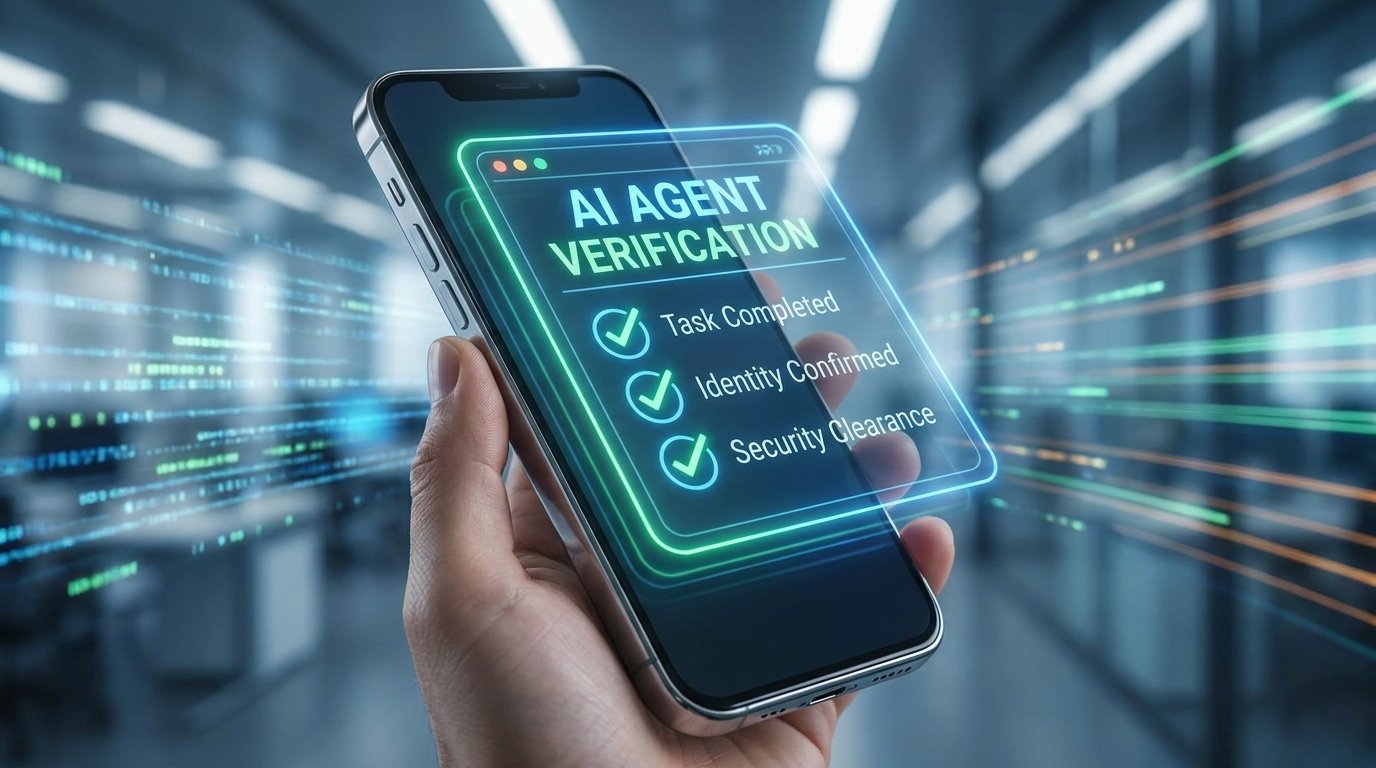
The phone harness problem is one of the biggest challenges facing AI phone agents today. When an AI agent claims to have completed a task on your phone, how do you verify that it actually did? This is particularly important for enterprise, accessibility, and professional use cases where trust and verification are critical.
Current AI phone agents can claim to complete tasks, but without proper verification, we cannot be sure they actually did what they said. For example, if an AI agent says it prepared a message to your colleague, how do you know it used the right contact, the right content, and the right app state before anything is sent? This is the phone harness challenge that researchers and product teams need to solve.
For FoneClaw, a phone harness is not only about whether an action finishes. It is also about whether the user can see the result, understand the required permission, complete any required setup, and confirm sensitive actions such as dialing, sending SMS, sending email, or deleting records before final execution.
How FoneClaw Solves the Verification Challenge
FoneClaw addresses the phone harness challenge by emphasizing visible phone results rather than hidden background claims. For supported actions, users should be able to understand what was requested, what permission or setup is needed, and what result happened on the phone.
This is different from presenting the assistant as an unlimited autonomous controller. FoneClaw's current product design highlights transparent permissions, setup requirements, and confirmation for sensitive actions. Email needs IMAP/SMTP configuration, navigation needs an installed map app, screenshot or photo auto-summary needs detection and overlay permissions, and some Android settings require additional authorization.
Based on our experience, this practical transparency is what sets FoneClaw apart in phone-harness discussions. While solutions like OpenAI AI Phone and Gemini on Android often focus on capability, FoneClaw focuses on capability plus verification: supported Android actions, visible results, and user control before sensitive execution.
OpenAI vs Gemini vs FoneClaw
The AI phone agent field in 2026 includes several approaches: hardware-native AI phone concepts, cloud assistants such as Gemini on Android, and Android-first phone assistants such as FoneClaw. Each approach solves a different part of the phone harness challenge.
OpenAI AI Phone focuses on creating an AI-native phone experience where AI may be deeply integrated into the device. This approach could offer tight integration, but it depends on new hardware, operating-system decisions, and ecosystem rules that users cannot fully inspect today.
Gemini on Android provides task assistance through Google's AI infrastructure. It can be strong when workflows stay within supported Google services, but users still need clear visibility into what was changed, which app or service was used, and whether a sensitive step was confirmed.
FoneClaw takes a practical Android-first approach. It supports Android 9+ and focuses on 120+ supported phone actions across 16 feature categories, with visible results and user control. That makes it different from a hardware-specific AI phone concept or a cloud assistant that may coordinate tasks without showing enough detail for verification.