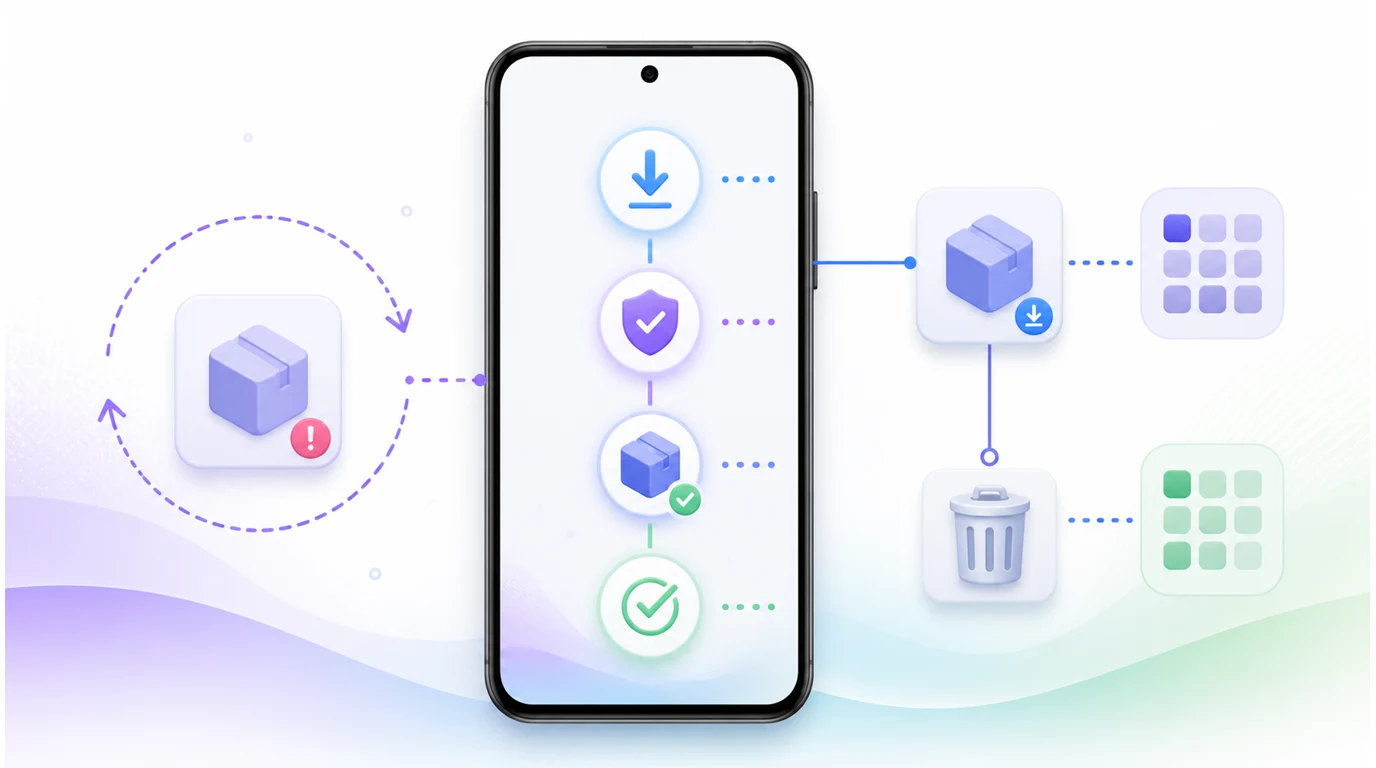
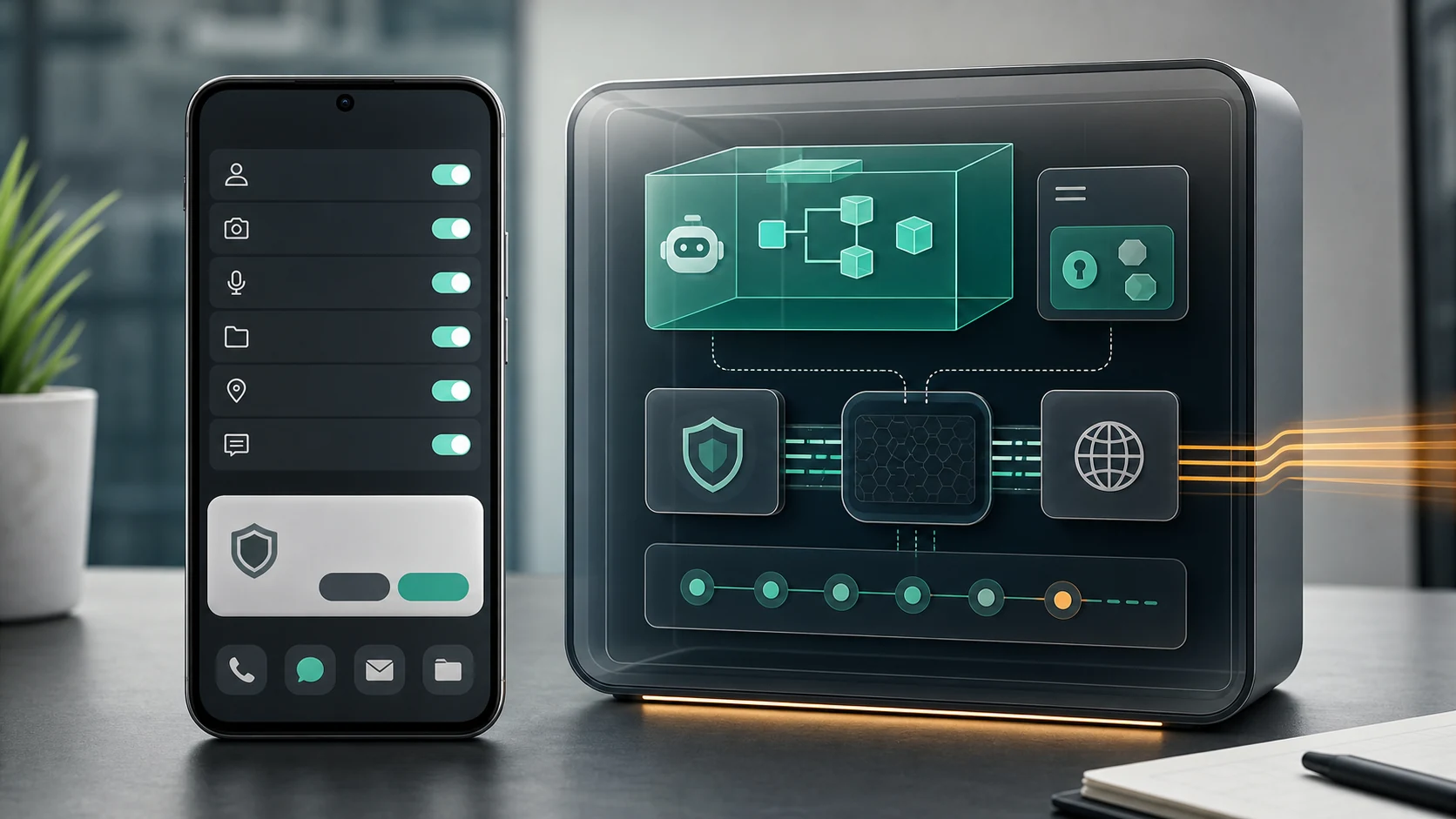
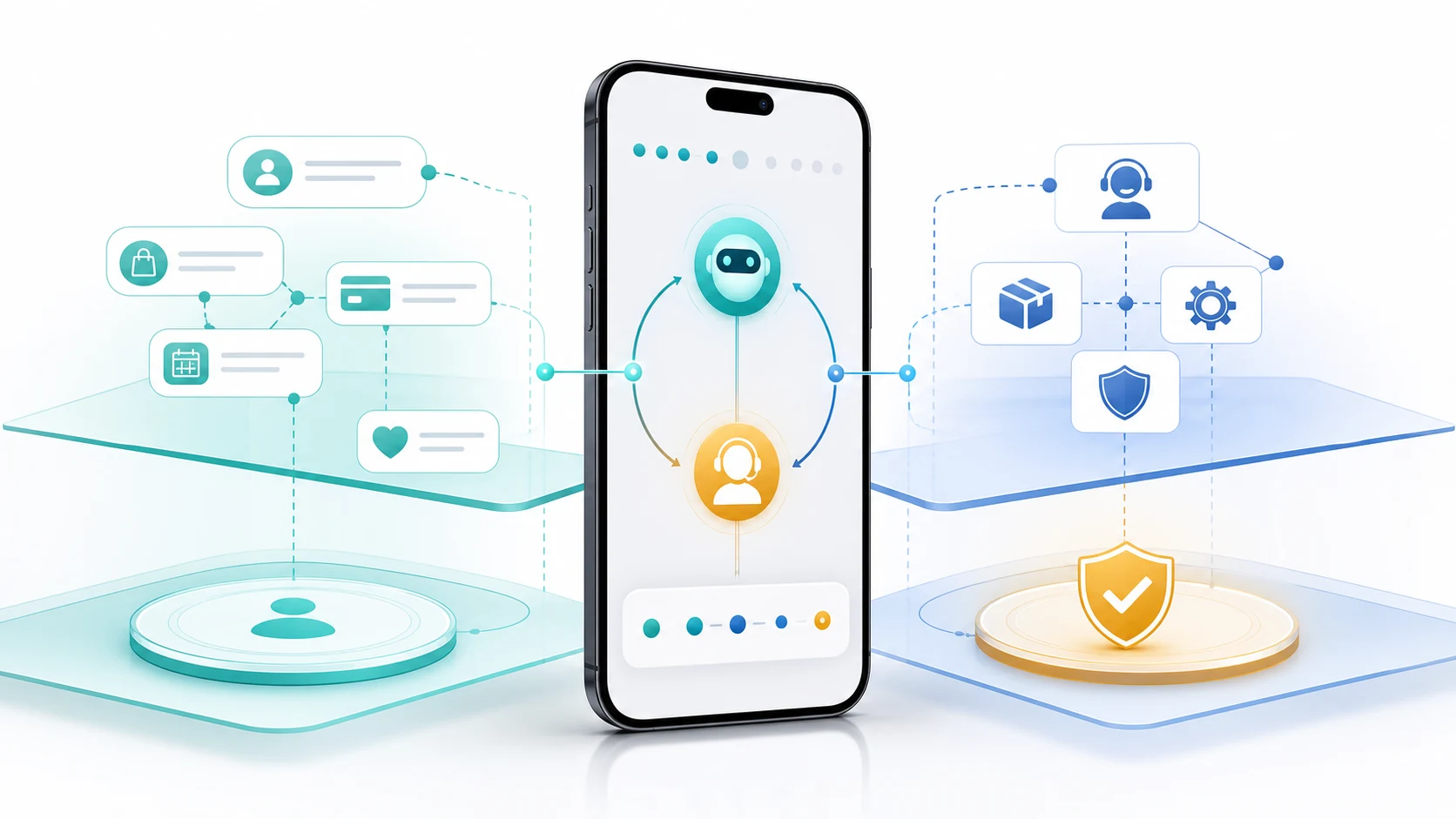
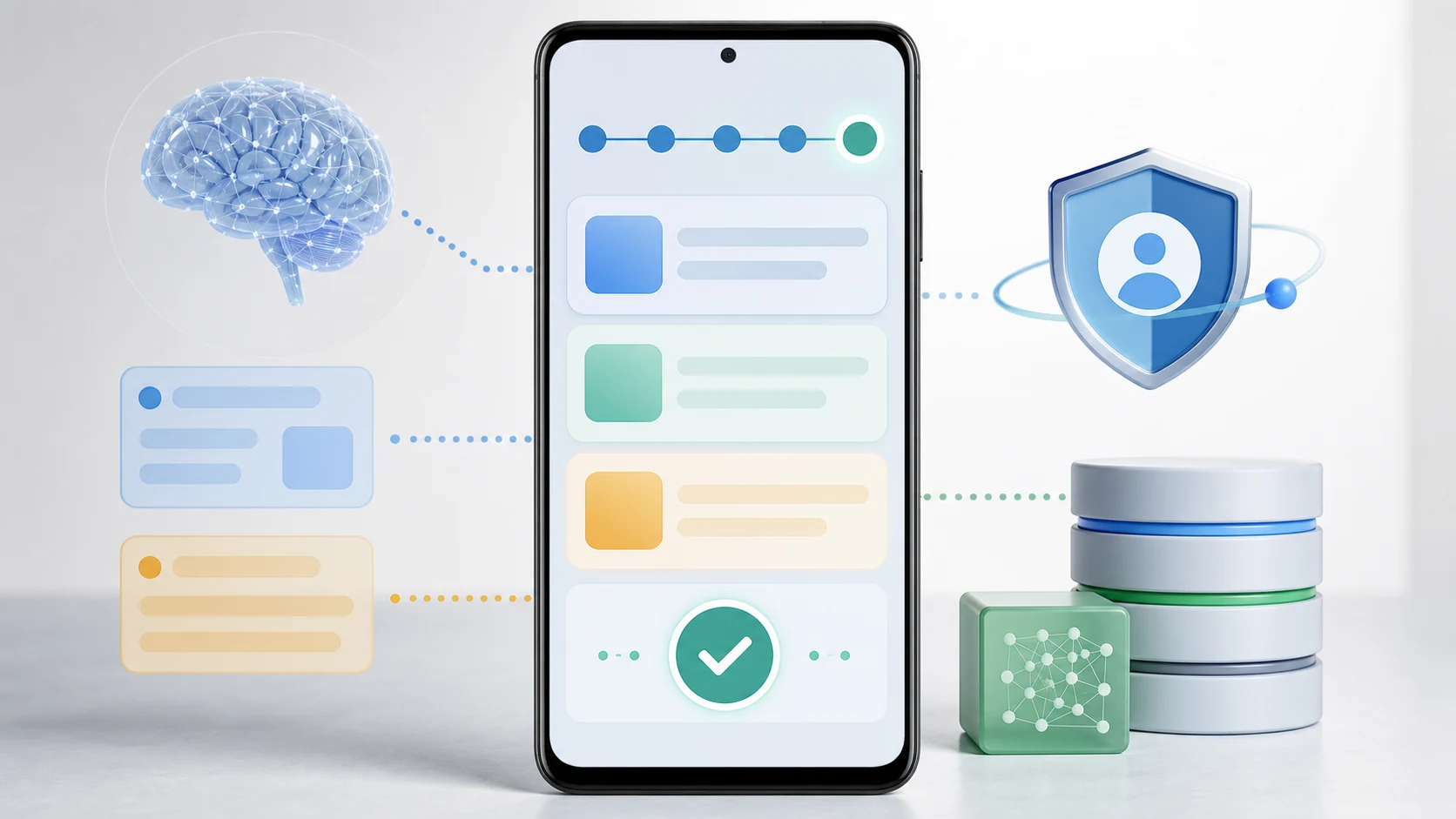
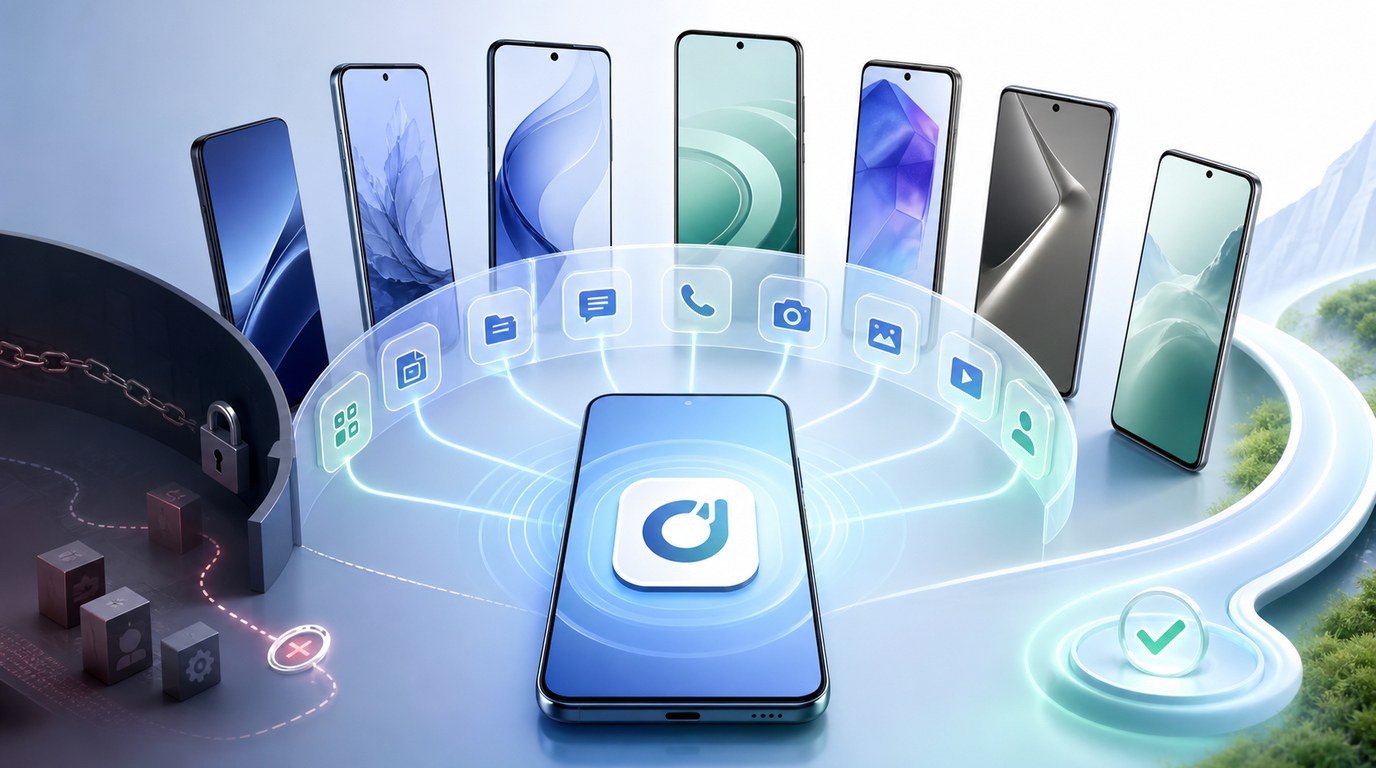
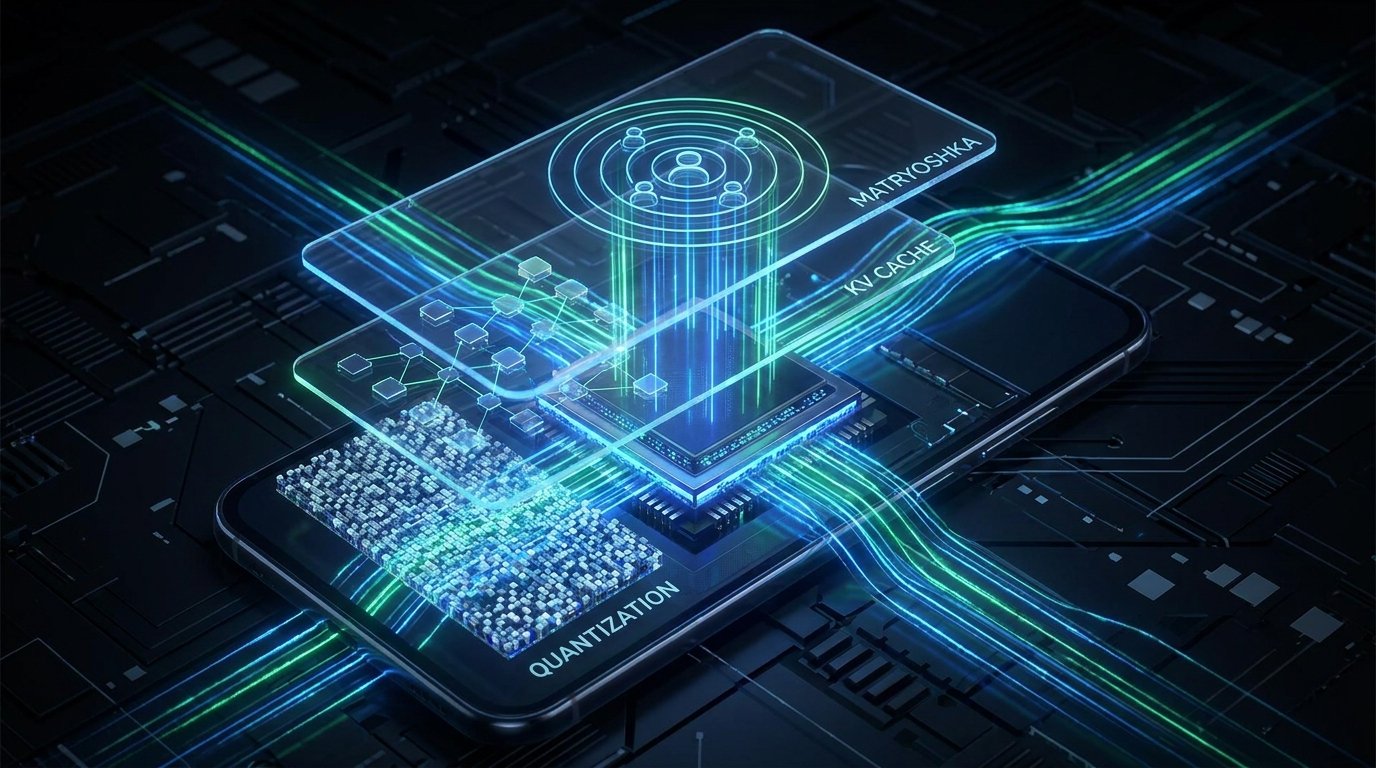
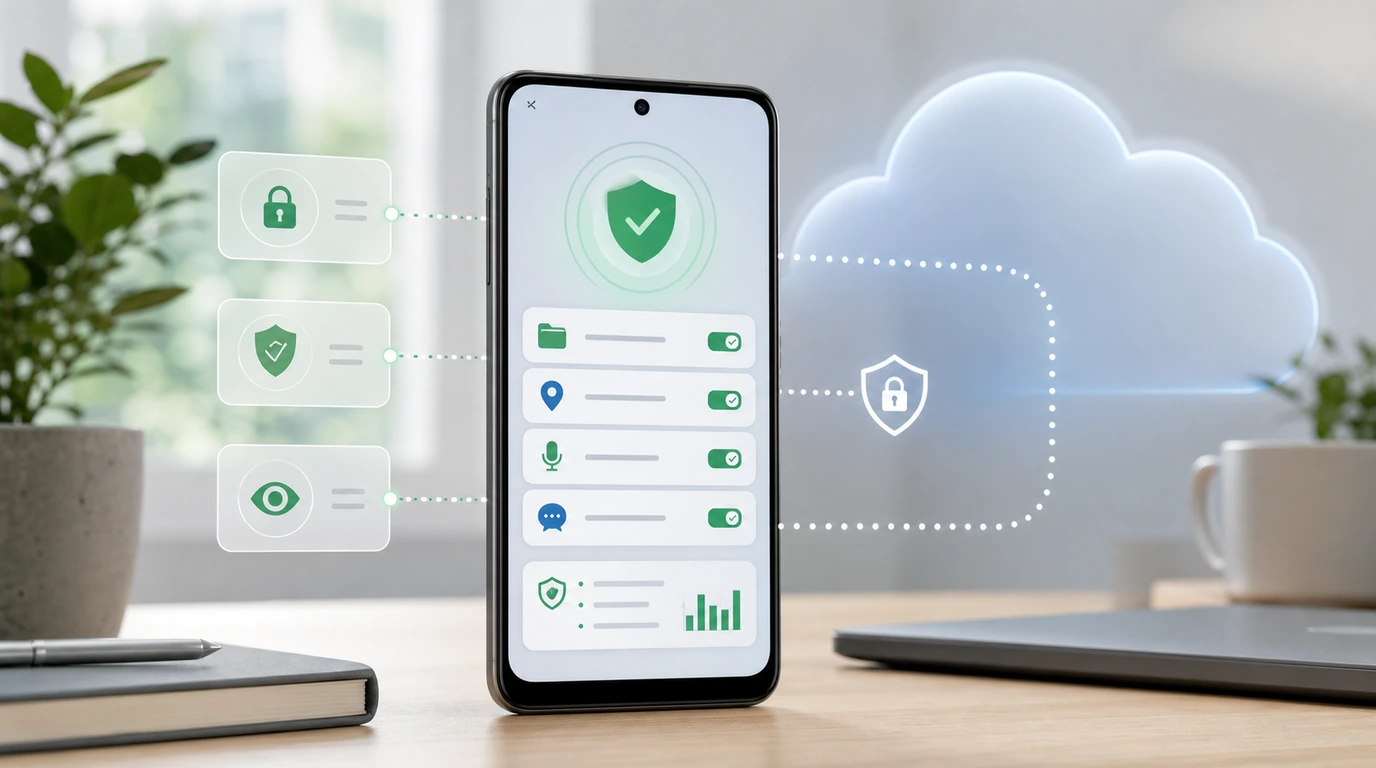
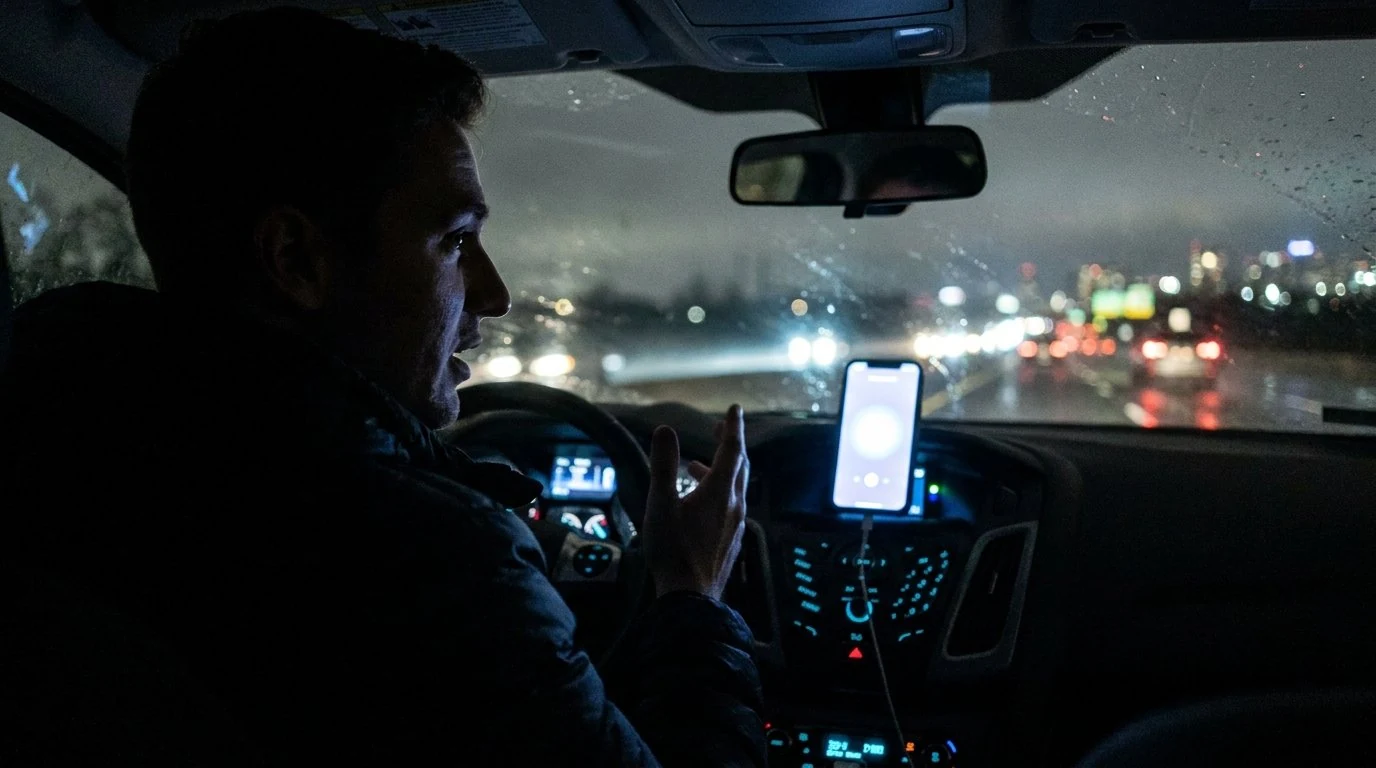
Stop an AI Agent on Android: Containment and Recovery Guide
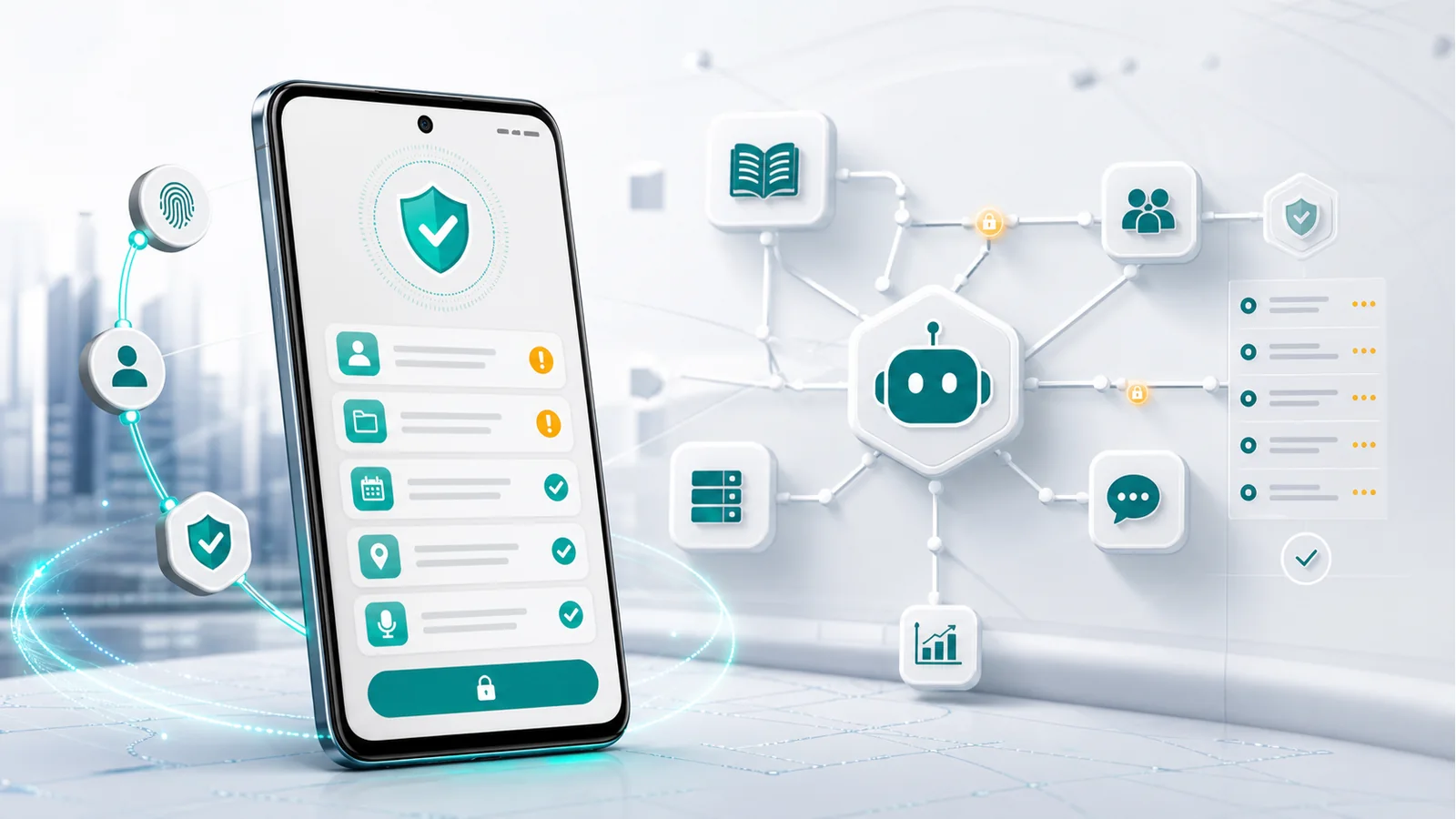
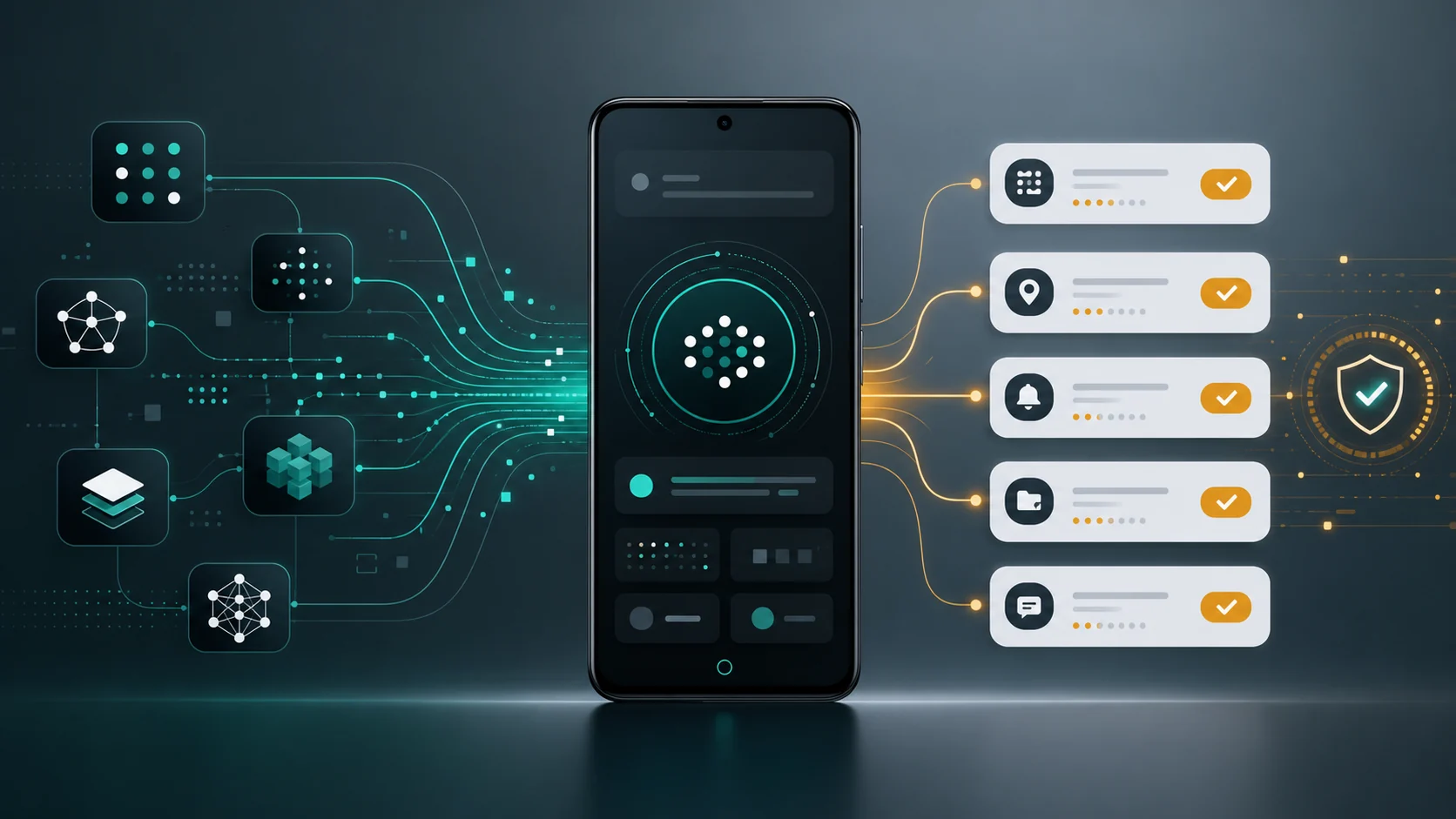
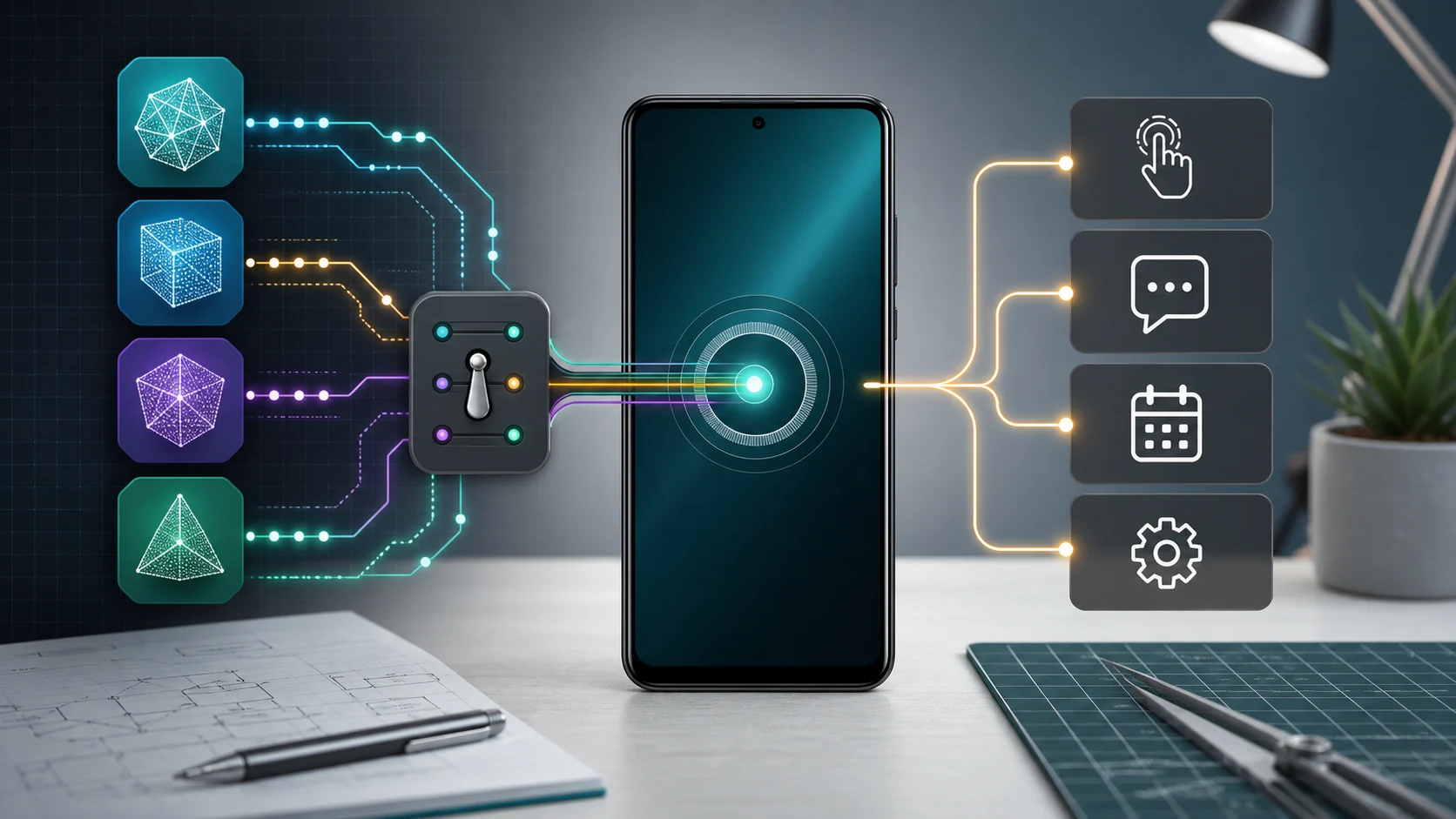
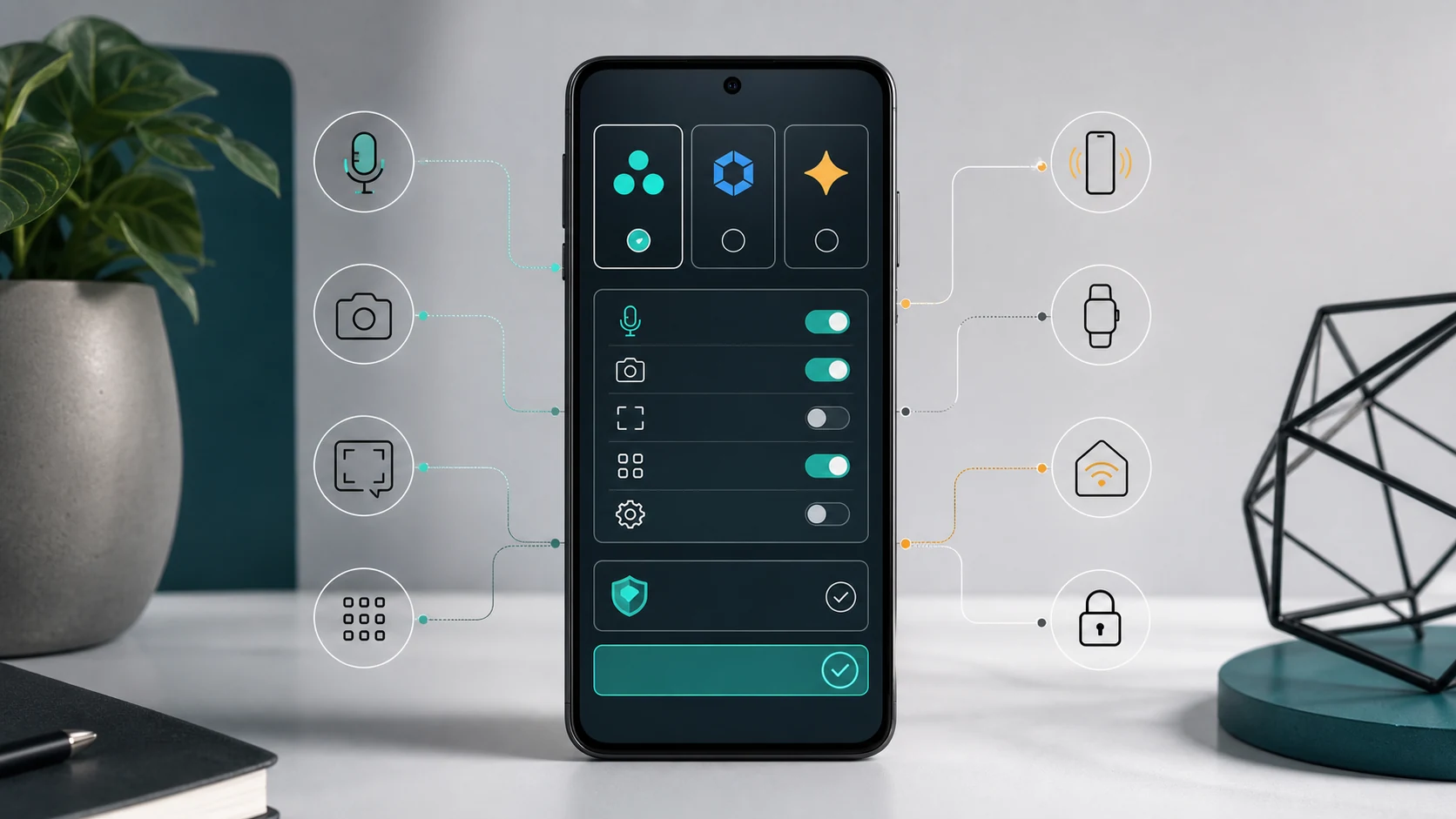
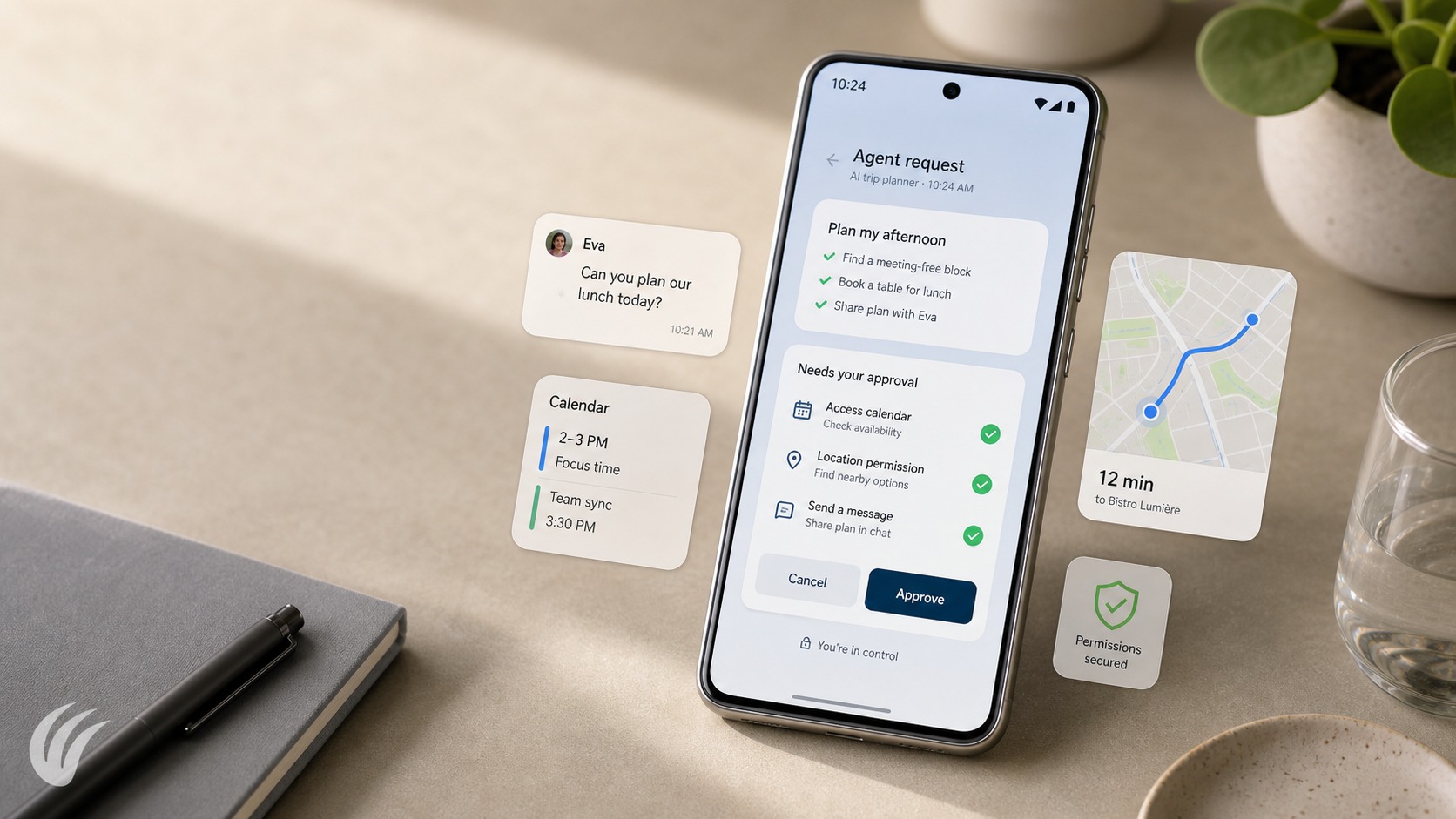
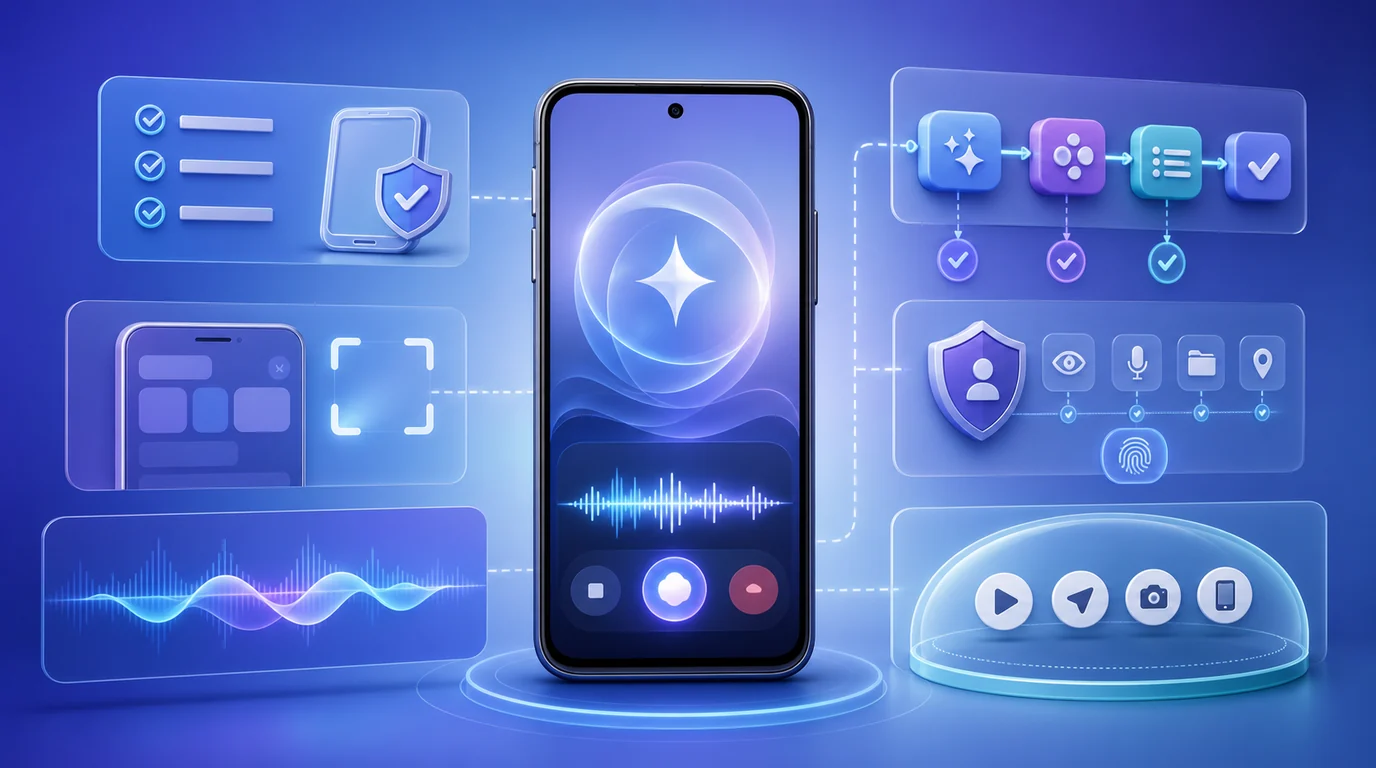
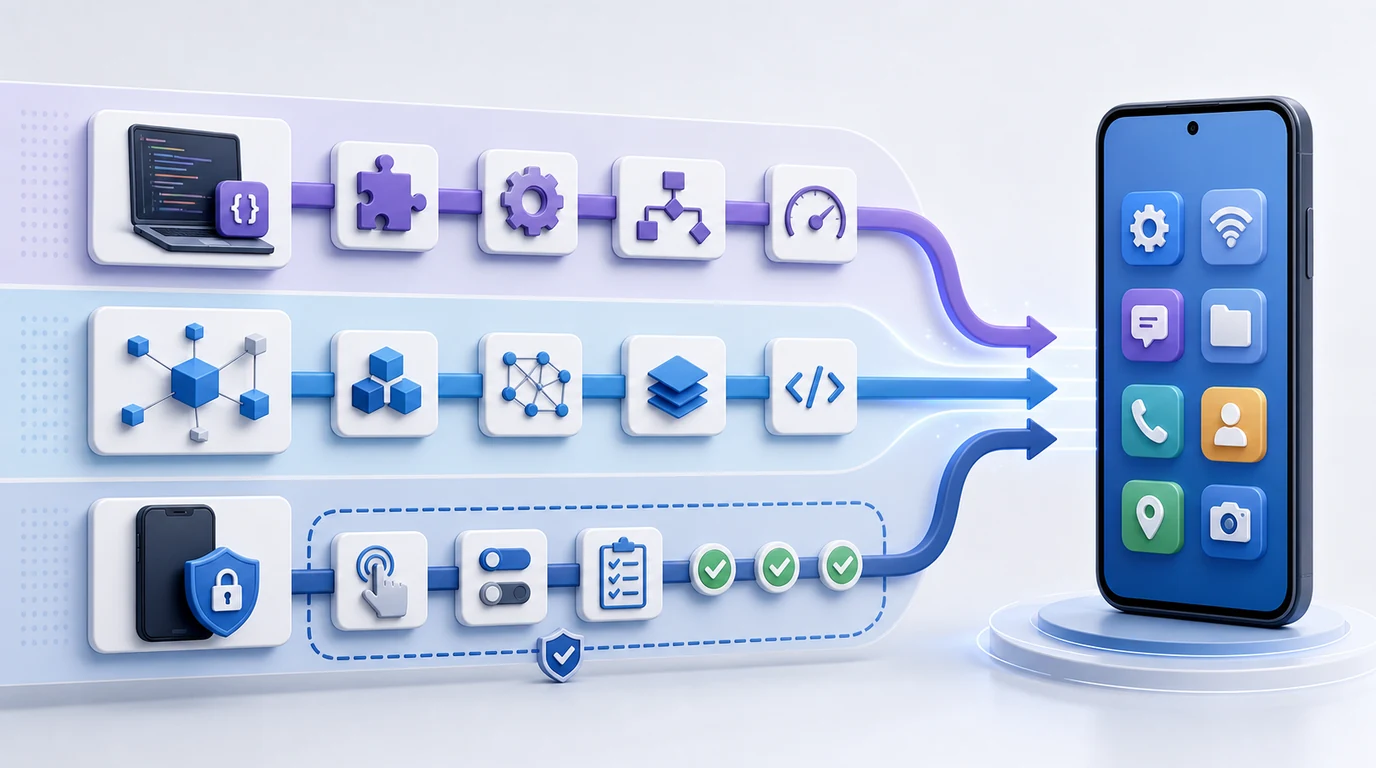
A calm Android incident runbook for stopping an AI agent, revoking permissions, preserving evidence, inspecting completed effects, and recovering safely.
Senior Android Engineer & FoneClaw Founder
Dean is building FoneClaw from an already usable Android phone agent toward a voice-first Agent OS and future FoneClaw phone.
Senior Android Engineer & FoneClaw Founder
Dean is a senior Android systems engineer with over 10 years of experience in mobile development. He has deep expertise in Android internals, system-level programming, and mobile automation.
Dean founded FoneClaw around the belief that phones should understand intent, maintain task context, use permissions and approvals clearly, perform supported actions, show results, and recover cleanly. The Android phone agent users can use today is the practical foundation for that belief, giving us a real product surface for improving invocation, context, control, and dependable task completion.
Dean's long-term direction is an AOSP-based FoneClaw Agent OS and future FoneClaw phone where voice comes first, physical buttons provide dependable control, and the screen focuses on evidence, choices, approvals, and recovery. The on-device personal agent manages identity, preferences, memory, and cross-service context, while Agent Plugins provide scoped professional service capabilities for real phone tasks.
164 Articles Published
A calm Android incident runbook for stopping an AI agent, revoking permissions, preserving evidence, inspecting completed effects, and recovering safely.
A practical guide to proactive phone AI, including triggers, permitted context, action levels, privacy controls, wearable handoff, and FoneClaw's visible Android path.
A practical runbook for phone agent debugging and recovery: stop failed tasks, capture evidence, classify root causes, repair permissions, retry safely, and use FoneClaw controls.
Choose between Google Play and a verified direct APK for an Android AI agent by checking publisher identity, signing, updates, Data safety, permissions, edition differences, and channel switching.
Evidence-layered analysis of HyperOS 4 launch status, Super XiaoAI 2.0, cross-device AI tasks, memory, and privacy controls, with rollout details kept separate.
See what sign language AI on phones can do now, why sign-to-text differs from speech transcription, and what accessible phone-agent design needs beyond voice.
Use a practical control ladder to turn off, limit, or opt into Android AI across Gemini activation, assistant roles, connected apps, permissions, activity, and FoneClaw.
Follow one Android request through capability ranking, AutoAttach, Suggest, Fallback, discovery, activation, approval, execution, and recovery in FoneClaw.
Learn how safe AI-assisted Android app installation works through Google Play, with exact package identity, stop conditions, Play Protect limits, permission review, and FoneClaw’s guarded workflow.
Map current Gemini Wear OS watch actions, Wear OS 7 Gemini Intelligence announcements, paired-phone limits, setup checks, and a governed FoneClaw handoff design.
Compare PokeClaw vs FoneClaw by local model inference, Android action execution, permissions, approvals, hardware cost, and a reversible first test.
Understand China’s GB/Z 177-2026 AI phone L1-L4 intelligence levels, what they do not certify, and how to run a practical phone test.
A practical phone security guide to AI agent memory poisoning, hidden Ask AI prompt paths, saved memory audits, provenance, and recovery.
A practical Android guide to multi-conversation AI agent task queues, state isolation, session-bound approvals, ordered actions, and recovery.
Dean and the FoneClaw product team explain the difference between Tools, Plugins, Skills, Workflows, and Shortcuts, how they compose, and how to choose the right capability layer for Android phone-agent tasks.
Dean and the FoneClaw product team explain how to benchmark an Android phone agent in 2026 with task success, side effects, approvals, permissions, recovery, traces, and repeatable mobile-agent test suites.
Dean and the FoneClaw product team explain MCP 2026-07-28 stateless transport, explicit state handles, Tasks, MRTR, approvals, and the stateful Android phone-agent layer reliable workflows still need.
Dean and the FoneClaw product team explain what SeedRealtime and Seeduplex change for real-time voice agents, why Android execution needs governed tools, and how FoneClaw currently handles task state, approvals, permissions, and recovery.
Use the FoneClaw File Manager Plugin for structured Android file operations with verified installation, scoped paths, previews, approvals, and visible results.
Learn how an Android floating AI assistant can use deliberately attached screen context, propose supported phone actions, request approval, and recover cleanly.
Design AI agent approval UX for phones with clear proposals, confidence-based review, concise reasons, task-bound decisions, visible consequences, and practical recovery.

Compare MCP phone calling services with FoneClaw's governed Android dialer workflow: cloud service numbers, ACTION_DIAL, contact lookup, approvals, permissions, and visible call initiation.
Configure FoneClaw with the free default model or a compatible AI model API, understand API Base URL, API Key, and model ID, then verify one governed Android phone action safely.
Use FoneClaw to run a practical Android phone health and permission audit: check battery, memory, storage, network state, sensitive permissions, special access, hidden-app signals, and next steps without treating heuristics as antivirus verdicts.
Compare Gmail Gemini, Outlook Copilot, and FoneClaw email workflows on Android: summarize selected mail, draft replies, confirm sends or deletion, and turn email into calendar follow-up.
A practical guide to HONOR Agentic OS and Robot Phone status, including the MWC preview, WAIC demos, China reservations, roadmap boundaries, and how embodied hardware differs from a software Android phone agent.
A practical walkthrough for free FoneClaw and the completely free local YouTube downloader plugin on Android: share or paste a YouTube URL, inspect formats, approve the download, track jobId status, cancel when needed, and verify 360p MediaStore delivery. The plugin does not upload the YouTube URL to FoneClaw services.
The July 25 report says Livis AI glasses added a direct connection to a personal OpenClaw terminal. Here is how to separate glasses input, agent runtime, phone actions, permissions, confirmation, and recovery.
Agentic Resource Discovery helps agents find tools, skills, and agents through catalogs and registries, but phone agents still need separate verification, permissions, approval, and revocation before Android actions run.
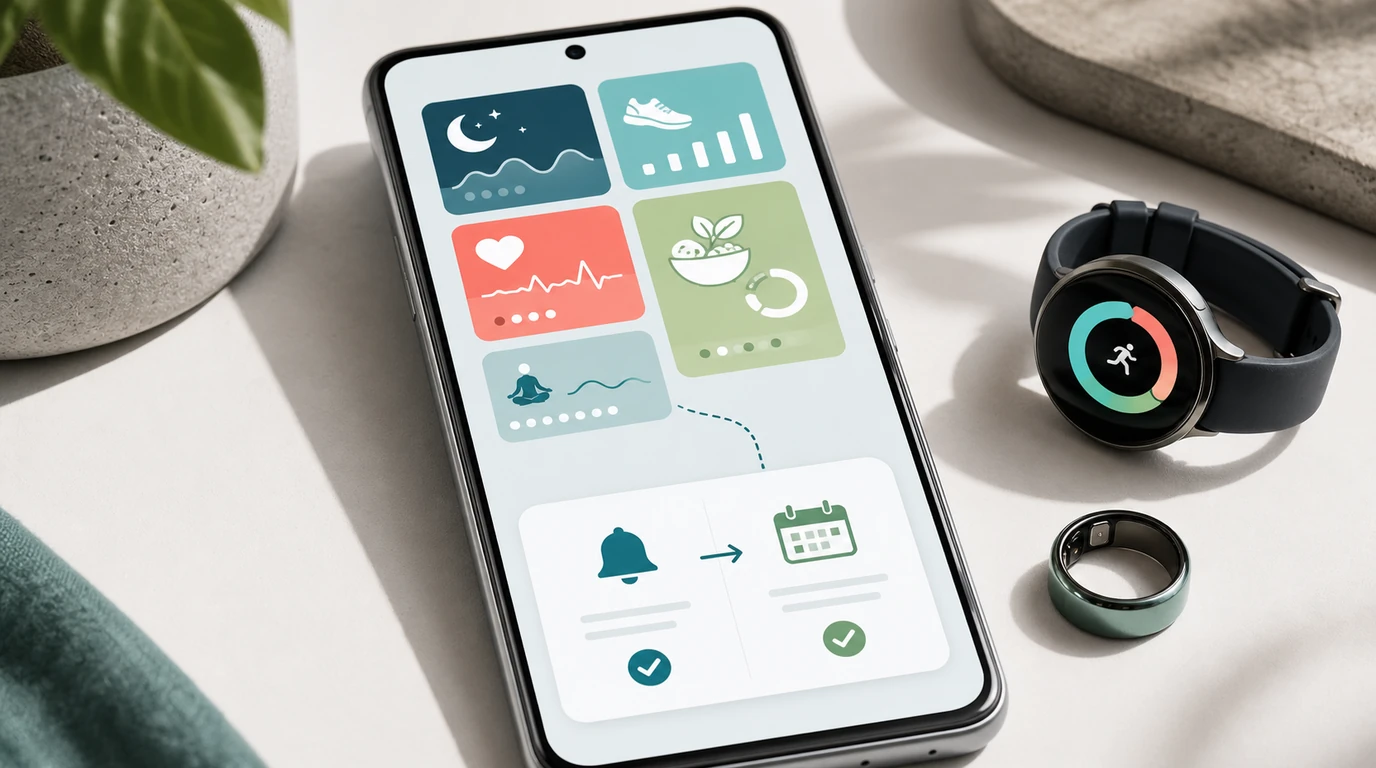
Learn how Samsung Health Assistant turns wellness data into insights and how user-approved next steps can become confirmed Android actions.
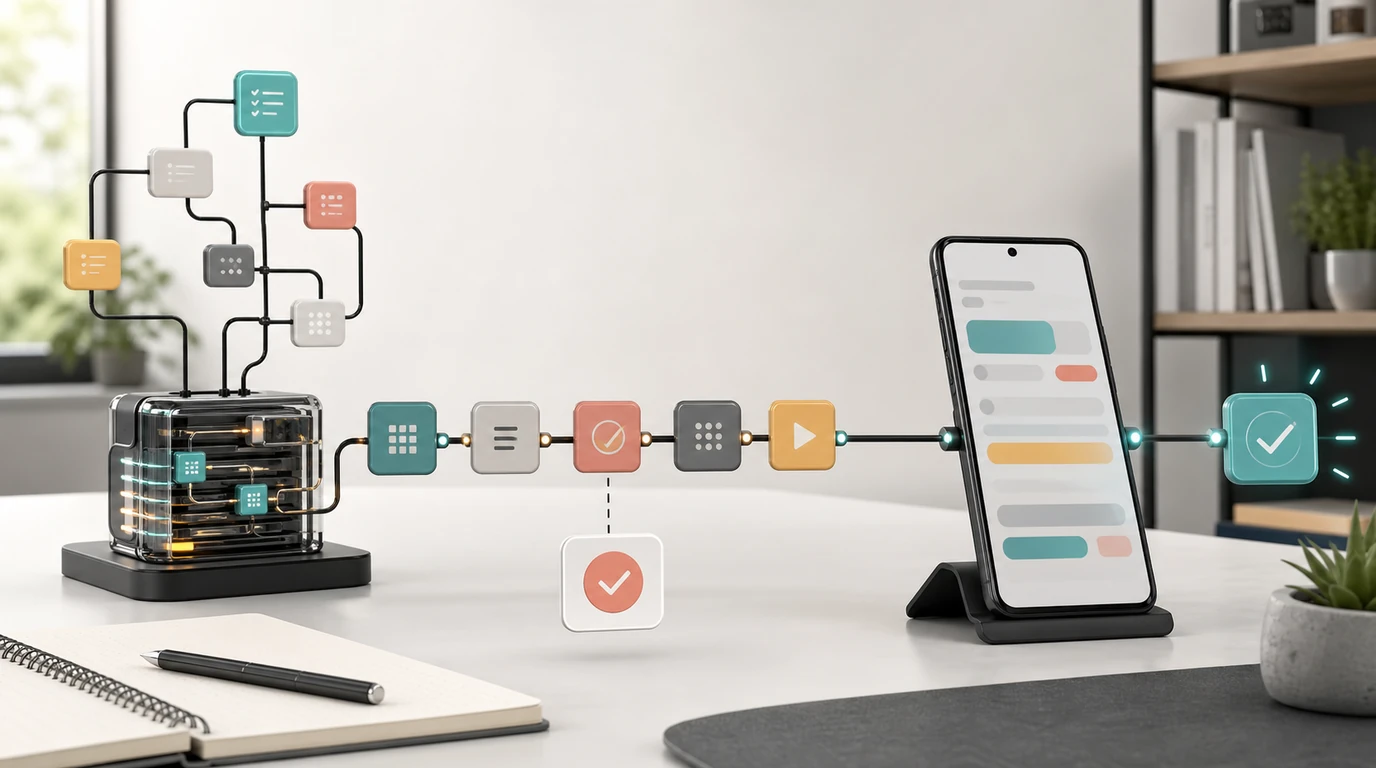
Learn how a self-improving phone agent turns execution evidence into tested, versioned skill and harness updates with approval and rollback.
Learn where Claude Opus 5 improves Android phone-agent reasoning, planning, and verification, and how FoneClaw turns that model output into supported phone actions.
Compare Airtap and FoneClaw by message entry, cloud or personal-device use, configured models, routines, permissions, confirmation, visibility, and recovery.
Learn how a demonstrated Android workflow can become a reusable phone-agent skill through clean capture, rule extraction, testing, permissions, and confirmation.
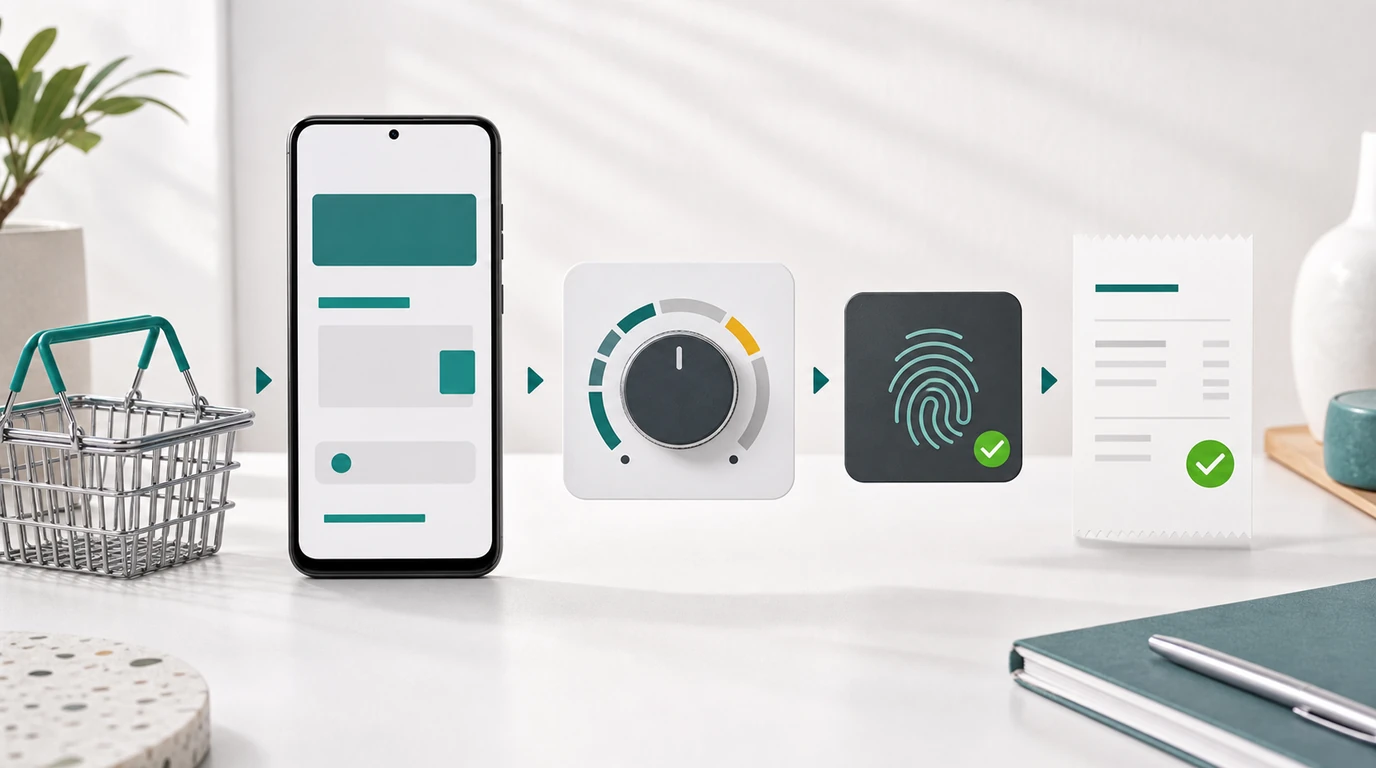
Learn how AI agent payments on Android connect user intent, spending limits, checkout, device authentication, confirmation, receipts, and recovery.
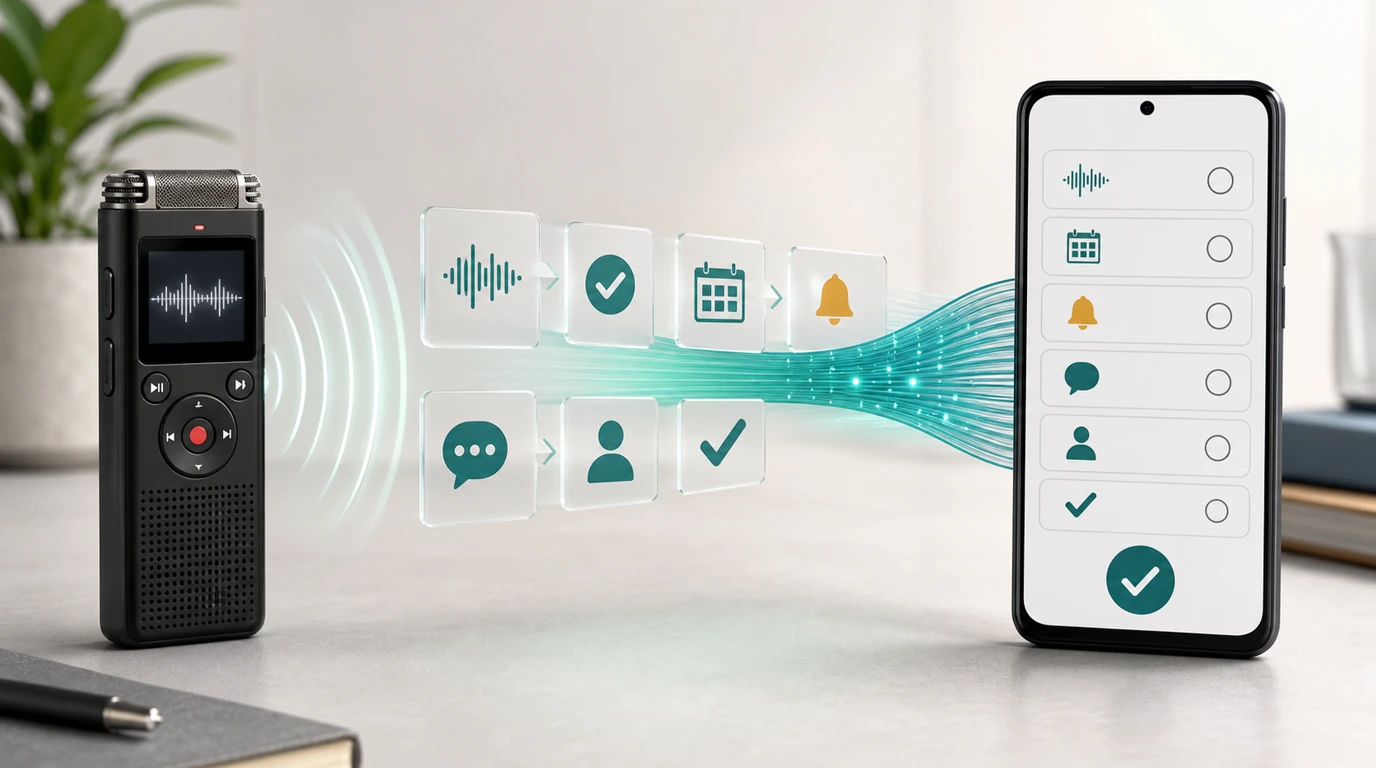
See how recorder transcripts and action items can inform reminders, messages, calls, and other confirmed Android actions through a phone agent.
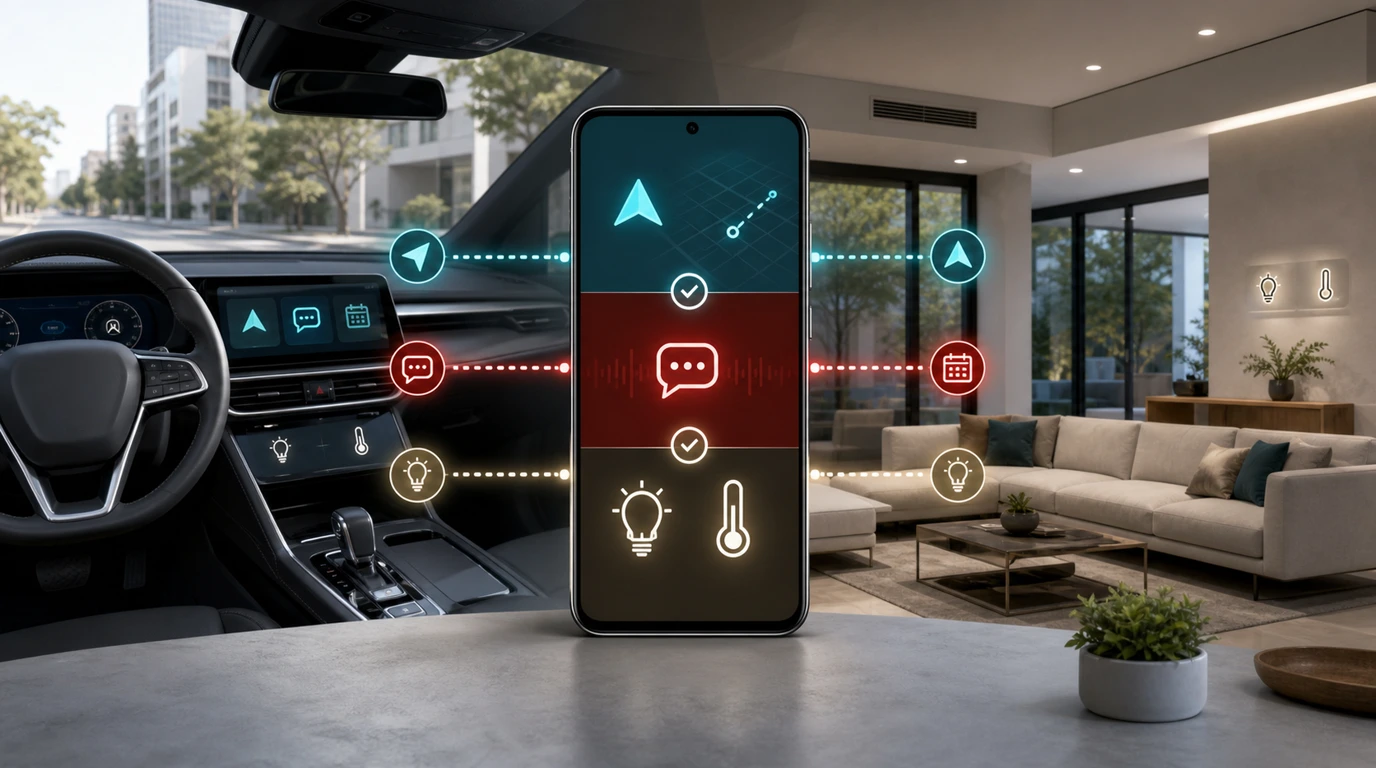
Map how Tesla, Rivian, Xiaomi, and FoneClaw divide conversation, navigation, vehicle controls, Android phone actions, and smart-home tasks.
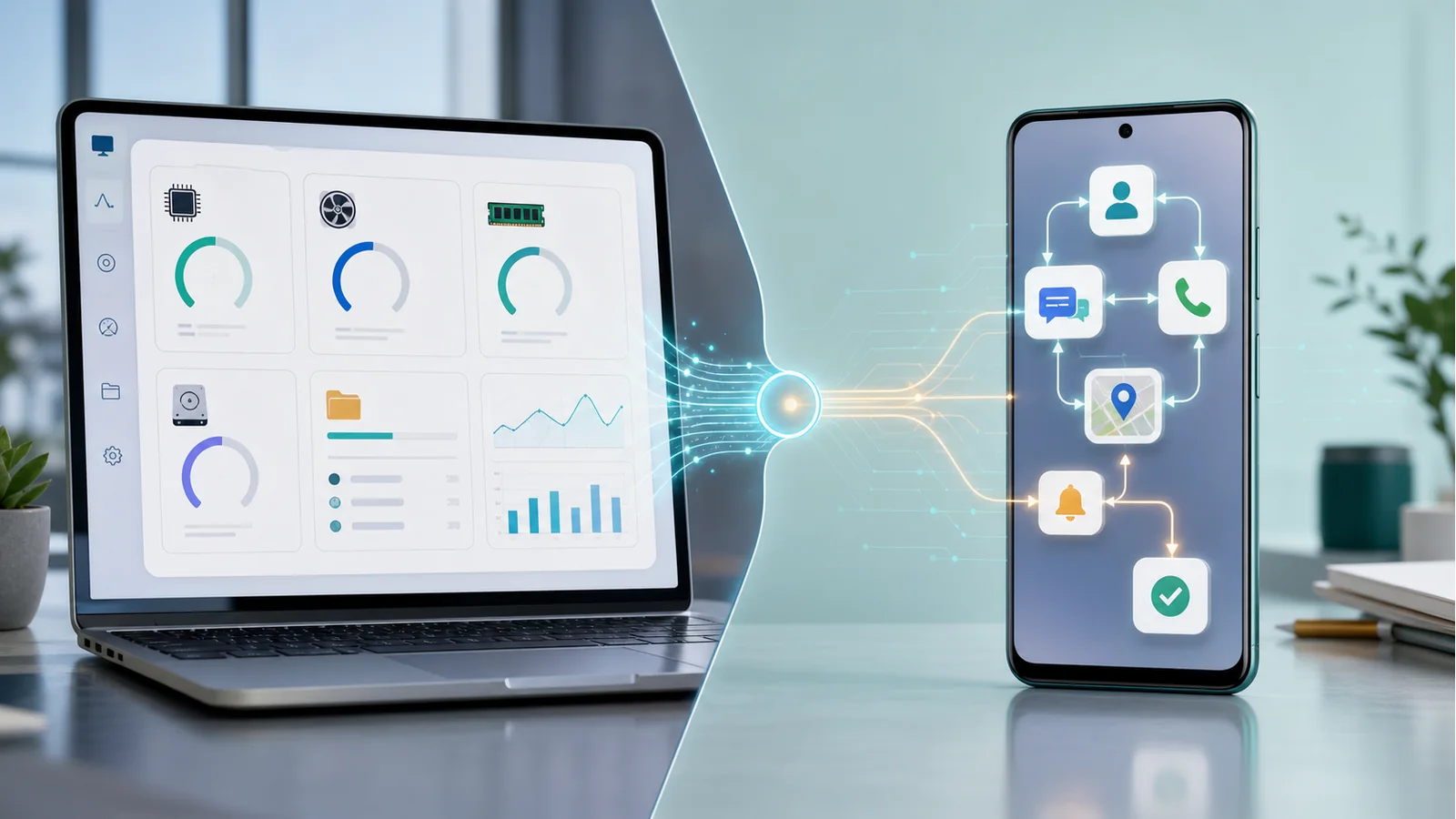
Compare Windows Copilot PC Insights with Android phone agents, and learn when desktop diagnostics, mobile identity, notifications, calls, and FoneClaw workflows fit best.
Baidu Dazi shows how enterprise agents define task delegation, permissions, and governance. Here is what that means for Android phone agents and FoneClaw workflows.
Tencent Hunyuan Hy3 improves agent reasoning, coding, office, and API distribution, but Android phone-agent workflows still need permissions, visible actions, and user confirmation.
Choose AI models for Android phone agents by reliability, latency, cost, context, privacy, fallback behavior, and real FoneClaw action evidence instead of one static winner.
Understand the EU Android AI interoperability decision, rival assistant access, consent requirements, rollout timing, and what it means for permission-aware phone agents like FoneClaw.
Use Perplexity SPACE as the market signal to understand why secure agent runtimes help, and why Android phone actions still need permissions, visible steps, and user confirmation.
How OPPO Xiaobu and Alipay Abao show a phone-agent pattern where intent, service work, authorization, and payment confirmation are separated.
Why the Nubia and Doubao NaviX Ultra signal matters for consumer Agent phones, visible phone actions, memory, confirmation, and trust.
FoneClaw's Android decision guide for users who need supported phone actions beyond a Xiaomi-only path across Samsung, OPPO, vivo, OnePlus, realme, Pixel, and more.
Learn where Gemini-style background agents help, where phone actions need visible confirmation, and how to assess Android AI agent permissions before acting.
Why AI phones matter for practical agents: context, permissions, hardware, app handoff, and visible confirmation on everyday phone actions.
A practical guide to AI agent identity, scoped permissions, per-tool approval controls, audit trails, revocation, and FoneClaw's governed Android action model.
What StepFun announced for STEPX Neo, Step AOS, and Amoo, how its protocol-connected stack works, and which specifications and release details remain unknown.
Does Claude Cowork work on Android? Get the practical answer, see how Cowork differs from Claude mobile chat, and learn where FoneClaw fits for governed Android actions.
What the JADEPUFFER agentic ransomware reports and mobile GUI-agent research teach about scoped permissions, trusted inputs, confirmation, logs, and recovery.
A voice-first AI phone does not remove buttons or screens. It changes the priority: voice states the goal, buttons confirm control, and screens review complex work.
Can an AI device replace a smartphone? Compare dedicated AI devices, AI phones, AI wearables, and Android phone agents by current evidence, daily jobs, permissions, recovery, and buyer readiness.
AI agent skill security cannot stop at static scans. Learn how malicious skills, scanner evasion, runtime permission checks, and phone-agent safeguards fit together.
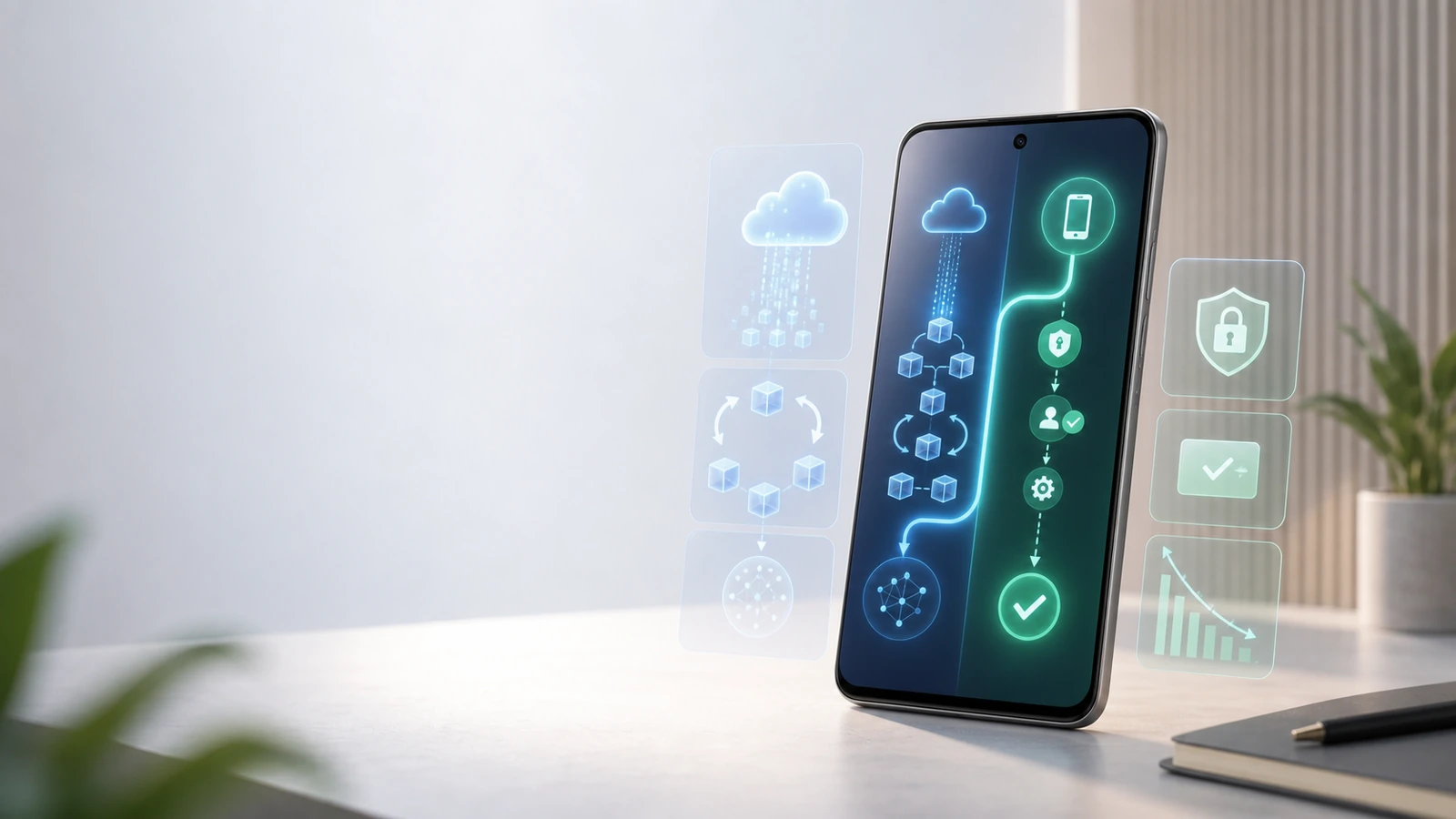
Learn how secure cross-device AI agent handoff preserves task identity, execution ownership, approvals, freshness, recovery, and user control across devices.
Meta-style topic insights are useful, but AI agent parental controls also need permission logs, consent checkpoints, visible task state, and reviewable action history.
See what the Nokia 210 4G and Nokia 200 4G AI assistants can do, how to activate them, and how they differ from an Android phone agent.
What Microsoft Aion was, whether it shipped, and how the reported Copilot OS prototype differs from Foundry agents, Voice Live, and GitHub Mobile cloud-agent tasks.
Why AI agents feel slower than chatbots, what causes phone agent latency, and how FoneClaw improves Android response time with governed tools, permissions, approvals, and recovery.
Gemini 3 can make Android AI agents better at understanding, planning, and tool use, but phone control still depends on permissions, app interfaces, and confirmed execution.
What Android Halo is, when Google says it will arrive, what its status bar can show, and why visibility does not grant an AI agent phone permissions.
Mobile agent control is moving AI agent work from the desktop into phone workflows. Learn how approval loops, permissions, cloud agents, and Android phone agents fit together.
FoneClaw's canonical product vision connects the currently available Android phone agent with an AOSP-based FoneClaw Agent OS, Agent Plugins, on-device personal context, and a future FoneClaw phone.
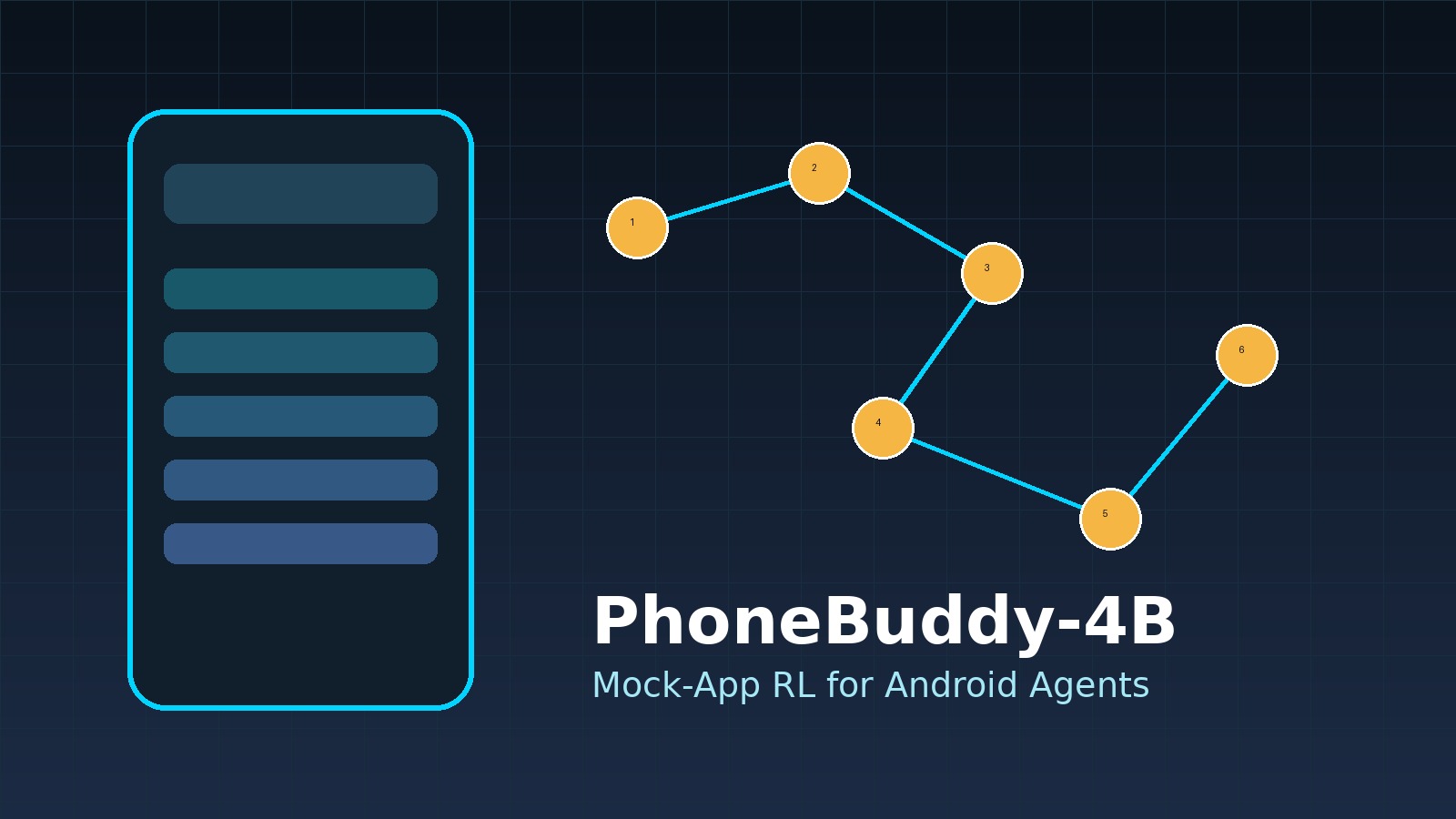
PhoneBuddy-4B shows why Android agents need real-app practice, mock-app reinforcement learning, visible verification, and clear product guardrails before phone automation can be trusted.
Apple, Google, Huawei, and Xiaomi are each designing custom smartphone silicon to run on-device AI. Here is why that arms race matters for AI phone agents, privacy, and the future of hands-free phone control.
Check whether Grok can answer calls, become the Android default assistant, place calls, use Voice Mode, or power governed Android actions inside FoneClaw.
Can DeepSeek directly control an Android phone? Learn where DeepSeek reasoning ends, what an Android execution layer needs, and how FoneClaw approaches safe supported phone actions.
Compare Comet on Android with FoneClaw by task: browser research, web automation, Android app actions, permissions, visible review, and staged phone workflows.
Compare AI writing assistants on Android, including Grammarly and QuillBot, and learn when the bigger bottleneck is writing workflow execution across messages, docs, and apps.
A practical guide to using AI voice translators for Android calls, plus the hands-free phone control workflows around calls, messages, contacts, and confirmations.
How multi-agent systems can improve code security review when roles, evidence, containment, reviewer independence, and human merge authority are explicit.
AI shopping agents need more than chat: product search, cart actions, payment approval, refund handling, and phone-side controls users can trust.
What MiMo UltraSpeed and 1000 TPS LLMs prove about fast inference, long AI-agent tasks, and why FoneClaw still needs supported Android actions.
What Tencent has confirmed about WeChat AI agents, Mini Program skills, AgentOps infrastructure, payments, permissions, and Android phone actions.
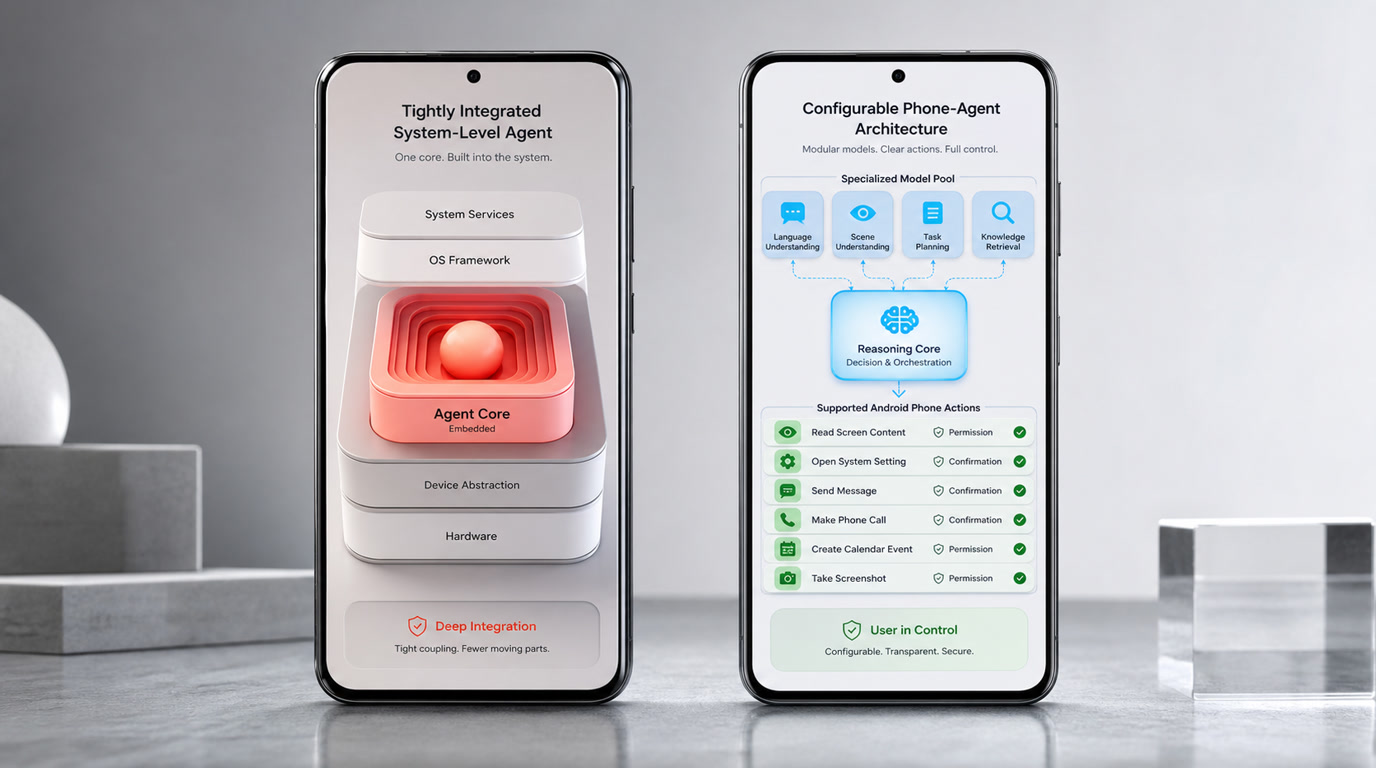
A practical phone AI agent needs more than a model. The OS agent foundation requires an agent runtime, permissioned app interfaces, and a visible trust surface.
A practical guide to on-device LLM optimization for phone agents: latency, local inference, AICore, LiteRT-LM, battery, privacy, and FoneClaw-supported Android actions.
AI agents will not kill app stores overnight, but they can change discovery, user intent, and how developers expose reliable phone actions.
OS agents may become the first intent layer on phones, but apps still win when they provide trusted data, services, content, and machine-callable actions.
Apple Intelligence pricing in 2026 explained: what is free, where daily limits apply, how iCloud+ increased access works, what Family Sharing confirms, and what Siri pricing remains unannounced.
What Microsoft Scout and OpenClaw-style agent news means for enterprise AI agents, Android phone actions, and FoneClaw's supported mobile route.
Learn how App Intents, Android App Functions, and machine-callable app actions help AI agents execute tasks, and where FoneClaw fits on Android.
A practical guide to AI agent trust, cloud security limits, and why local Android phone control can make approvals, records, and privacy easier to understand.
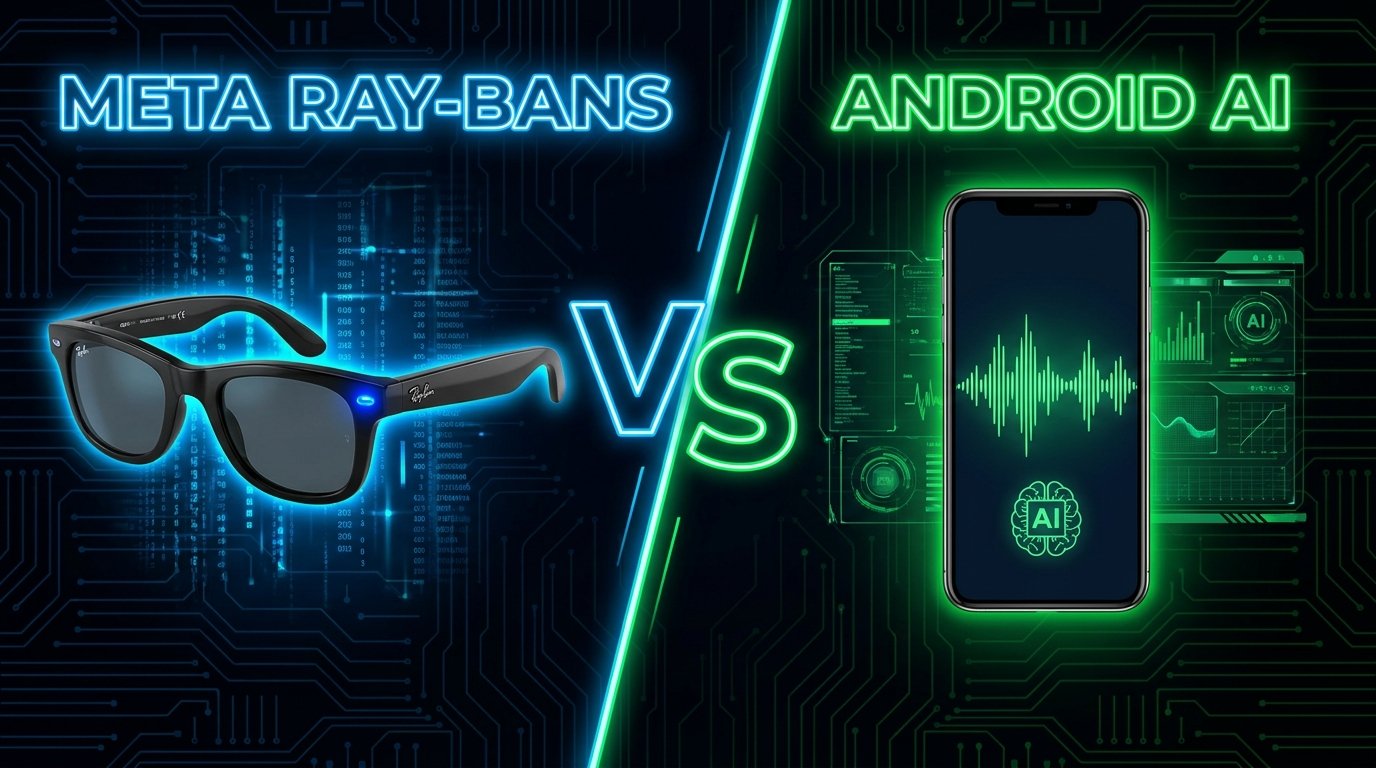
Compare Meta Ray-Ban AI glasses with FoneClaw by category fit: wearable capture and context versus voice-first Android task execution.
A practical cost guide to AI agent token usage, hidden cloud retries, phone-task execution waste, and where local Android agents can reduce total cost.
What Siri AI App Intents mean for phone agents, Android automation, and FoneClaw’s approach to visible, permission-based phone actions.
Learn what personal context means for a phone AI agent, which Android signals matter, how context becomes action, and how to test it safely.
A post-event guide to Microsoft Build 2026 AI agents: Agent Platform, Copilot Studio, Foundry, Agent Framework, identity, observability, governance, and what the production-agent shift means for Android phone agents.
How AI assistants compress brand discovery, what trust signals matter, and why phone agents need supported Android action boundaries.
Compare Gemini Spark and FoneClaw by task: cloud schedules, skills, Connected Apps, Android phone actions, model configuration, approvals, availability, and recovery.
Learn how enterprise AI agent security changes when agents can act on phones, and how local-first execution, permissions, approvals, and audit logs reduce risk without replacing governance.
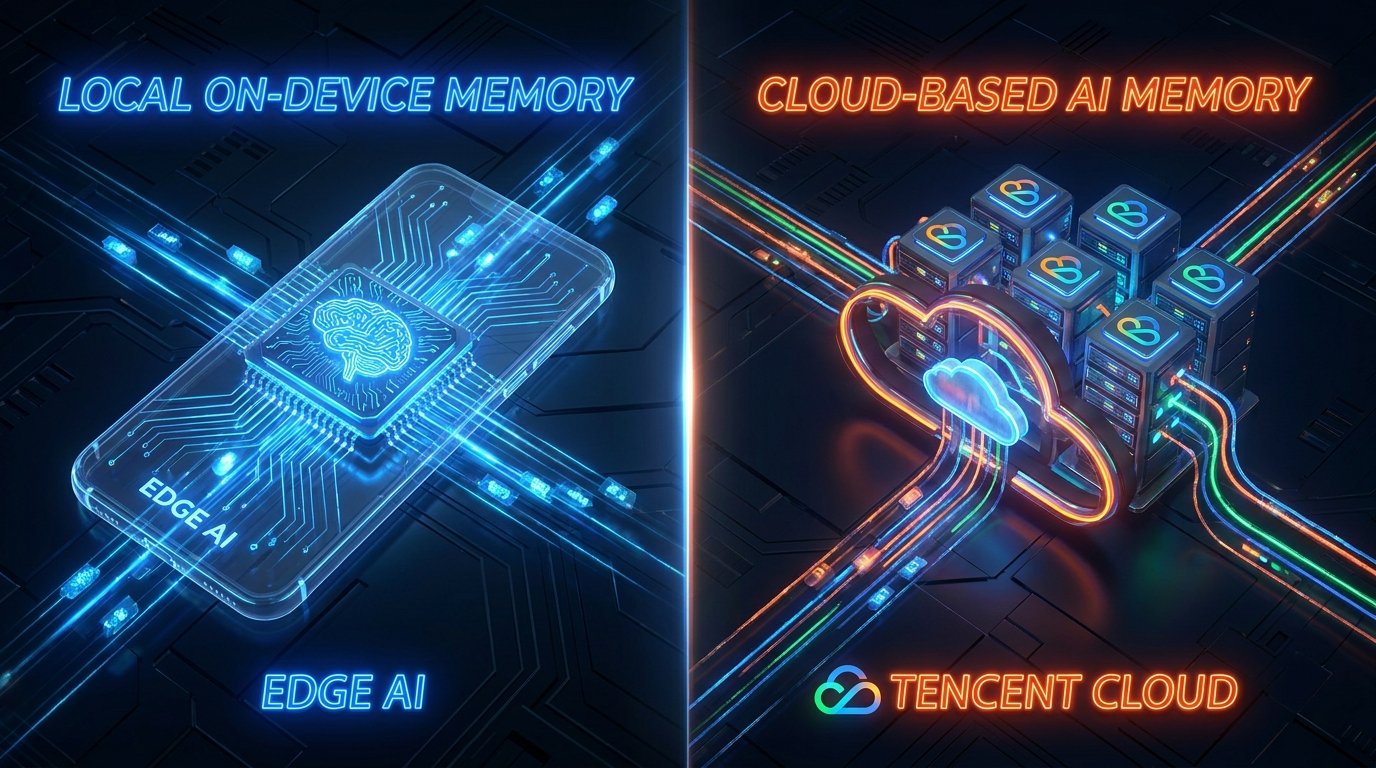
Hy-Memory and local agent memory solve different problems. Learn what hy_memory_daemon.sh style queries mean, how Tencent-style agent memory compares with local phone memory, and why FoneClaw keeps phone context on Android.
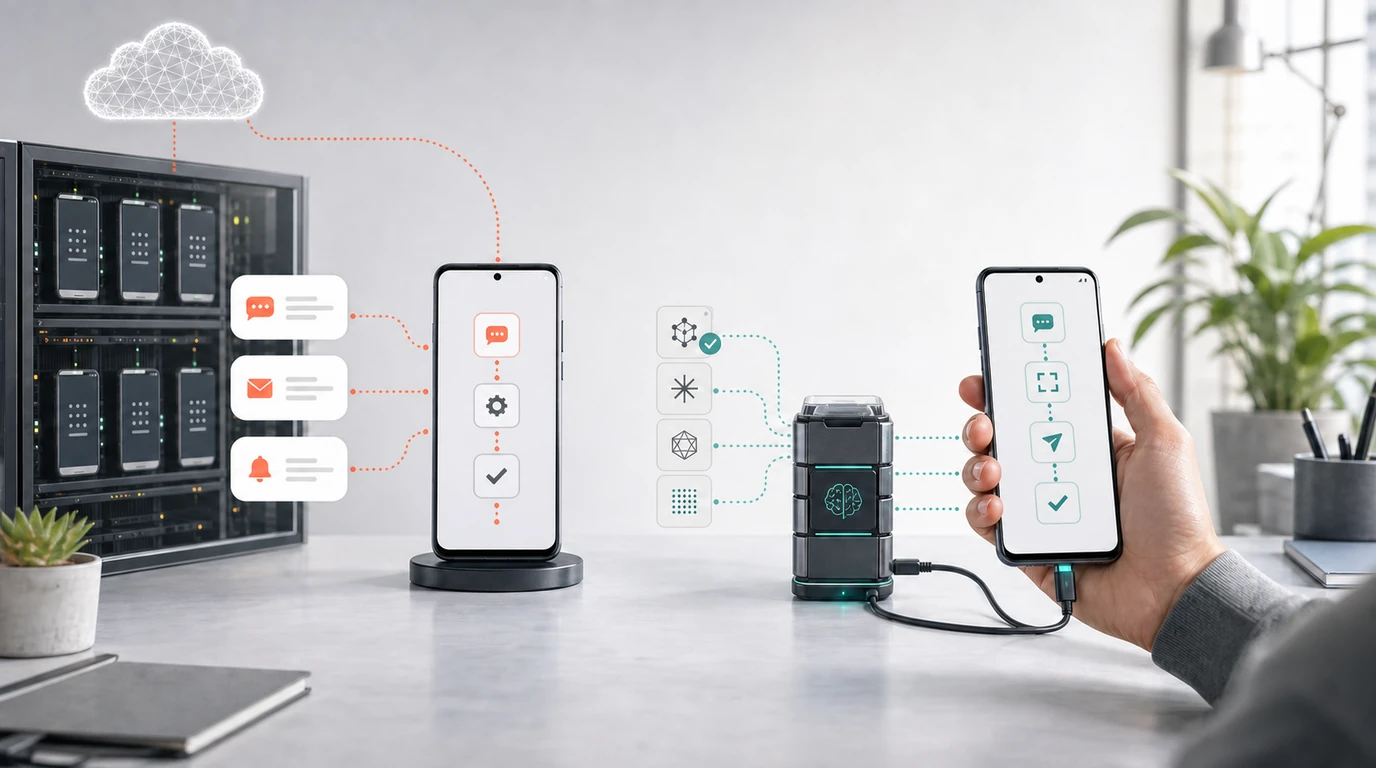
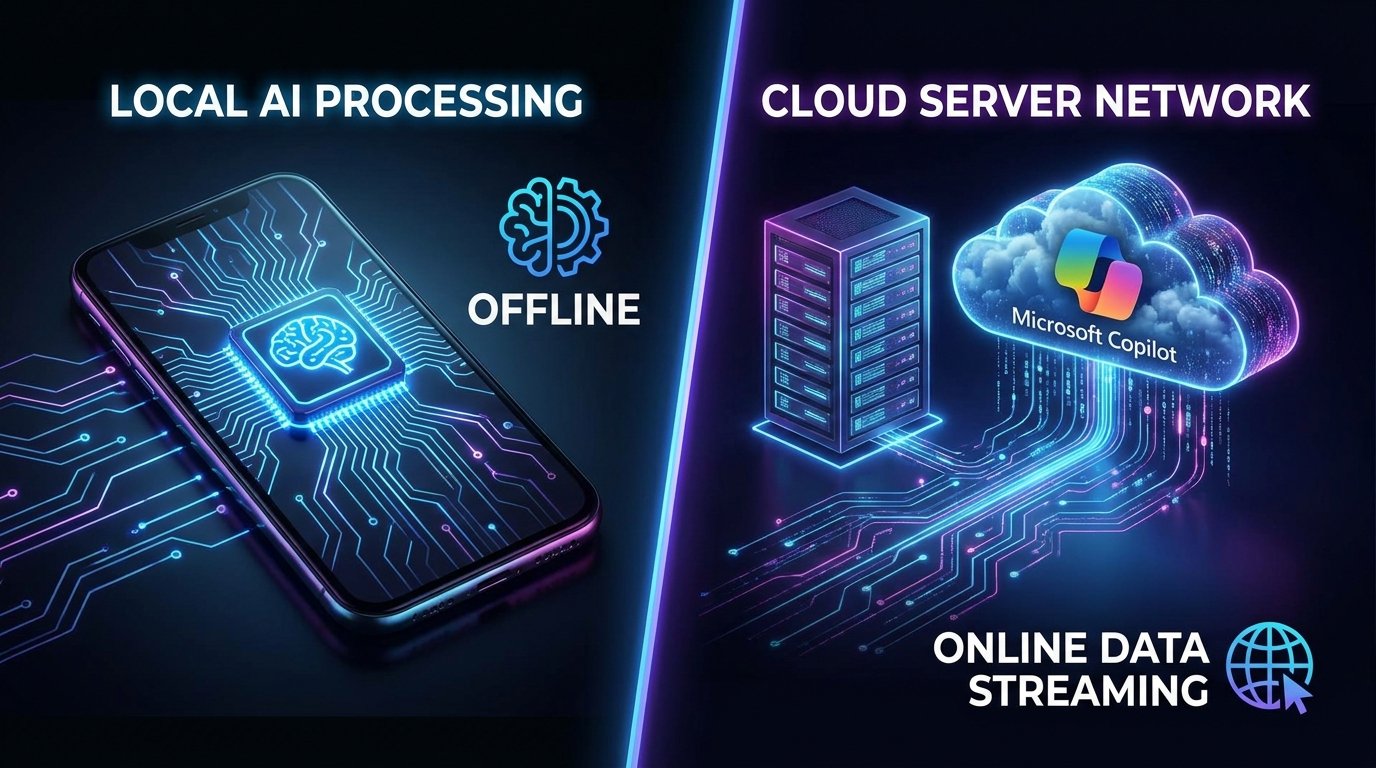
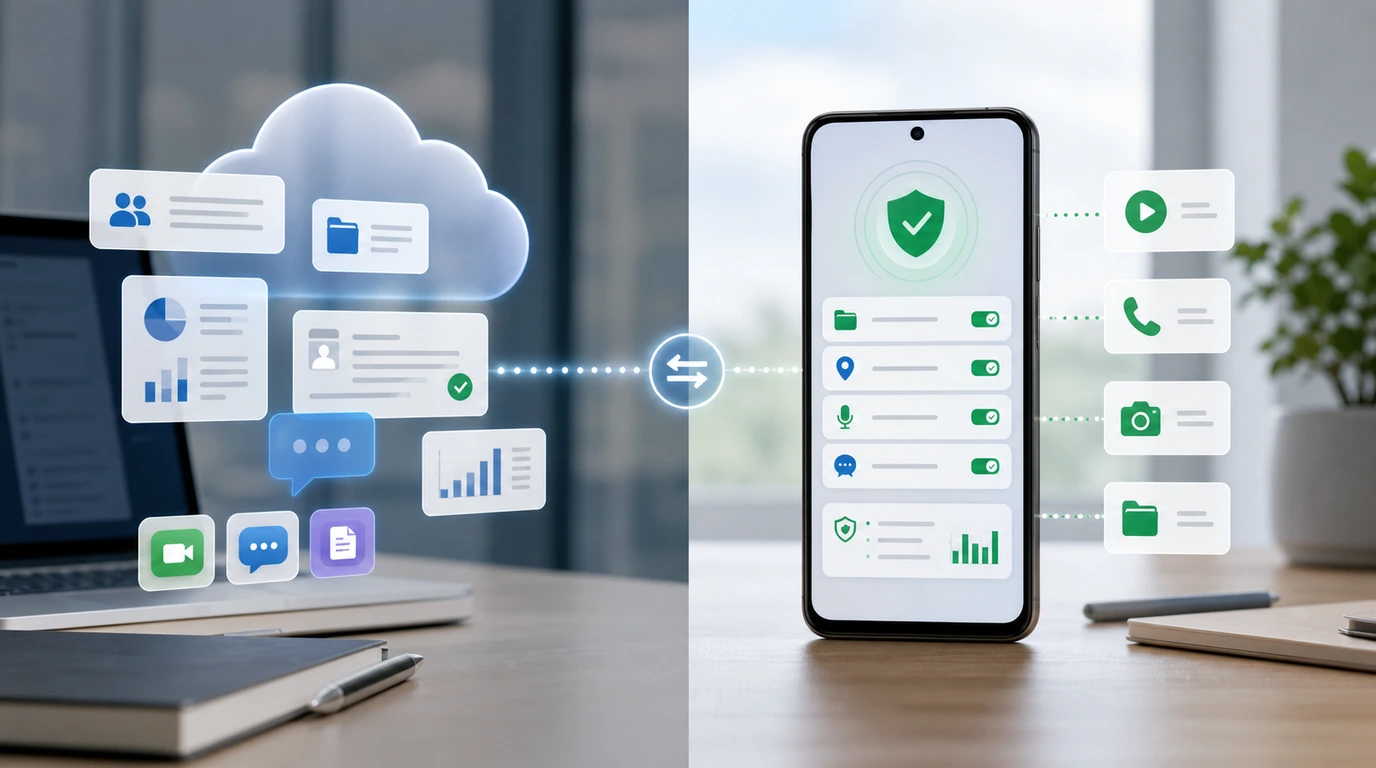
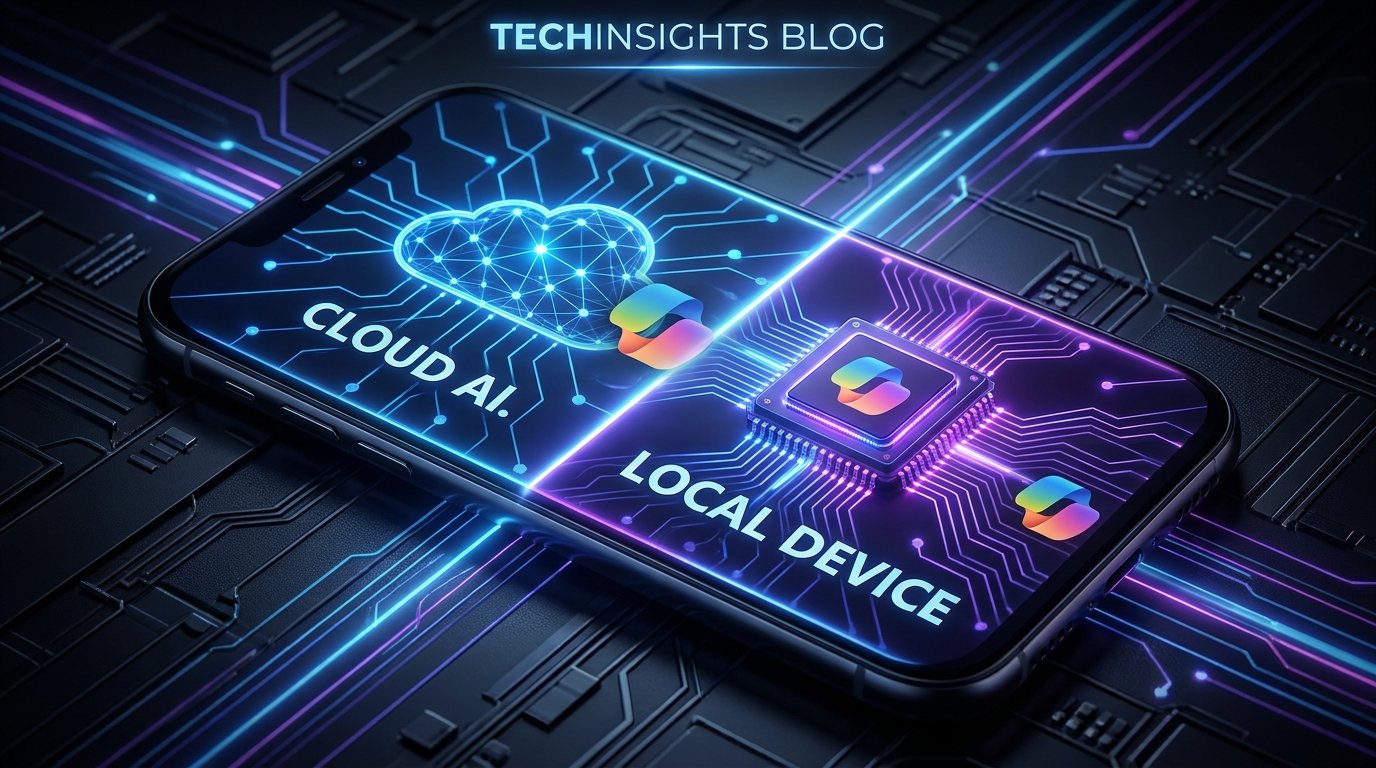
Cloud AI agents process your data on remote servers; local AI agents run directly on your phone. We compare privacy, latency, offline capability, and real-world phone control to help you decide.
Compare Microsoft’s Copilot-style AI super app route with FoneClaw’s local Android phone AI agent model for privacy, permissions, app control, and daily tasks.
FoneClaw vs Adobe Firefly is not a rivalry. Learn when to use Adobe Firefly for visual creation and when FoneClaw fits supported Android phone actions.
Compare WorkBuddy and FoneClaw by execution surface: desktop office files, remote messenger dispatch, Android phone actions, permissions, model setup, and the tasks each agent fits best.
Compare OpenClaw-style autonomous agents with FoneClaw’s supported Android phone actions, focusing on permissions, credentials, memory, plugins, and visible confirmation.
A practical guide to how AI agents move from research and coding workflows to Android phone actions with permissions, confirmation, and fallback.
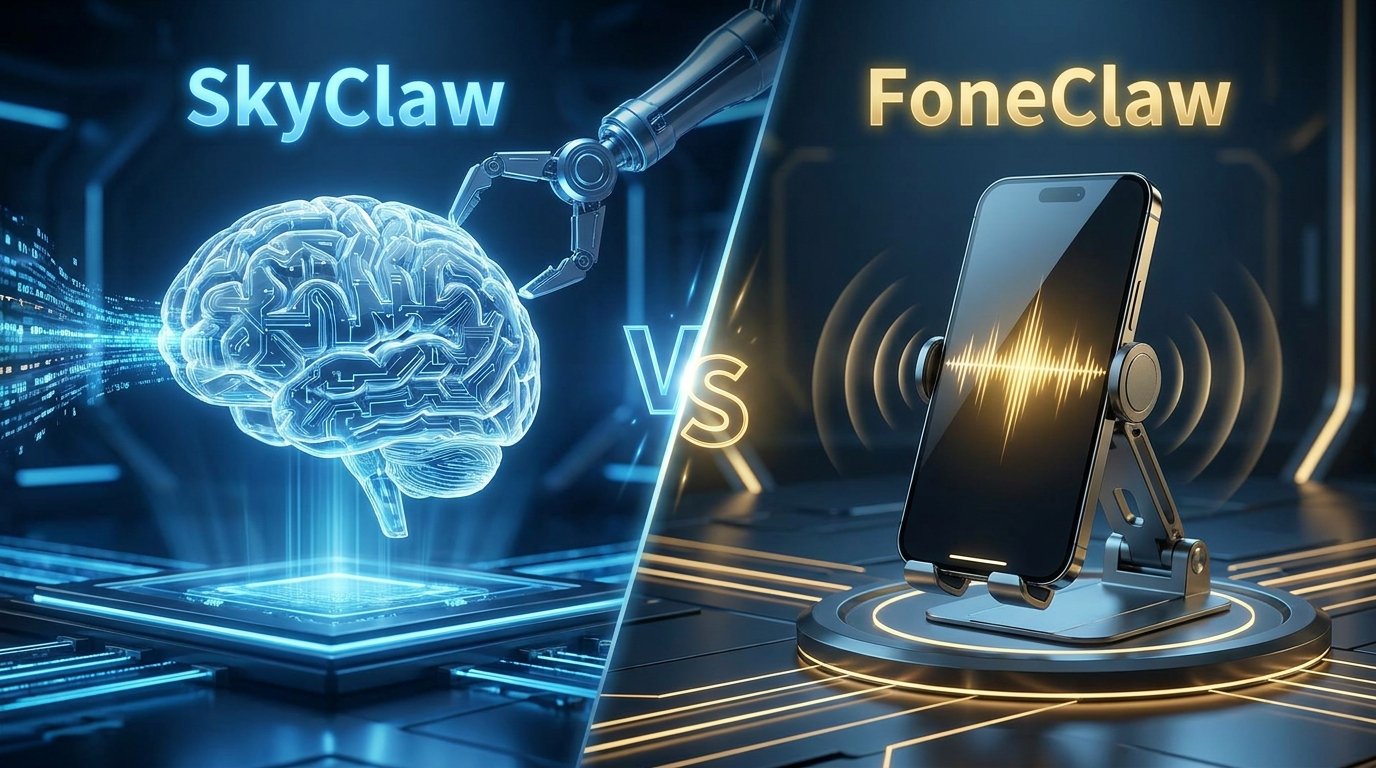
Compare SkyClaw-style model or agent-layer help with FoneClaw’s Android supported phone actions, including permissions, confirmations, setup, privacy, and best-fit use cases.
A practical look at what Microsoft Copilot redesign signals mean for Android phone AI agents, task execution, privacy, permissions, and FoneClaw.
An iOS 27 Siri AI agent could move Siri toward task planning and app actions, but unreleased details should be treated as reported or rumored until Apple confirms them.
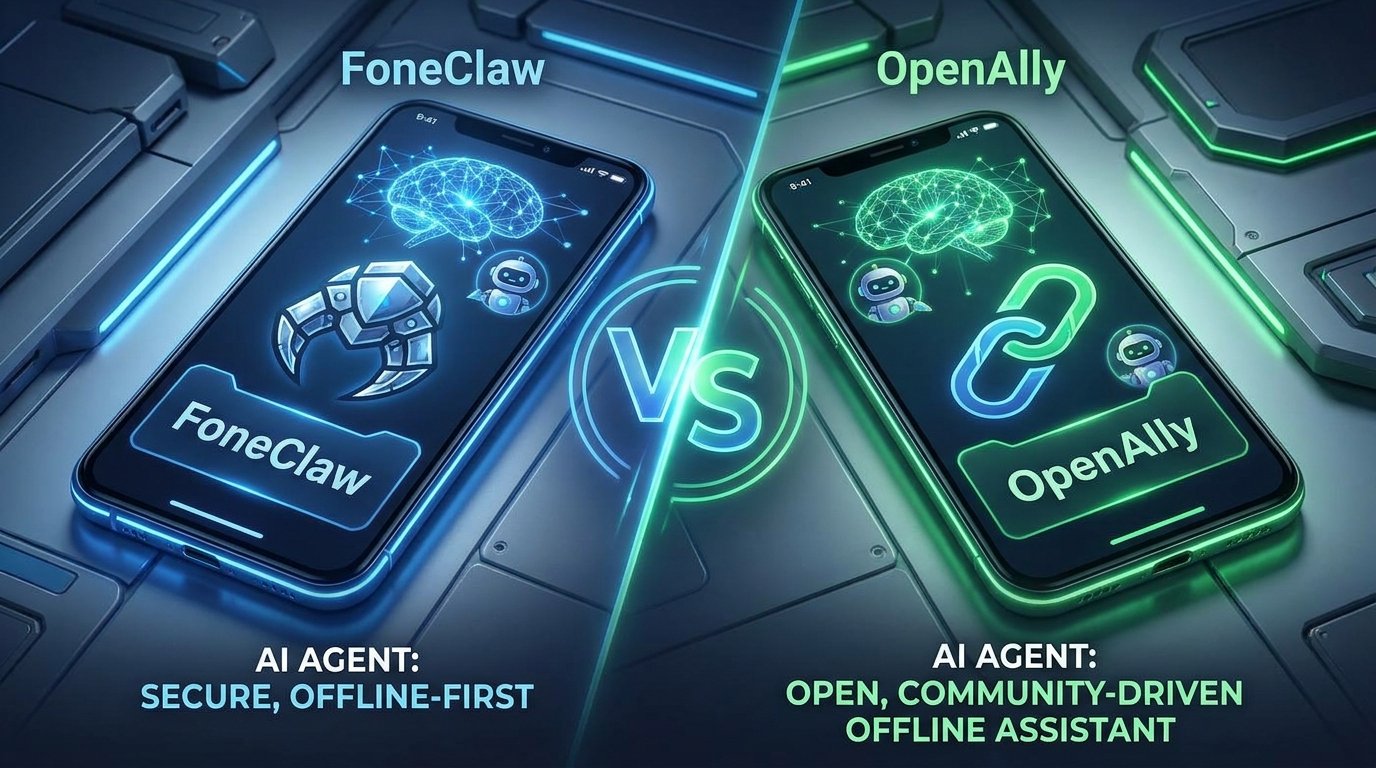
Compare OpenAlly and FoneClaw by Android actions, architecture, model routes, privacy, reusable agents, permissions, task continuity, and recovery.
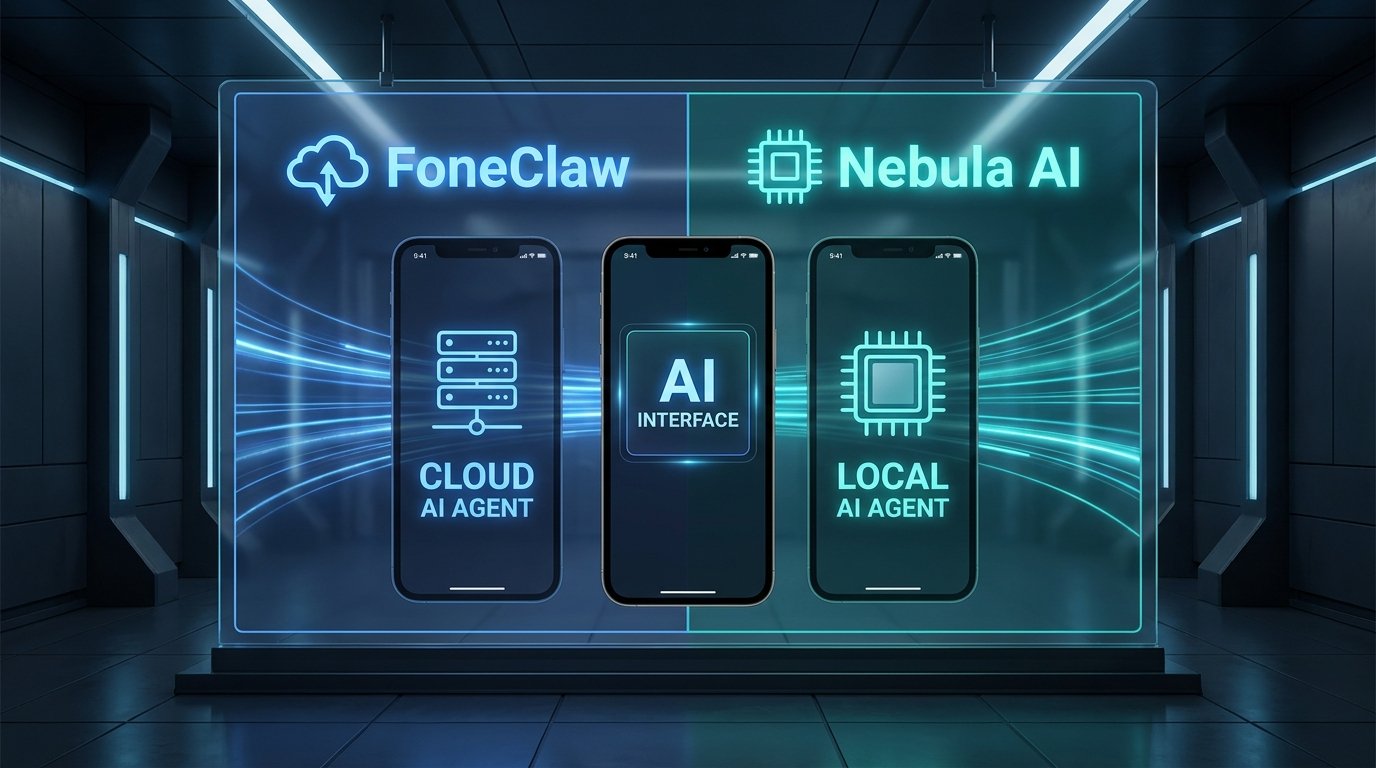
Compare Nebula AI-style smart agents with FoneClaw’s Android phone-action layer, including task scope, device access, privacy, background behavior, and supported phone workflows.
Compare MiniMax M3, MiniMax Agent Team, and FoneClaw by job layer: model reasoning, long-running agent work, and governed Android phone execution with permissions, approvals, visible results, and recovery.
Compare all-in-one AI agents with FoneClaw’s Android phone-action layer, including task scope, device access, permissions, privacy, failure modes, and best-fit use cases.
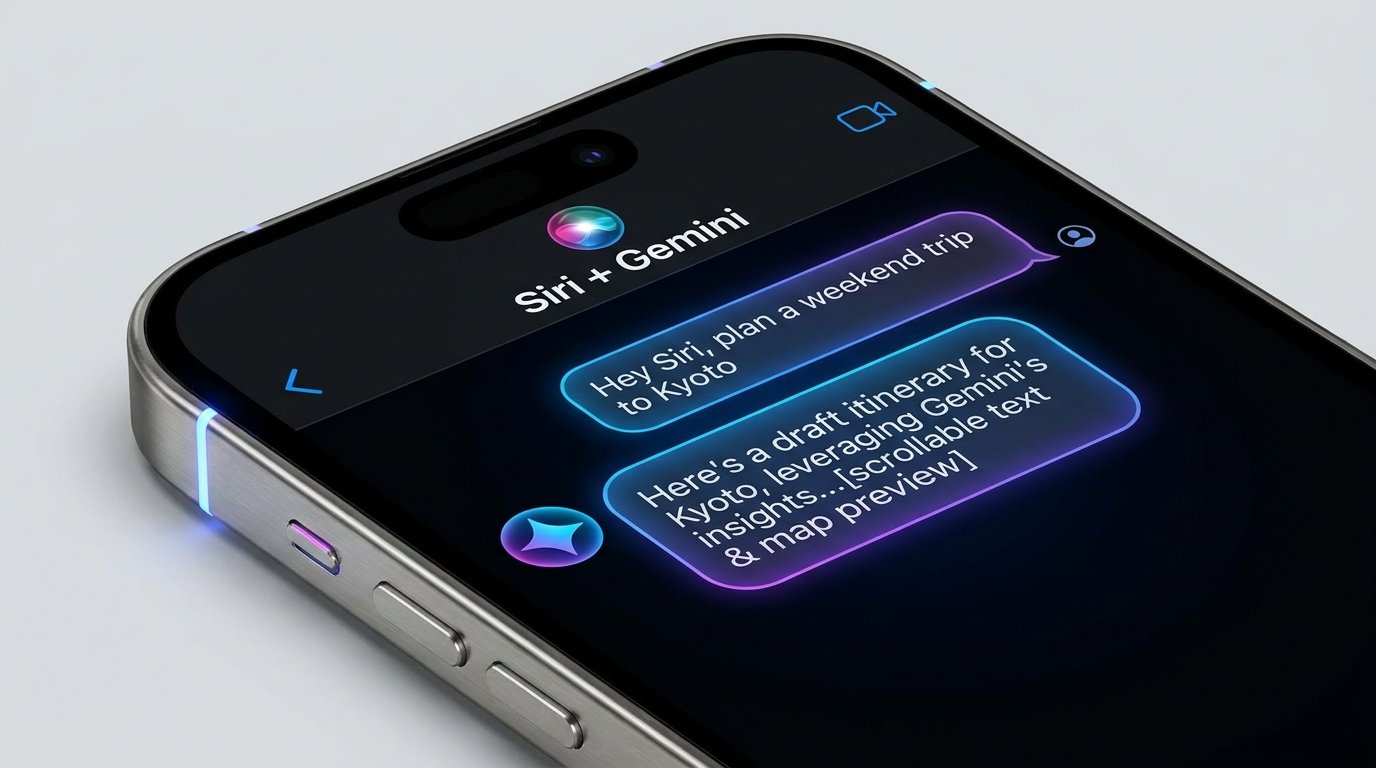
Reports suggest Apple may bring Google Gemini into Siri on iOS 27. If true, the bigger story is not a smarter chatbot—it is Siri finally learning to operate apps and complete phone actions end-to-end.
How MediaTek Dimensity AI hardware, on-device processing, and FoneClaw-supported Android actions shape practical phone-agent workflows.
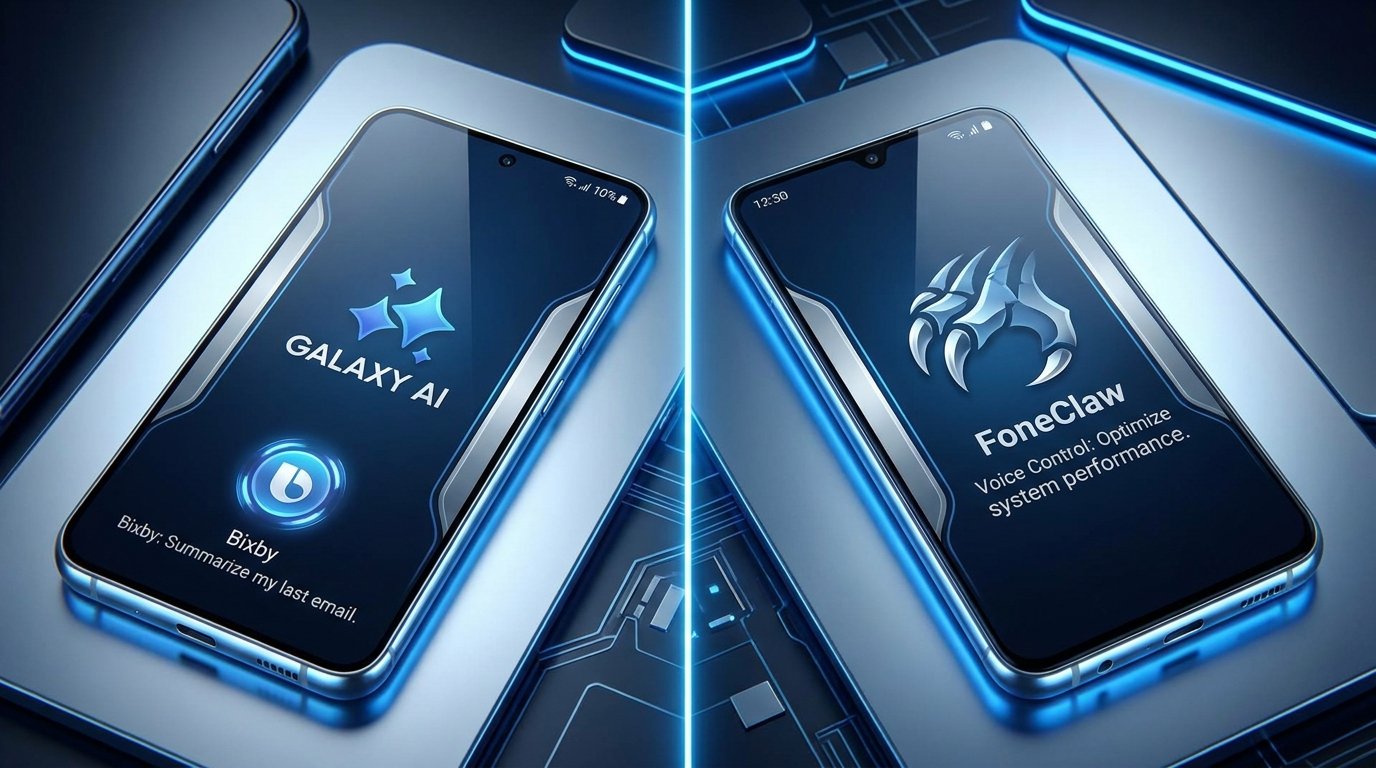
Compare Samsung Galaxy AI with FoneClaw by task: ecosystem AI features, Bixby voice help, privacy boundaries, Galaxy S26 signals, and supported Android phone actions.
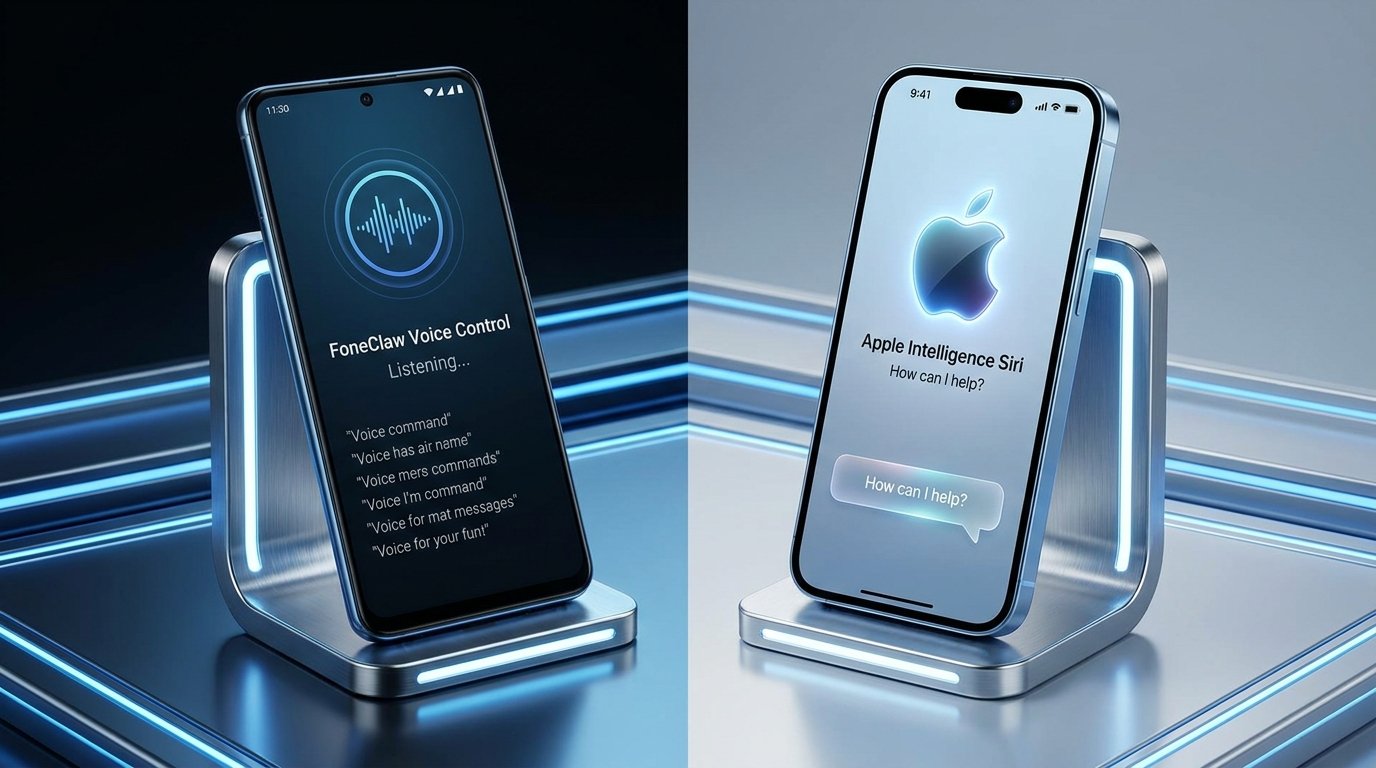
Compare FoneClaw vs Apple Intelligence for phone automation, voice control, Android support, privacy, and real device actions.
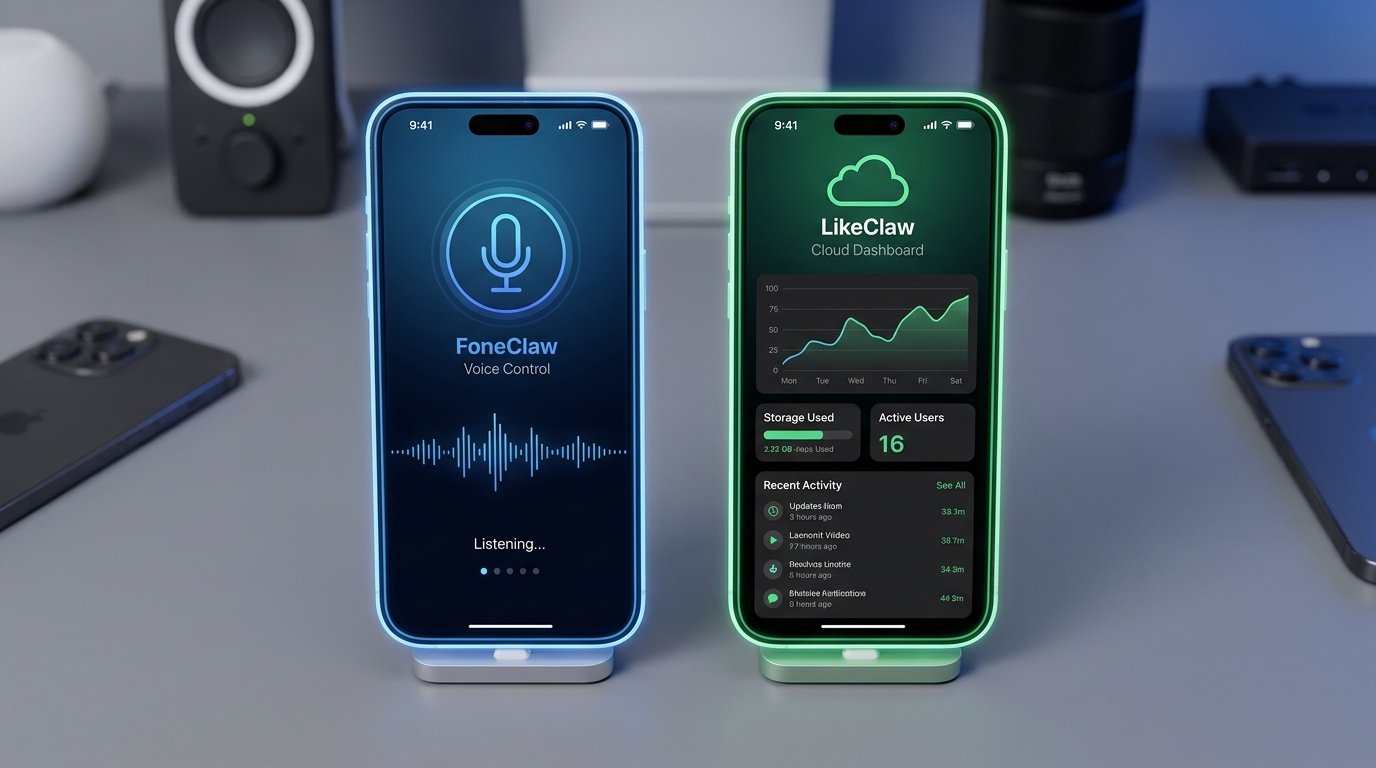
Compare LikeClaw-style Android-agent assistance with FoneClaw’s supported Android phone-action layer, including permissions, device access, privacy, failure modes, and best-fit use cases.
Check Gemini supported devices by app, assistant, Chrome, Wear OS, staged Gemini Intelligence features, missing-feature causes, and FoneClaw model setup.
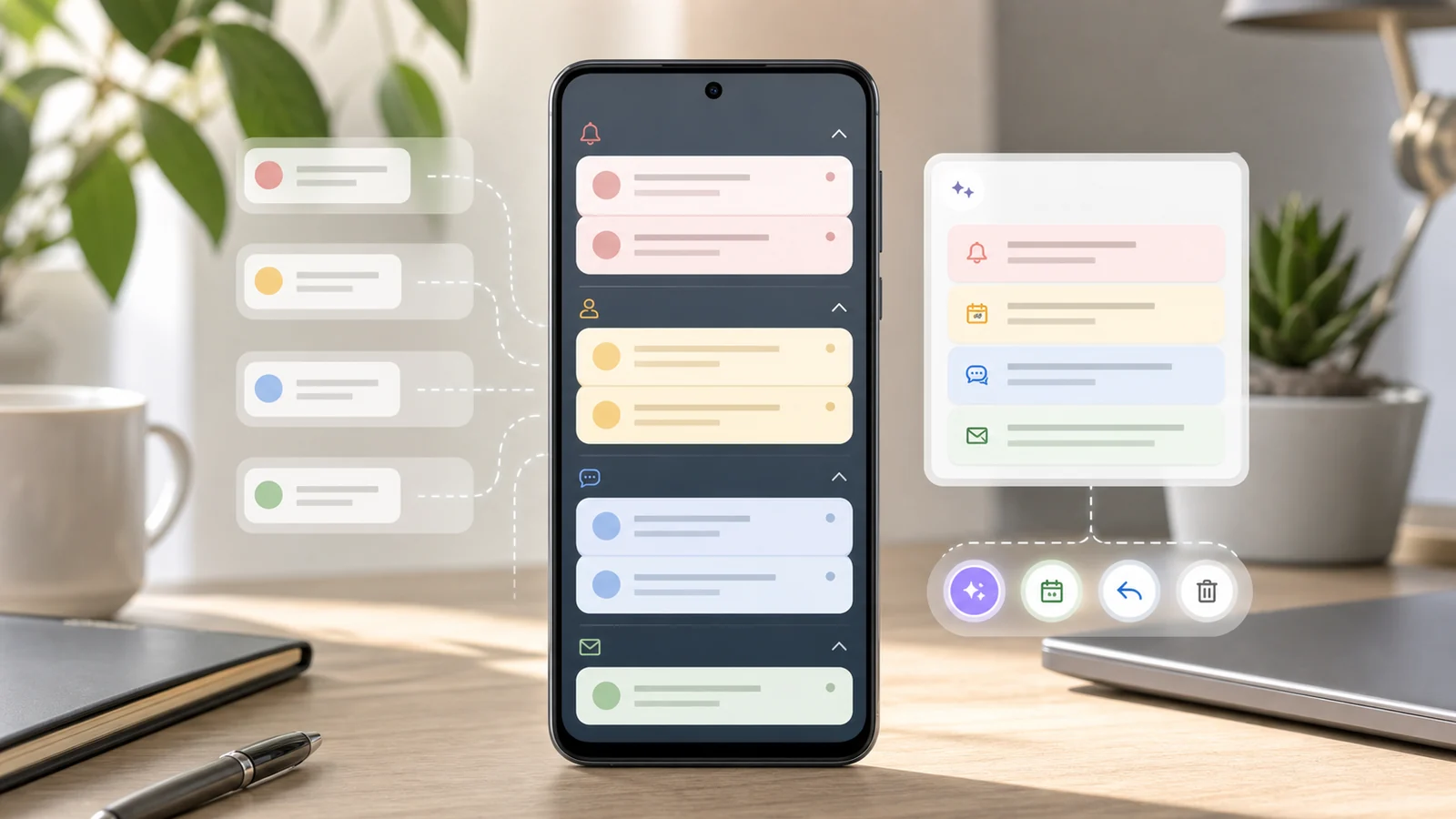
Use AI notification management on Android to group alerts, summarize messages, prepare replies, and let FoneClaw support visible phone actions.
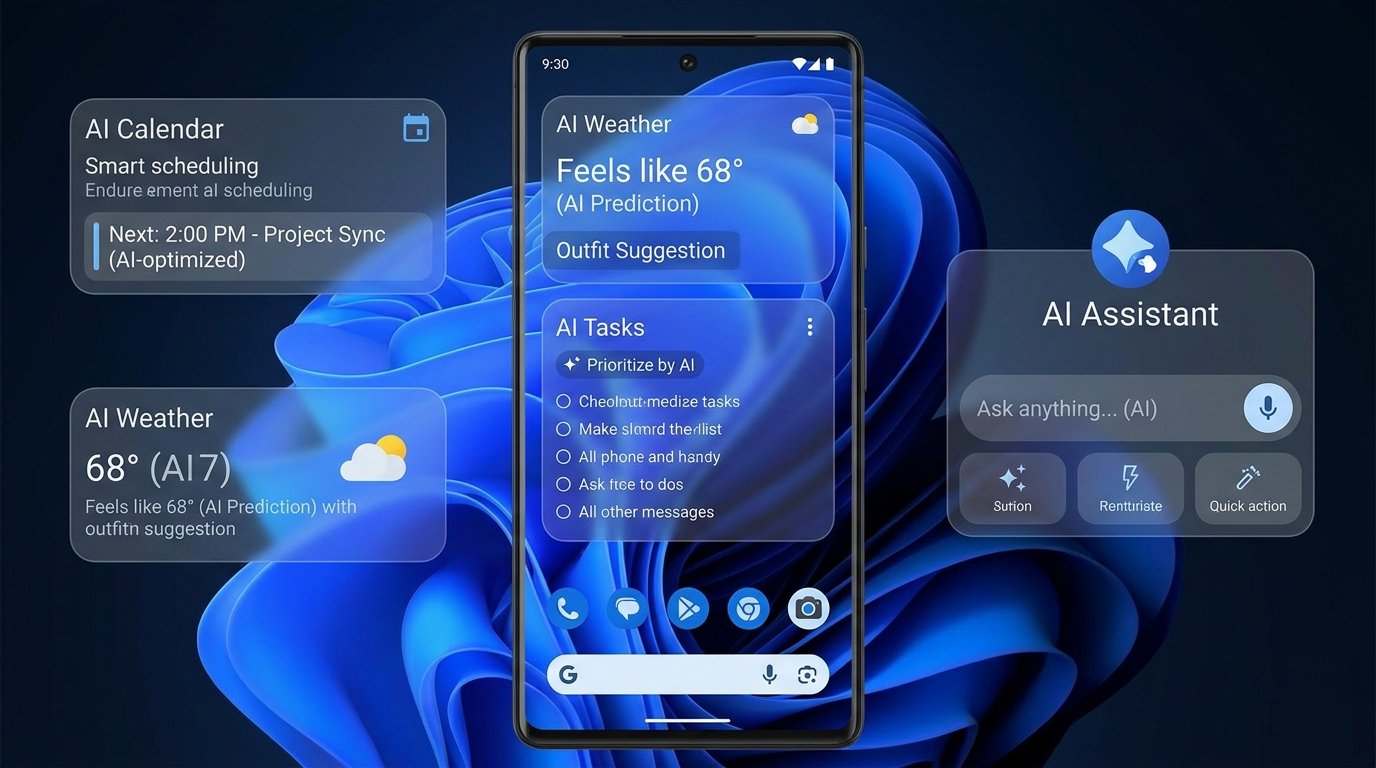
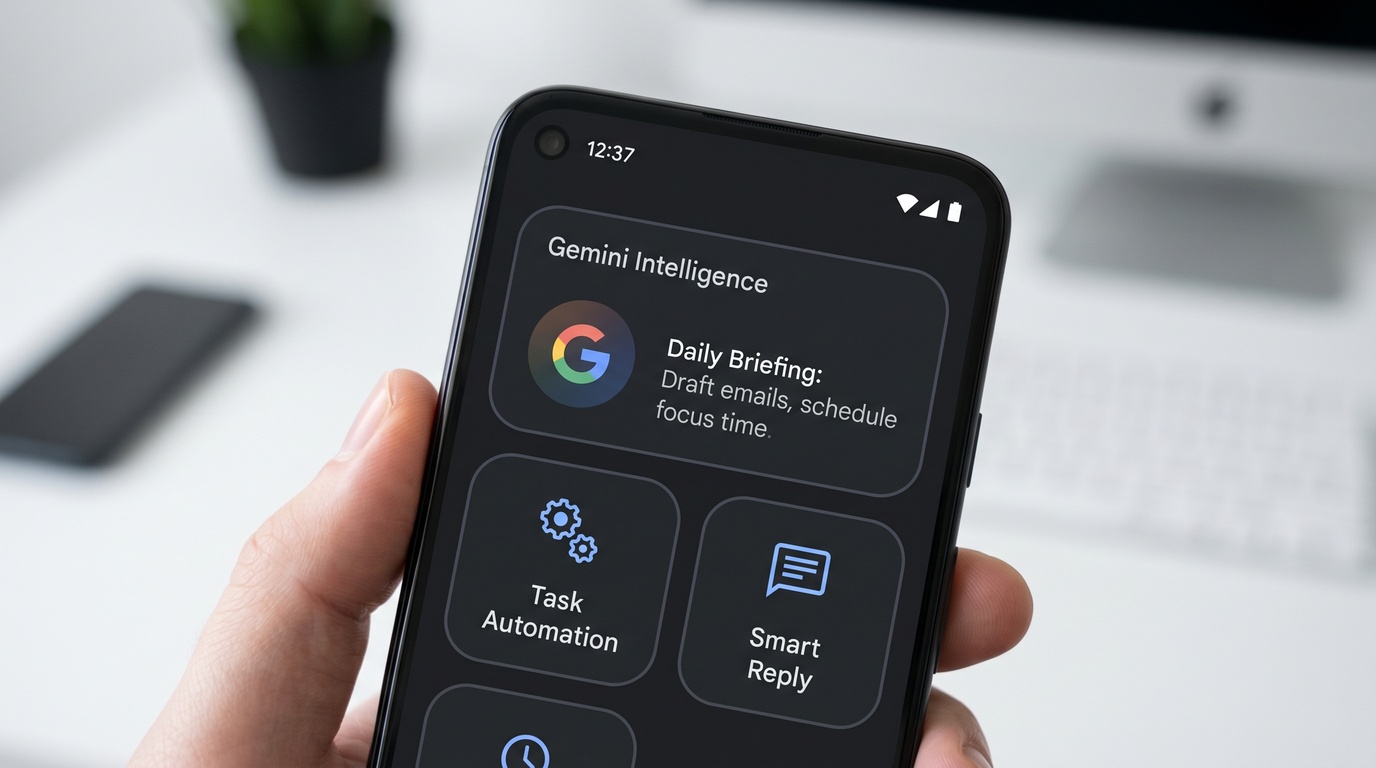
A practical guide to Gemini Intelligence widgets, Android home screen AI widgets, supported device checks, setup decisions, and how FoneClaw fits beside widget-based AI.
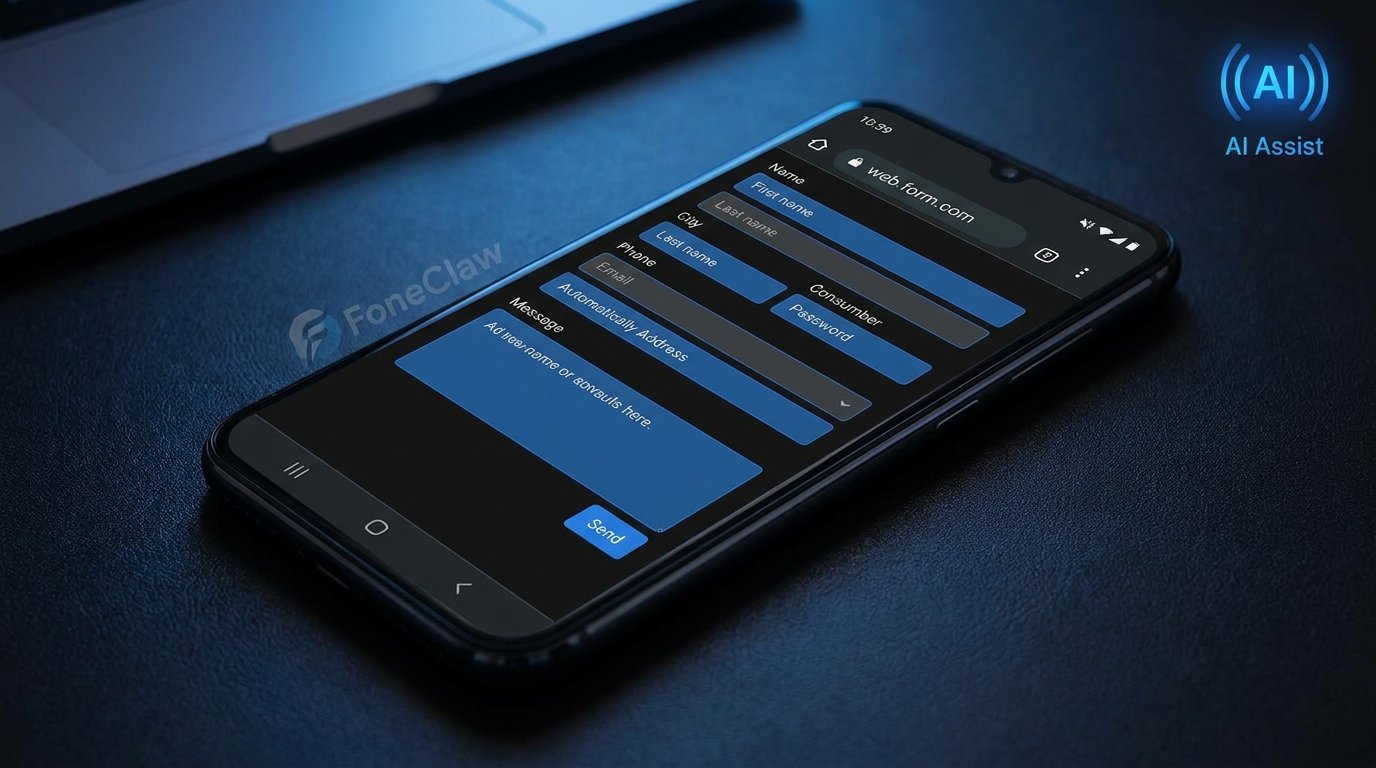
Learn what Gemini form filling can mean on Android, how it differs from saved autofill and phone agents, and how to review AI-assisted forms safely.
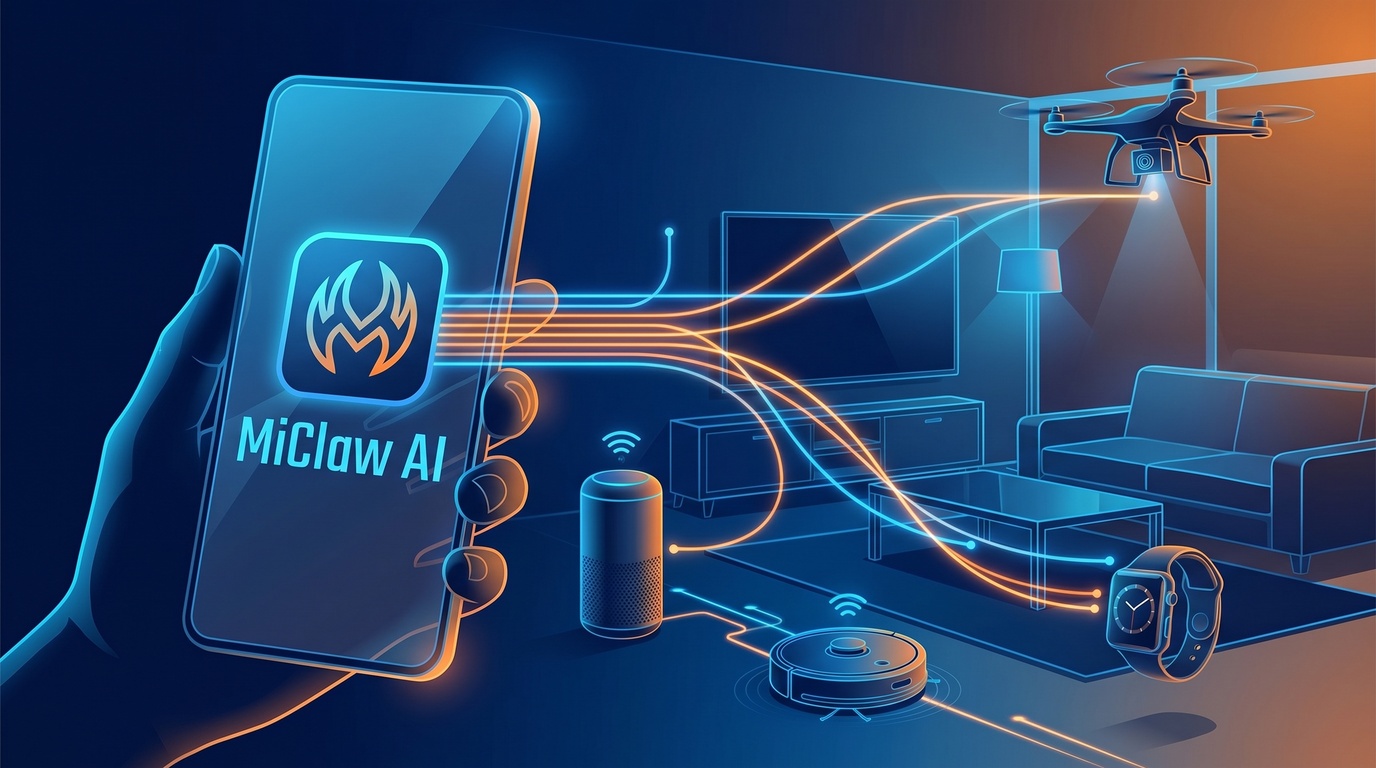
A clear guide to Xiaomi MiClaw, phone AI agents, HyperOS AI signals, safety boundaries, and how FoneClaw compares as an independent Android assistant.
A practical guide to Xiaomi MiClaw access, invite-code validation, HyperOS OTA requirements, APK risks, supported-device uncertainty, and safer Android alternatives.
Use Gemini voice control on Android with clearer requests, realistic app boundaries, current Gemini updates, and FoneClaw workflows that keep execution, approval, and recovery visible.
Check Gemini app Android requirements and compatibility, then learn what Gemini can do with Live, camera and screen context, selected phone actions, and availability checks.
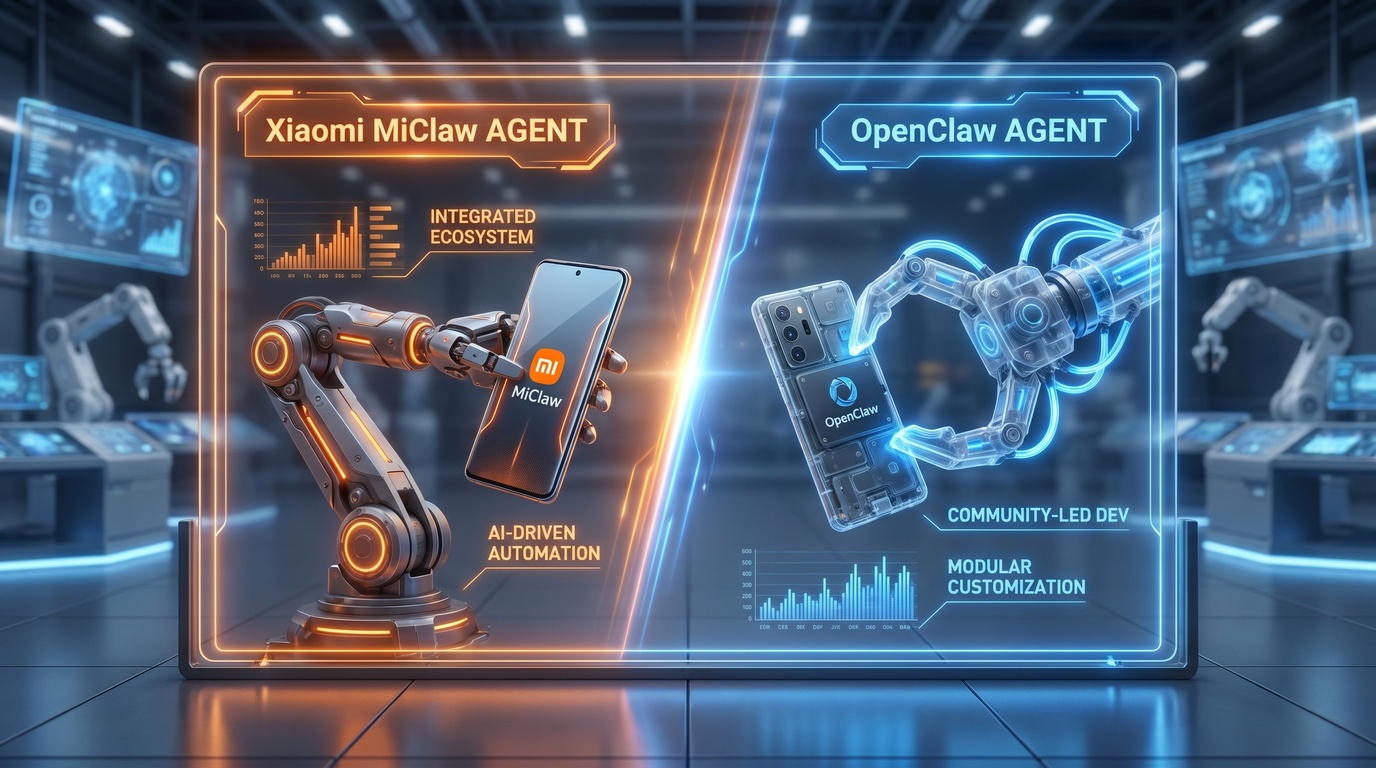
Compare MiClaw, OpenClaw, and FoneClaw by control model, setup burden, device fit, user control, and safe Android supported-action boundaries.
Compare Huawei and Honor-style OEM phone-agent integration with FoneClaw's independent Android supported-action assistant, including permissions, limits, and best-fit tasks.
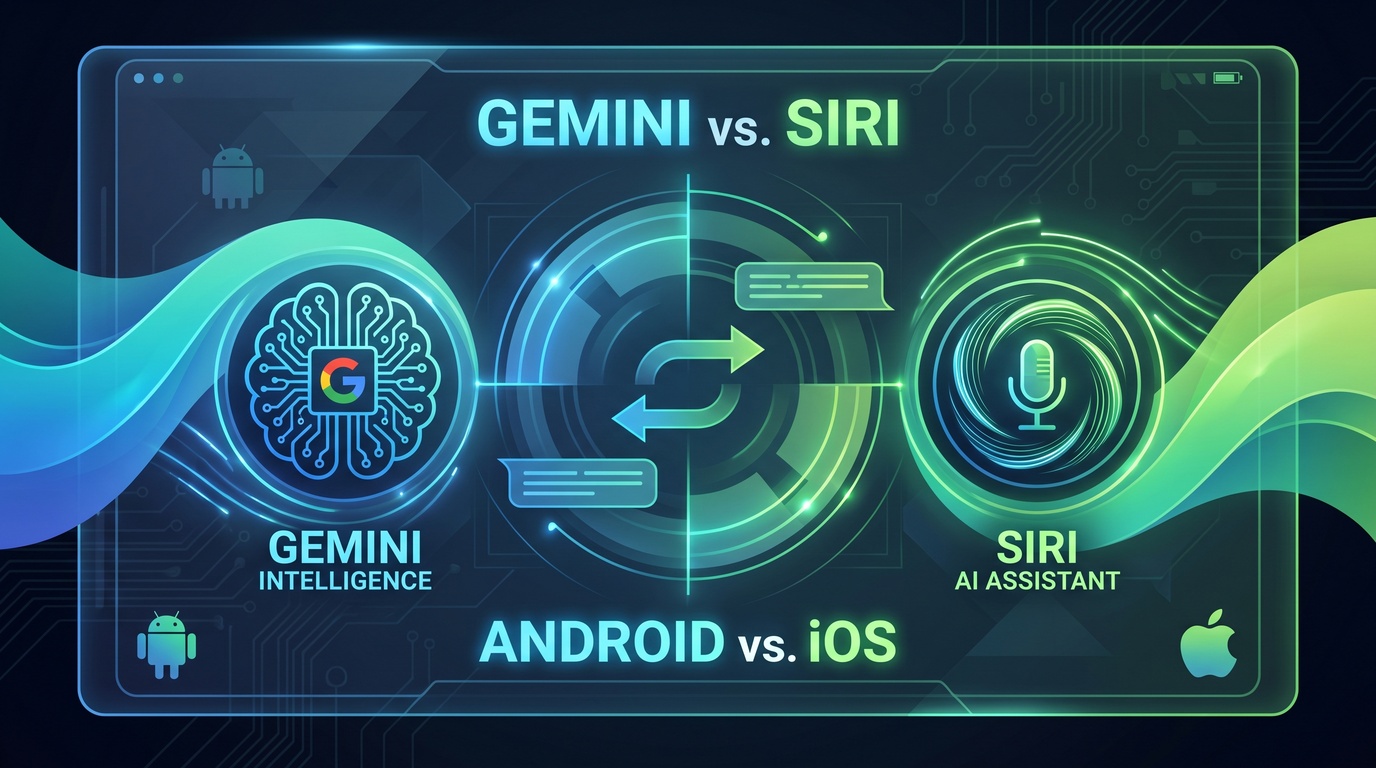
Compare Gemini vs Siri in 2026 by current access, device support, screen and personal context, phone actions, privacy controls, and Android execution.
A practical guide to Gemini productivity on Android, including daily workflows, connected app checks, privacy boundaries, and where FoneClaw fits as an independent phone AI agent.
A practical guide to AI agent phone control, Android phone agents, visible permissions, reliability, and how FoneClaw approaches supported phone automation.
Compare Perplexity AI, Perplexity Comet, Google AI Mode, and FoneClaw by task: research answers, browser delegation, ecosystem search, and supported Android phone actions.
Use Claude AI login with Google or secure email links on Android, fix common sign-in loops, manage sessions, and understand what happens after login.
A practical definition of an agentic AI phone, with a four-part test, current Android and Pixel evidence, deployment routes, task proof, and FoneClaw’s governed Android execution path.
A current layer map for Xiaomi AI 2026: MiMo V2.5 models, MiMo Claw cloud agents, HyperOS AI features, and Android phone-agent execution.
Browse, like, share, and comment on TikTok hands-free with FoneClaw voice commands. Voice control for TikTok on Android 9+ today.
Use YouTube voice control on Android for search, playback, captions, queues, and supported FoneClaw phone actions without constant tapping.
Choose the right WhatsApp voice route for messages, calls, read or reply tasks, Siri contact calls, Gemini on Android, Voice Access navigation, and FoneClaw preparation.
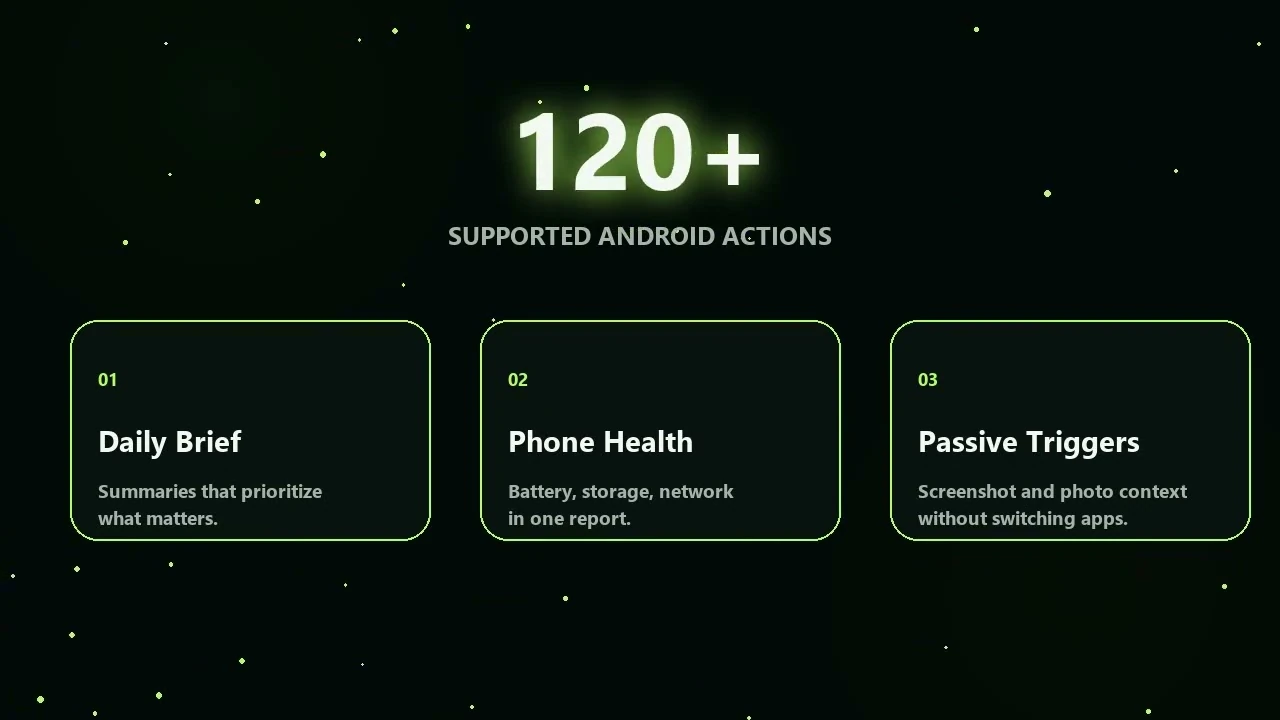
Master Telegram voice control with FoneClaw: send messages, manage channels, and use bots hands-free. 120+ actions on Android 9+.
Control Snapchat hands-free with FoneClaw voice commands. Send snaps, view stories, and chat on Android 9+ with 120+ supported actions.
Use Pinterest voice control on Android to search ideas, save Pins, organize boards, and let FoneClaw support visible phone-side actions.
Set up Discord voice chat Android calls, fix mobile voice input, microphone permission, Bluetooth audio routing, and use FoneClaw to prepare phone-level audio, DND, and visible pre-call workflows.
A practical look at Cerebras AI hardware, wafer-scale inference, and what faster data-center chips may mean for Android AI agents, privacy, latency, and cost.
Compare Xiaomi MiClaw and FoneClaw by current availability, official source checks, APK and GitHub claims, system integration, Android task control, and buyer fit.
A neutral buyer guide to Trump Mobile, the T1 Phone, Android phone AI agent readiness, privacy questions, support risks, and what FoneClaw users should watch.
Set up smart home voice control on Android with Google Home, Matter, app controls, practical commands, FoneClaw workflows, and safe fallback steps.
Learn how to automate Instagram tasks with voice commands using FoneClaw. Post, message, and engage on Instagram completely hands-free today.
Choose and set up a voice controlled Android phone for blind and low-vision users with TalkBack, Voice Access, Gemini calling limits, FoneClaw workflows, and recovery steps.
Learn how FoneClaw helps automate Android tasks with voice commands, supported actions, permissions, confirmation steps, and practical multi-step task design.
Set up Android voice control safely, use clearer hands-free commands, understand app and permission limits, and see how FoneClaw handles supported voice-driven Android workflows with review and recovery.
Use voice fitness control for Android to start workouts, manage music and timers, handle check-ins, review permissions, and use FoneClaw-supported actions.
Set up voice control for elderly parents on Android with larger controls, Voice Access basics, calls, messages, reminders, and FoneClaw-supported actions.
A practical safety guide to voice commands while driving on Android, with setup tips, command examples, distraction limits, and FoneClaw-supported actions.
Compare ten AI agent products for coding, research, app building, workplace automation, enterprise workflows, and Android phone actions, with a practical trust scorecard.
Choose the best AI agent models in 2026 by workload, tool use, endpoint fit, and Android execution needs instead of relying on a universal ranking.
Choose the right Tasker alternative for Android by job: deep rules, free built-in routines, MacroDroid, Automate, Voice Access, Gemini, and FoneClaw workflows.
A practical FoneClaw guide to small business AI agents for Android phone replies, appointments, orders, travel, reminders, and confirmations.
A task-first guide to hands free texting Android and Samsung Galaxy users can rely on: setup, voice dictation, review, sending, dual SIM, attachments, FoneClaw SMS behavior, and recovery.
Use hands-free Android voice workflows for parents: baby care timers, family messages, shopping lists, music, reminders, and FoneClaw-supported actions.
A practical decision guide to Hermes Agent, OpenClaw, and FoneClaw by setup burden, control model, risk, and supported Android phone actions.
Use Android voice tools and FoneClaw-supported phone actions for recipes, timers, shopping lists, music, messages, and safe kitchen workflows.
Compare Gemini vs FoneClaw: one answers and reasons, the other focuses on Android phone actions, permissions, and visible results.
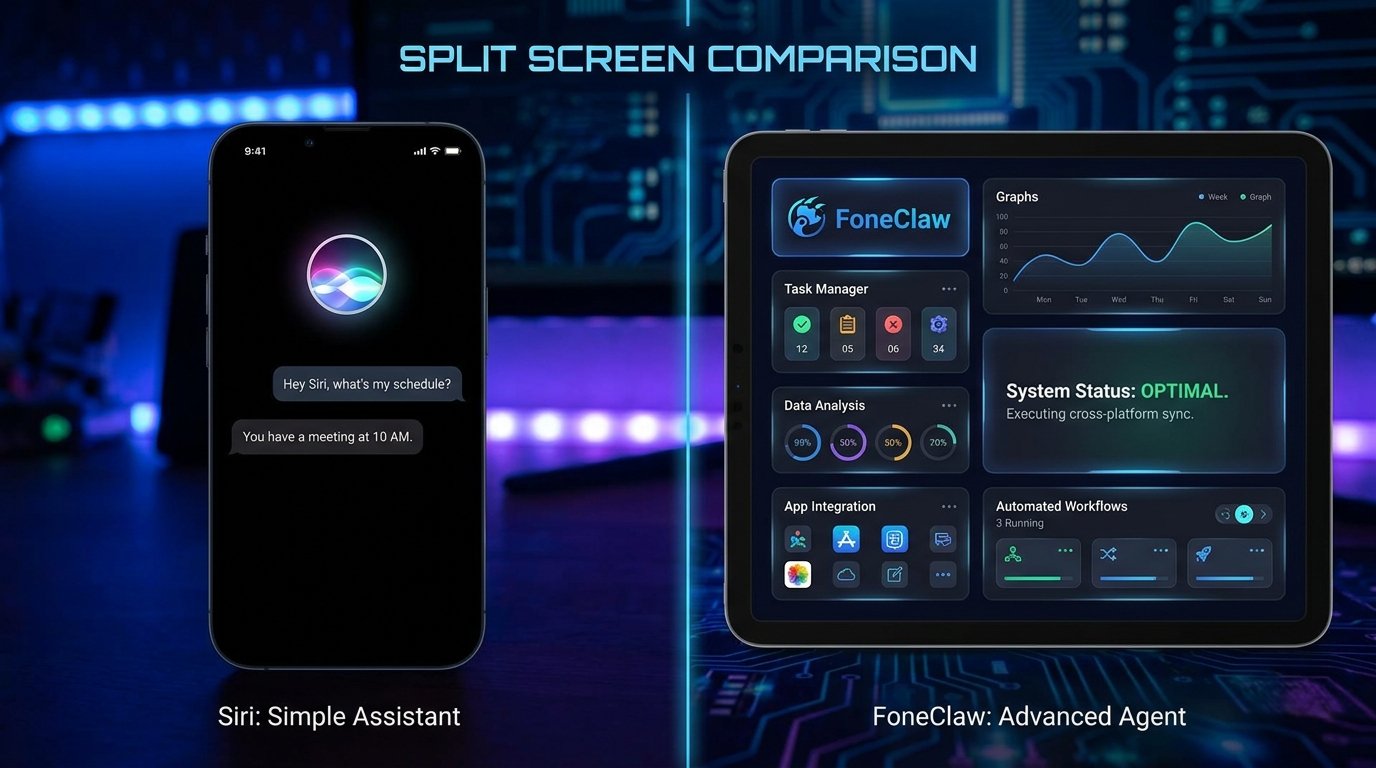
Compare FoneClaw vs Siri for iPhone and Android workflows, including Siri AI, app actions, hands-free tasks, privacy, permissions, and where each assistant makes the most sense.
Compare Google Assistant, Gemini, Voice Access, and FoneClaw by task: answers, routines, accessibility control, supported Android phone actions, approvals, permissions, and recovery.
A practical FoneClaw vs Alexa guide: when Alexa fits home voice requests and when FoneClaw fits supported Android phone actions.
How to use Android voice commands safely in emergencies: call the local emergency number, keep audio clear, share location, and follow dispatch instructions.
How to use Samsung TV voice commands through the remote, Bixby, SmartThings, or linked assistants, plus setup checks and FoneClaw phone-side support.
Compare Gemini, ChatGPT Voice, Voice Access, Bixby, Tasker-style automation, and FoneClaw by calls, messages, settings, app actions, and permissions.
Compare Android and iOS voice control by real tasks, including Gemini, Siri in iOS 27, Pixel 11, Pixel Watch 5, confirmations, recovery, and FoneClaw.
AI agents vs apps in 2026: Dean and the FoneClaw product team explain how Android apps, machine-callable functions, visible agent workflows, permissions, approvals, and FoneClaw phone actions fit together.
A practical Android guide for seniors: use accessibility settings and FoneClaw voice workflows for calls, messages, reminders, and safer daily phone tasks.
Use voice control for commuters on Android to manage routes, calls, messages, headphones, reminders, and FoneClaw-supported phone actions.