
AI 终端之战:手机助手的战场
手机 AI 助手领域的竞争格局分析。各大厂商在终端 AI 赛道上的角逐。
- Hardware Is the Distraction, Agent Is the Game
- The Agent Layer: Where Real Differentiation Happens
- FoneClaw: Building the Agent Layer, Not the Hardware
- Why Software Beats Hardware in the Long Run
- What This Means for the Next Five Years
Hardware Is the Distraction, Agent Is the Game
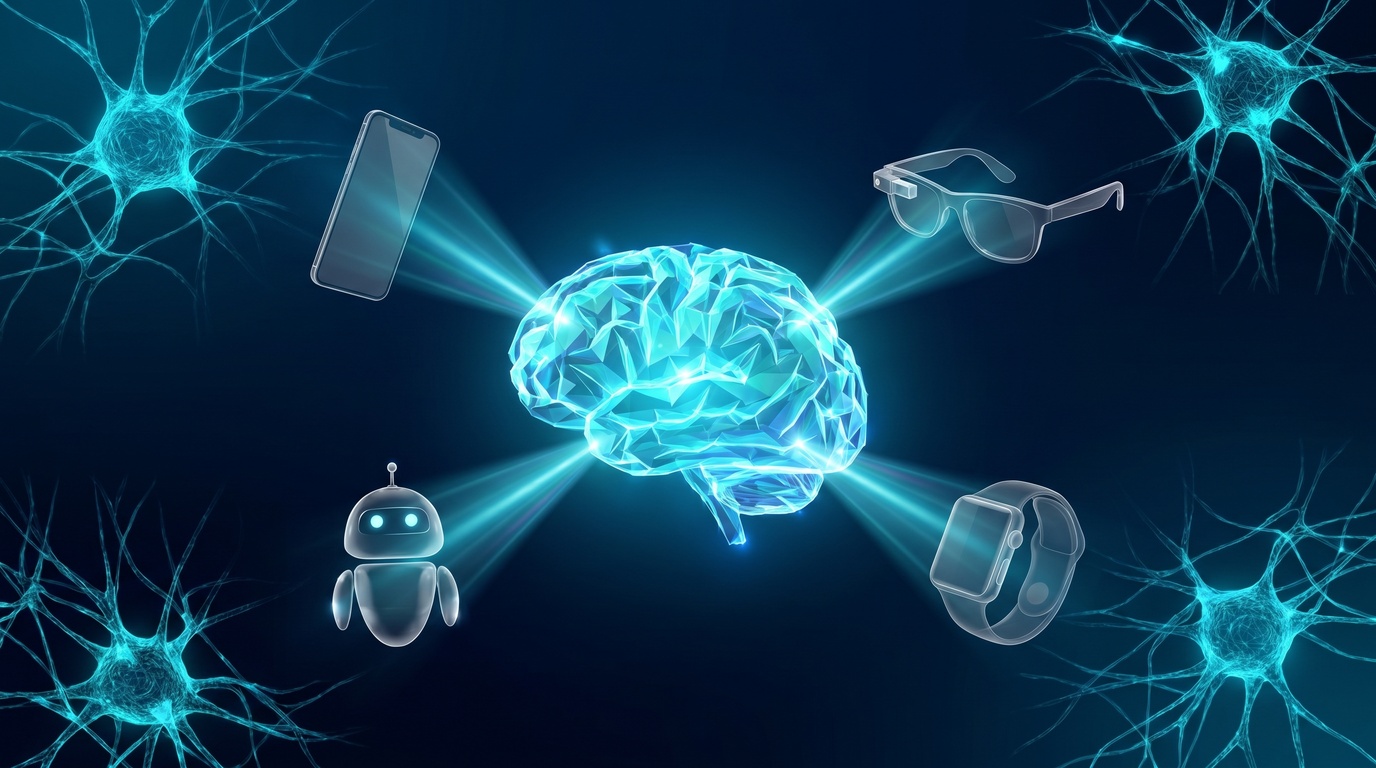
You see tech giants racing to build new hardware every day. OpenAI is reportedly working on a physical device, Meta is pushing smart glasses, and Tesla is building humanoid robots. These physical form factors capture headlines, but they distract from the real battle. The physical shell is just a container; the true competition lies in the software brain that runs inside it.
Based on our testing, consumers do not actually want to buy another physical device just to access smarter software. They want their existing devices to work smarter. The hardware market is already saturated, and adding a new physical screen or earpiece does not solve the fundamental user problem. The real value is created when an AI agent can execute supported tasks on your existing phone without requiring you to buy new hardware.
When you look past the shiny plastic and glass of new gadgets, the underlying operating systems are what actually matter. A device is only as useful as its ability to understand your intent and take action. If a new piece of hardware cannot schedule a flight, manage your emails, or control your smart home better than your current phone, it will quickly end up in a drawer. The focus must shift from building physical objects to building smarter digital execution layers.
We believe the future belongs to platforms that can coordinate these actions across any screen. A user should not have to choose between a phone, a ring, or glasses to get things done. The software should adapt to whatever device is closest, making the hardware choice a matter of personal style rather than technical capability.
For FoneClaw, that means an Android AI Phone Assistant rather than a new device category. The current product baseline is practical: Android 9+ support, 120+ supported Android actions, 16 feature categories, transparent permissions, and confirmation before sensitive actions.
The Agent Layer: Where Real Differentiation Happens
Hardware features hit a ceiling quickly. Screen refresh rates, processor speeds, and camera megapixels have reached a point of diminishing returns where users can barely notice yearly upgrades. Instead, the software ecosystem is where true differentiation happens. A modern smartphone becomes a completely different tool depending on whether it runs a basic search tool or a highly proactive AI assistant.
Based on our experience, the integration of advanced models like Google AI directly into mobile operating systems changes how we interact with technology. It is no longer about opening an app and manually typing out commands. Instead, the software understands the context of what is on your screen and anticipates your next move. This level of integration makes the physical hardware design almost completely irrelevant.
Additionally, platforms that let users connect to external models like Claude AI show that flexibility is key. Users want to choose their preferred brain rather than being locked into whatever proprietary system a hardware manufacturer forces upon them. The winning platform will be the one that coordinates these different cognitive models most effectively, turning raw processing power into actual, useful actions.
Ultimately, hardware is a commodity. Anyone can assemble a screen, a battery, and a processor. The real magic happens in the orchestration layer that connects these physical components to complex reasoning engines. This is why companies that focus solely on hardware will find themselves falling behind those that prioritize open, flexible software solutions.
FoneClaw: Building the Agent Layer, Not the Hardware
This is exactly why FoneClaw exists. FoneClaw is an independent startup, and we do not build proprietary hardware. We believe that the world does not need another smartphone brand; it needs a way to make existing Android phones more useful through supported phone actions. FoneClaw is best described as an Android AI Phone Assistant: say what you want, and the phone can perform supported actions with clear permissions.
Our platform is designed around practical Android workflows rather than hardware lock-in. It can work with different model layers, including external models where configured, while FoneClaw remains focused on the phone execution layer. The product covers 120+ supported Android actions across 16 feature categories, including notifications, SMS, calls, system settings, screenshots, email, calendar, maps, web tasks, workflows, and app interface operations.
By focusing on software, we can bring voice control to existing Android 9+ devices instead of forcing users to upgrade every year. Setup still matters: screen reading, notification summaries, SMS, location, email, camera, Bluetooth, overlay, and system-setting features each require the relevant Android permissions or account setup. Sensitive actions such as dialing, sending SMS or email, deleting records, or changing important settings should ask for confirmation.
That trust boundary is the point. We are building a future where your phone acts as a useful digital partner without pretending to control everything silently. The winning agent layer is not the one that promises unlimited automation; it is the one that makes supported phone workflows visible, understandable, and user-approved.
Why Software Beats Hardware in the Long Run
History proves that open software platforms almost always win against closed hardware ecosystems in the long run. When personal computers first emerged, proprietary hardware systems dominated the market. Eventually, open operating systems that could run on any machine took over because they allowed for rapid scaling and developer freedom. The same pattern is repeating in the mobile era.
Building hardware is slow, expensive, and risky. A hardware company must manage supply chains, manufacturing defects, and physical distribution, which slows down their ability to update their systems. Software, on the other hand, can be updated globally in a matter of seconds. An open software layer can adapt to new breakthroughs instantly, while a hardware-centric company is stuck with whatever chips they shipped six months ago.
Because software updates are instant, a software-focused platform can adopt new models and capabilities the moment they are released. If a new model outperforms the current standard, a software platform can integrate it immediately. Hardware companies must wait for their next product cycle to offer similar updates, leaving their users running outdated systems. Software wins because it evolves at the speed of thought, not the speed of factories.
This rapid evolution is what will define the next decade of technology. The companies that try to control both the hardware and the software will find themselves outpaced by open ecosystems. By keeping the software layer open, we allow the global developer community to contribute to a shared environment that improves every single day.
What This Means for the Next Five Years
We see the AI terminal war playing out in three distinct phases over the next five years. The first phase, which we are in now, is defined by hardware experimentation and hype. Companies will continue to launch weird devices, pins, and glasses, most of which will fail to gain mainstream adoption. This phase is necessary to show the limitations of trying to replace the smartphone.
The second phase will focus on consolidation and integration. During this period, the industry will realize that the smartphone remains the central hub of digital life, but its interface must change. We will see standard operating systems open up their systems to allow deep integration of third-party tools. This is where independent platforms will start to dominate, providing the glue that connects different models to physical hardware.
The final phase will bring more user-approved workflows. Your devices will not simply answer questions; they will prepare actions, summarize context, and complete supported tasks after the right permissions and confirmations are in place. By focusing on the software layer today, we are preparing for this future, ensuring that users can access these supported agent capabilities on the hardware they already own and love.
This transition will not happen overnight, but the foundation is being laid right now. The winner of this war will not be the company with the prettiest phone or the lightest glasses. It will be the platform that successfully builds the brain capable of running across all of them, making technology truly useful for everyone.