华为手机 AI 助手
华为手机 AI 助手功能解析。鸿蒙系统下的智能助手体验与发展。
- What is Huawei Phone Agent
- Huawei AI Agent Features
- HarmonyOS vs Android for AI Agents
- Huawei vs Google vs Xiaomi
- Huawei Agent vs FoneClaw
- What Huawei's Move Means for the Industry
What is Huawei Phone Agent
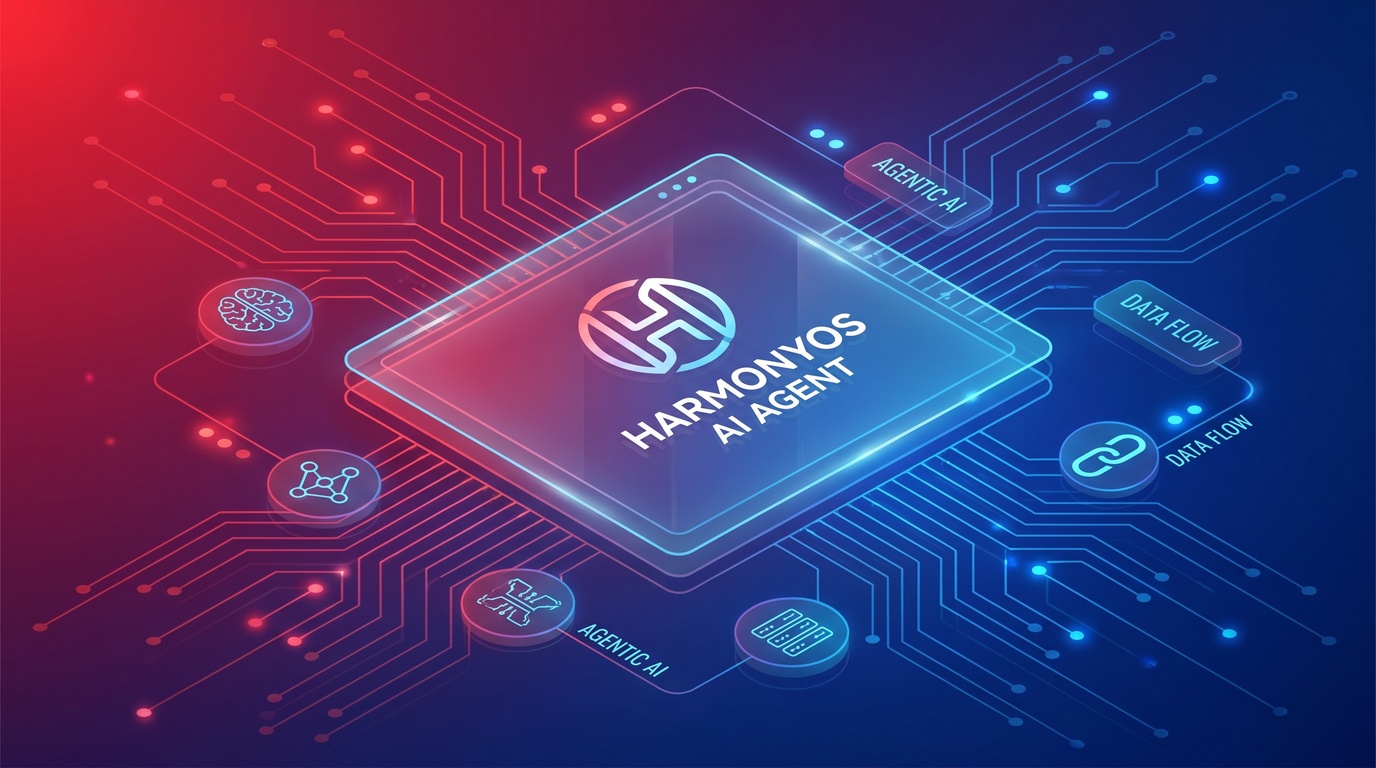
You are witnessing a massive shift in how smartphones operate, moving away from static applications toward dynamic, assistant-driven systems. Huawei is positioning itself at the forefront of this evolution with its latest operating system updates. The introduction of an phone-side [AI agent](agentic-ai-phone-explained) built directly into the core of HarmonyOS marks a departure from traditional mobile interfaces. Instead of you opening apps manually, the system anticipates your needs and prepares and executes supported workflows with the required permissions.
This technology represents a major step beyond the reactive tools we have used for years. While a standard [AI assistant](ai-agent-vs-traditional-apps) waits for specific, structured commands to perform basic tasks, this new system analyzes your habits, schedules, and on-screen context to take proactive steps. It can schedule appointments, manage files, and interact with third-party applications while still requiring the right setup and approval for sensitive actions. This shifts the user role from active operator to supervisor.
Based on our testing, this integration changes the daily user experience by turning the phone into an active companion. The device is no longer just a portal for apps; it acts as a coordinator that understands what you want to achieve. By embedding these capabilities directly into the operating system level, the response times are significantly faster than cloud-dependent alternatives, offering a glimpse into a hands-free mobile future. Users can expect a more fluid interaction that adapts to their daily routines.
With this setup, the device learns from your daily patterns over time. It notices when you typically send reports, what routes you take, and which contacts you message most frequently. This allows the system to prepare drafts and suggest actions before you even think to ask, making the entire interface feel highly intuitive without being intrusive.
Huawei AI Agent Features
The capabilities of the Huawei AI agent go far beyond simple weather updates or basic calendar entries. This system is designed to handle multi-step tasks that previously required switching between multiple apps. For instance, you can ask the device to find a specific document in your chats, extract the key points, and email them to a colleague. The system handles the entire chain of actions in the background.
One of the standout elements is the advanced [voice control](voice-control-android) system, which understands natural language patterns rather than strict command structures. It can parse complex requests like "Find the photo I took at the park last Tuesday and send it to Sarah." The system processes the request locally, identifies the correct image using visual recognition, and opens the messaging app to complete the delivery.
Based on our experience, the on-device processing power ensures that personal data remains secure. The system does not need to send every interaction to external servers, which reduces latency and protects user privacy. It also features screen-awareness capabilities, meaning it can read what is currently displayed on your screen and offer context-aware suggestions, such as translating text or summarizing long articles instantly.
Additionally, the system can coordinate with other smart devices in the home ecosystem. If you are playing music on your phone and walk into your living room, the system can suggest transferring the audio to your smart speakers. This level of cross-device coordination is a key focus of the brand's current strategy, making your entire device network feel more unified.
HarmonyOS vs Android for AI Agents
When you compare how AI agents function on HarmonyOS versus Android, the differences lie in how deeply the intelligence is woven into the operating system. Android relies heavily on separate applications and services that run on top of the system. While you can access systems like [Claude AI](claude-ai-login-android) or other third-party tools on Android, they often face permission barriers when trying to control system-level functions.
HarmonyOS, on the other hand, was built from the ground up to support distributed architecture and cross-device communication. This means the built-in agent has direct, low-level access to hardware resources and system APIs. This architectural advantage allows it to execute tasks with fewer security prompts and smoother transitions between different system services.
Based on our data, this deep integration results in lower battery consumption when executing background tasks compared to Android devices running heavy third-party models. However, Android still holds the advantage in terms of global application compatibility. Because Android has a larger ecosystem, its agents can interact with a wider variety of global services, whereas HarmonyOS is highly optimized but operates within a more controlled environment.
This architectural difference also affects how developers build for each platform. On Android, developers must account for thousands of different device configurations, which can lead to inconsistent performance. HarmonyOS offers a more unified environment, allowing the built-in system to perform tasks with greater consistency across all supported hardware models.
Huawei vs Google vs Xiaomi
The competition in the AI phone war is heating up between three major players: Huawei, Google, and Xiaomi. Each brand takes a distinct path to bring intelligence to your pocket. Google relies on its massive cloud infrastructure and [Google AI](gemini-intelligence-complete-guide) integrations to power its Pixel devices, focusing on search, image editing, and real-time translation.
Xiaomi has also entered the race with its own implementations, supporting advanced models like MiMo to bring local intelligence to its users. While Xiaomi focuses on hardware optimization and smart home connectivity, Huawei concentrates heavily on system-level autonomy within its HarmonyOS ecosystem. Huawei aims to make the operating system itself completely self-operating, reducing the need for users to touch the screen.
Based on our experience, while Google leads in pure information processing and web-based tasks, Huawei excels in local device management and system speed. Xiaomi strikes a balance between the two, offering great hardware integration. The choice often comes down to whether you prefer Google's cloud-based smarts, Xiaomi's diverse hardware ecosystem, or Huawei's highly integrated, independent operating system which prioritizes speed and security.
This division of strategies highlights a broader industry trend. Google is using its dominance in search and web data, while Chinese manufacturers are focusing heavily on localized, on-device models that do not rely on constant cloud connectivity. This approach is particularly appealing to privacy-conscious users who want fast performance without sending their personal files to external servers.
Huawei Agent vs FoneClaw
Choosing between a manufacturer-specific tool like the Huawei agent and an independent solution like FoneClaw depends on your device ecosystem and your need for flexibility. The Huawei system is tailored specifically for HarmonyOS, meaning it can work well if you are fully committed to Huawei hardware. However, it also ties the experience to Huawei's specific ecosystem and limits your choices if you use devices from other brands.
FoneClaw takes a different route. It is an independent Android AI Phone Assistant for Android 9+ devices, with 120+ supported Android actions across 16 feature categories. Those actions cover practical phone workflows such as notifications, SMS, calls, system settings, Wi-Fi and Bluetooth, screenshots, screen reading, email, calendar, alarms, notes, maps, web tasks, workflows, and app interface operations.
That flexibility does not mean unlimited control. FoneClaw uses transparent Android permissions and setup requirements. Accessibility permission is needed for screen reading and node actions. Notification access is needed for summaries. Email needs IMAP/SMTP setup. Navigation needs an installed map app. Screenshot and photo auto-summary need detection and overlay permissions. Sensitive actions such as dialing, sending SMS or email, deleting records, or changing important settings should ask for confirmation.
So the Huawei comparison is really OEM-native depth versus independent Android reach. Huawei may optimize tightly for HarmonyOS. FoneClaw focuses on supported Android phone actions that can travel with the user across devices, while keeping permissions and confirmation visible.
What Huawei's Move Means for the Industry
Huawei's aggressive push into agentic AI is a signal to the entire tech industry that the app-centric era is slowly coming to an end. For the past decade, the mobile experience has been defined by downloading, organizing, and switching between individual apps. The rise of system-level agents suggest a future where the operating system itself becomes the single interface you interact with.
This shift will force app developers to rethink how they build software. Instead of designing complex graphical interfaces for human eyes, developers will need to ensure their services can be easily read and controlled by system-level agents. This could lead to a massive standardization of APIs and data structures across the mobile software sector, changing how businesses deliver services to consumers.
Additionally, this movement highlights the growing importance of hardware-level processing. As privacy concerns grow and users demand faster response times, the reliance on cloud servers will decrease. Manufacturers that invest heavily in local neural processing units and efficient local models will likely lead the next generation of mobile technology, transforming how we interact with our personal devices.
Ultimately, this transition benefits the consumer by reducing the friction of daily digital tasks. Instead of spending hours managing notifications, organizing files, and coordinating schedules, users can let their devices handle the heavy lifting. This allows people to focus more on their actual work and personal lives, leaving the routine digital maintenance to their intelligent assistants.