
Hy-Memory Server Status vs Local Agent Memory: What Phone Users Should Know
Hy-Memory and local agent memory solve different problems. Learn what hy_memory_daemon.sh style queries mean, how Tencent-style agent memory compares with local phone memory, and why FoneClaw keeps phone context on Android.
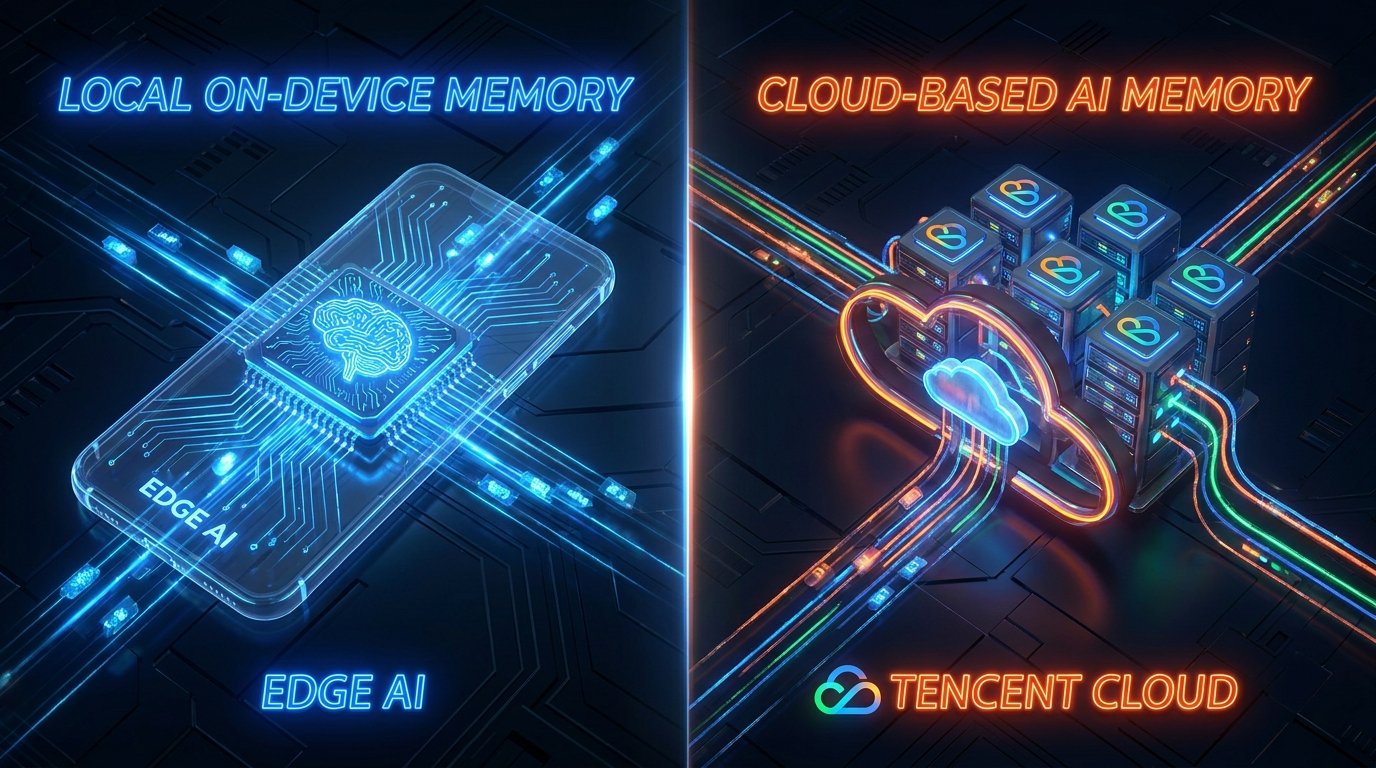
- Hy-Memory-style systems point to a server-side memory layer for agents, while local agent memory keeps useful context on the phone itself.
- Searches such as hy-memory server status or hy_memory_daemon.sh usually show operational intent: users want to know whether an agent memory service is running, reachable, and safe to rely on.
- For Android phone agents, local memory is often the safer default because private phone context can stay visible, controlled, and closer to the actions FoneClaw performs.
Quick Answer
Hy-Memory is best understood as part of a broader move toward persistent agent memory: an AI system remembers context across tasks instead of starting from zero each time. The exact public information around “Hy-Memory” is limited, so this article avoids treating every rumor or daemon name as an official product detail. What matters for users is the design question: should agent memory live on a server, on the phone, or in a hybrid stack? agentic AI phone guide
For FoneClaw users, the practical answer is simple. Sensitive phone context should be local by default. A cloud memory layer can help with cross-device knowledge and large-scale retrieval, but an Android phone agent that opens apps, reads notifications, or changes settings should not depend on a remote memory service for every personal detail. agentic AI phone guide
What Hy-Memory Means for Agent Memory
Tencent and other platform companies are clearly investing in memory for agents. News around TencentDB Agent Memory and Hunyuan-style agent infrastructure shows the same industry direction: AI agents need a memory layer, not just a chat window. That memory may store user preferences, tool history, task state, or knowledge retrieved from documents.
A server-side memory system can be powerful. It can centralize context across products, scale to enterprise workloads, and use larger databases than a phone can comfortably manage. The tradeoff is that availability, network latency, access control, and privacy policies become part of the user experience.
Why People Search for hy_memory_daemon.sh or Server Status
When people look up phrases such as “hy-memory server status” or “hy_memory_daemon.sh,” they are usually trying to understand whether a memory service is running, reachable, and dependable. A daemon-style name normally points to a background process that stores state or provides memory to an agent. For everyday users, the practical question is not the script itself; it is whether their assistant can still remember useful context when a remote service slows down or fails.
That is exactly why phone-agent memory needs a transparent design. If the assistant cannot remember because a remote process is down, the user experiences it as a broken phone AI agent. A local-first design reduces that failure mode: common preferences, recent actions, and device-level context can remain available even when a cloud service is slow or unavailable.
What Local Agent Memory Does on a Phone
Local agent memory stores useful context directly on the device or in a local-first layer controlled by the phone AI agent. It can remember things like preferred apps, repeated workflows, notification patterns, and user-approved shortcuts. It should not mean uncontrolled surveillance. Good local memory is explicit, inspectable, and easy to reset.
For an Android agent such as FoneClaw, local memory is most valuable when it is connected to action. If you often ask the assistant to open a commuting app, summarize notifications, or adjust phone settings, the phone can learn the pattern without sending every private detail to a remote server. That keeps latency lower and makes the assistant feel more reliable during daily tasks.
Cloud Memory vs Local Memory
Cloud memory and local memory are not enemies. Cloud memory is useful for long documents, enterprise knowledge, account-wide history, and tasks that need a large model or shared database. Local memory is better for private phone context, offline reliability, fast device actions, and user-visible control. cloud vs local AI agent guide
The safest architecture is often hybrid: keep sensitive phone context local, send only necessary prompts or anonymized context to the cloud when the user chooses a cloud feature, and make memory controls easy to find. That is different from silently storing everything in a server-side profile. cloud vs local AI agent guide
What This Means for FoneClaw
FoneClaw is positioned as an Android AI agent that actually controls supported phone actions, not just a chatbot. That makes memory design more important. A phone agent should remember enough to reduce friction, but it should not turn private phone behavior into a black-box cloud profile.
The right takeaway from Hy-Memory-style news is not “cloud memory is bad.” It is that memory is becoming a core layer of agent products. FoneClaw’s advantage is to keep phone-control context close to the phone, make supported actions clear, and use cloud features only when they add value rather than as a requirement for basic phone control.
Reference: Tencent Cloud and public reporting around agent memory show why memory infrastructure is becoming important, but private phone-action context still needs local controls.