
Doubao Agent Phone and Nubia NaviX Ultra: What It Means
Why the Nubia and Doubao NaviX Ultra signal matters for consumer Agent phones, visible phone actions, memory, confirmation, and trust.
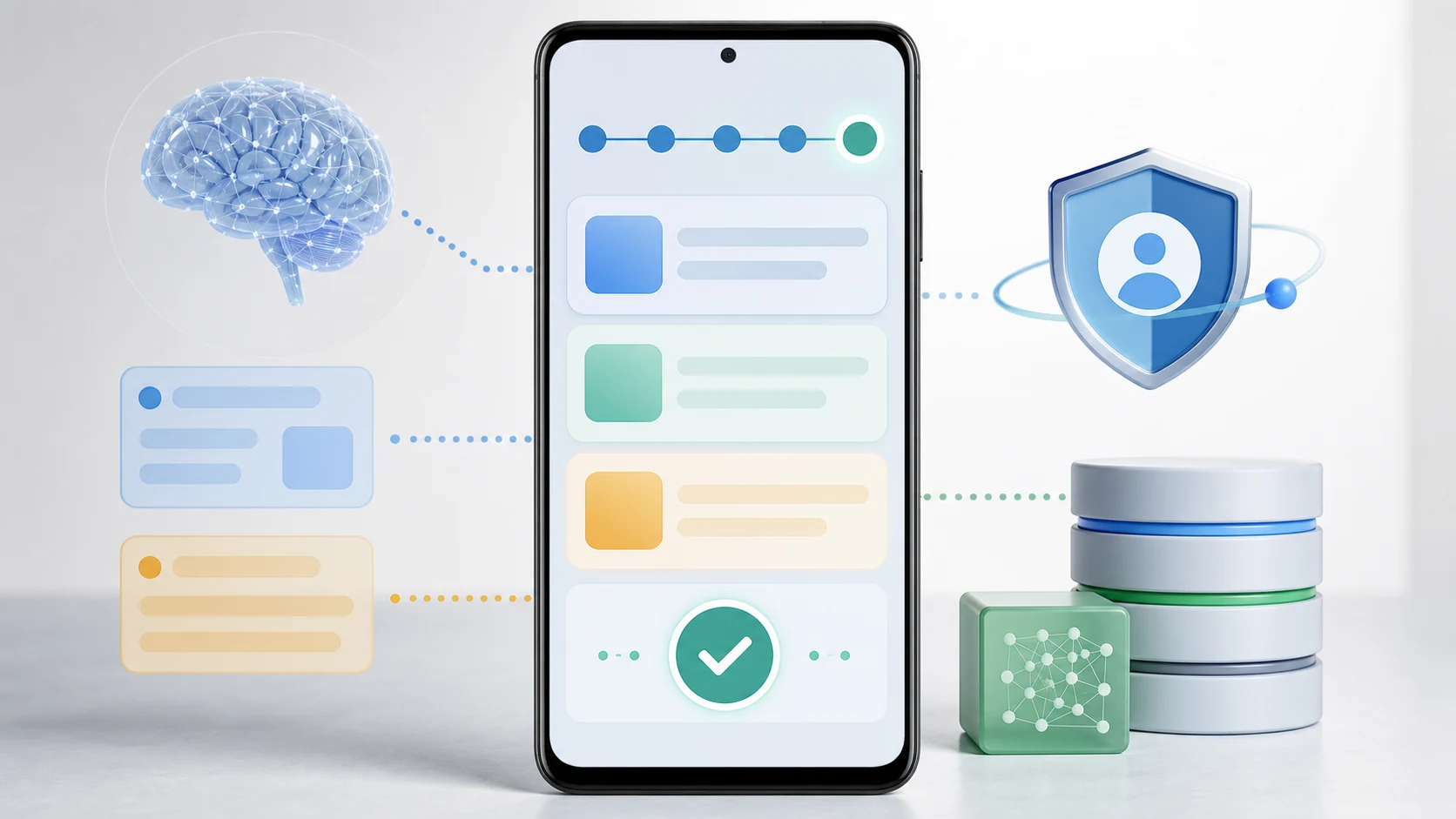
- Nubia and Doubao presenting the NaviX Ultra as a second-generation Doubao Agent Phone is important because it moves the idea of phone agents closer to consumer device workflows.
- The most meaningful signal is not a new hardware label, but the product direction around natural language, task completion, memory, visible status, and user confirmation.
- For everyday users, an Agent phone should be judged by how clearly it shows what it is doing, how it handles sensitive actions, and how useful its memory controls are.
- At FoneClaw, we read this market signal as support for our own focus: supported Android phone actions, visible results, confirmation where it matters, and practical recovery when a task needs user review.
Why NaviX Ultra Signals Consumer Phone-Agent Readiness
The Nubia NaviX Ultra matters because it gives the phone-agent category a concrete consumer signal. According to The Paper report on the Doubao second-generation Agent phone, Nubia and Doubao presented the Nubia NaviX Ultra at WAIC on July 17, 2026, describing it as a second-generation Doubao Agent phone. The report frames the device as a step beyond an earlier engineering sample and toward a broader consumer-facing product direction.
That shift is more important than the label. Many phones already include AI features such as photo editing, search, translation, note summaries, and voice assistance. An Agent phone raises a different expectation: can the phone understand a user’s natural request, move through a task, show what is happening, remember useful context, and pause for confirmation when the action is sensitive?
The same report describes four product-direction capabilities: understanding natural expression, completing assigned tasks, remembering user habits and notes, and treating safety as a foundation. For ordinary users, those are the real tests. A phone agent is useful when it can turn a messy human request into a visible phone workflow, then keep the user aware of what changed.
For readers who want the broader concept first, Agentic AI on Phone: What an Agentic Phone Can Do explains the general category. This article stays on the named market signal: Doubao Agent Phone, Nubia NaviX Ultra, and what this tells us about daily phone-agent control.
A separate National Business Daily note on Doubao phone filing and agent ecosystems reported that Nubia Doubao appeared in a mobile-side generative AI service filing list and connected the news to a broader agent-service ecosystem. That gives the NaviX Ultra signal a wider industry context: phone agents are becoming product and compliance conversations, not only lab demos.
What Changes When an AI Phone Becomes an Agent Phone
An AI phone feature usually helps inside a single step. It removes an object from a photo, summarizes a note, translates a sentence, or answers a question. An Agent phone promise goes further: the phone is expected to continue from intent to task progress. The gap between those two ideas is where trust, memory, app control, and confirmation become serious product issues.
The difference shows up in everyday language. A user may not say, ‘Open app A, tap this, filter that, save the file, then message this person.’ They may say, ‘Clean up my unread work messages and tell me which ones need my attention,’ or ‘Help me prepare for tomorrow’s trip.’ A phone agent has to break that into smaller actions, decide what it can do, show status, and ask the user to approve sensitive steps.
This is where the Doubao Agent Phone signal becomes useful beyond one product. The Paper report says the NaviX Ultra direction is meant to reduce repeated switching between functions and help the phone take on tasks that users would otherwise complete manually. That is the core shift: the phone is no longer only answering; it is preparing and carrying out visible steps.
At the same time, daily phone tasks are messy. Apps have their own permissions. Screens change. Contacts can sound similar. Payment, private data, messages, and location all deserve deliberate control. A credible agent-phone experience needs to be helpful without becoming opaque.
For the mechanics of moving from intent into phone behavior, AI Agent Phone Control: How Android Phone Agents Turn Intent Into Action is the closest FoneClaw companion page. The NaviX Ultra news reinforces why that path matters: phone-agent quality is measured by completed, visible, recoverable actions.
The Four Capabilities That Matter Most
The Paper report’s four-capability frame is a useful way to evaluate any consumer Agent phone. The first capability is understanding natural expression. That means the phone should accept everyday wording, corrections, and context instead of forcing users to memorize rigid commands. If someone says, ‘Remind me to follow up with the person from yesterday’s meeting,’ the phone needs enough context to prepare a useful next step.
The second is completing assigned tasks. This is the difference between a chatbot and a phone agent. Task completion may involve opening an app, gathering visible information, drafting a response, setting a reminder, organizing unread messages, or preparing a travel plan. The important part is that the phone shows the path, not only the final sentence.
The third is memory. The report mentions remembering user habits and notes, with memory shown in a global memory interface. For users, memory is valuable only when it is inspectable. A phone that remembers a preferred commute route, usual work apps, family contacts, or repeated note style can save time. The user also needs a simple place to see and adjust what the phone has retained.
The fourth is safety as a foundation. In practical language, that means the phone treats sensitive areas with extra care. Payment, private information, location, contacts, messages, cameras, and account changes should come with a visible review step. The Paper report says sensitive operations such as payment or private data require manual confirmation, which is exactly the kind of consumer trust design the category needs.
FoneClaw’s own work around personal context follows the same product lesson. Personal Context AI Agent for Phone Actions: What Matters explains why useful memory has to support clear actions, not become an invisible profile.
Why Visible Steps and Confirmation Build Trust
The most practical detail in the NaviX Ultra report is not the idea of an AI shortcut key or a wake phrase. It is visibility. The Paper report says users can inspect the AI’s execution process and detailed step logs through the status bar, while sensitive operations wait for manual confirmation. That is how phone agents become understandable.
When a phone agent acts, the user needs to know three things: what it is doing now, what it already changed, and what it wants to do next. Without that, even a correct result can feel risky. With it, the user can let the phone handle routine steps while staying ready to intervene.
Step visibility also helps when the agent misunderstands intent. A user might ask for ‘the latest note from the meeting’ and the phone may choose the wrong chat, notebook, or app. If the process is visible, the user can stop, correct, or redirect the action. If the process is hidden, the user has to guess what happened.
Manual confirmation belongs around sensitive actions because phone tasks are connected to real consequences. A draft message can affect a relationship. A payment affects money. A location share affects privacy. A contact edit affects future communication. Good agent design keeps those steps reviewable.
FoneClaw uses the same principle in our Android phone-action work. We want supported actions to be visible, understandable, and confirmable where the result affects another person, a private app, money, location, or stored memory. Routine tasks should feel quick. Sensitive tasks should feel deliberate.
This is also why the phone itself is becoming the natural control point for AI agents. Mobile Agent Control: Why the Phone Is Becoming the AI Agent Command Center goes deeper into that idea, while the Doubao and Nubia signal gives it a fresh consumer-device example.
What This Reinforces for FoneClaw
At FoneClaw, we read the Doubao Agent Phone and Nubia NaviX Ultra signal as validation of a simple product direction: phone agents succeed when they turn natural intent into supported phone actions with visible outcomes. The category is moving from isolated AI features toward workflows that help users complete real tasks.
Our own route is Android phone action. We focus on supported steps such as opening the right app, preparing a message draft, summarizing visible notifications, setting a reminder, organizing a small multi-step flow, checking screen-visible state, and asking for confirmation when the result matters. That is where an assistant becomes useful in daily life.
The NaviX Ultra news also reinforces the importance of memory controls. A user may want the phone to remember habits, names, preferred apps, and repeated tasks. That memory should support clear phone actions. It should also be easy to inspect, adjust, and correct. The report’s mention of a global memory interface is notable because memory becomes trustworthy when users can see it.
We also see confirmation as part of the experience, not a speed bump. A good phone agent should move fast through routine actions and slow down gracefully for payment, private data, outgoing messages, account changes, and other sensitive steps. That rhythm is what lets a user delegate more without losing awareness.
The broader Agent phone race will include different hardware, models, ecosystems, and user interfaces. For FoneClaw, the lesson stays grounded: supported Android actions, visible results, user approval where needed, and practical recovery when the phone needs clarification. That is the product bar that matters more than any single label.
Checklist for Evaluating Any Agent Phone
When evaluating a Doubao Agent Phone, NaviX Ultra-style device, or any phone-agent assistant, focus on the workflow rather than the slogan. The strongest question is not ‘Does it have AI?’ It is ‘Can it complete the phone tasks I actually need, while showing me what it is doing?’
- Natural language: Can you speak normally, correct the phone naturally, and avoid memorizing rigid commands?
- Task completion: Does the phone move from request to visible steps, or does it only answer with text?
- Supported actions: Which apps, phone functions, messages, reminders, and settings can it handle in practice?
- Status visibility: Can you see the current step, completed steps, and the next requested action?
- Confirmation: Do payments, private data, outgoing messages, location, and account changes pause for review?
- Memory controls: Can you inspect, correct, and remove remembered habits, notes, places, or preferences?
- Recovery: When the phone misunderstands, can you stop, revise, or continue from the right point?
- Daily value: Does it help with real tasks such as unread messages, meetings, navigation, reminders, travel, and family logistics?
The Doubao Agent Phone signal matters because it brings these questions closer to ordinary buyers. A consumer-facing Agent phone is not only about model intelligence. It is about how intelligence appears on the phone: visible steps, useful memory, careful confirmation, and actions that fit daily life.
That is also the FoneClaw product view. We build for the moment after the user states intent: the phone-side path that opens, drafts, summarizes, reminds, checks, confirms, and recovers. When the market starts evaluating Agent phones by those standards, users benefit.