
FoneClaw OS Roadmap: Android Phone Agent, Meydo C1 System App, and Future AOSP Agent OS
FoneClaw's roadmap starts with the current Android phone agent, adds Meydo C1 as a system-app preinstallation milestone, and continues toward an AOSP-based FoneClaw Agent OS and future FoneClaw phone.
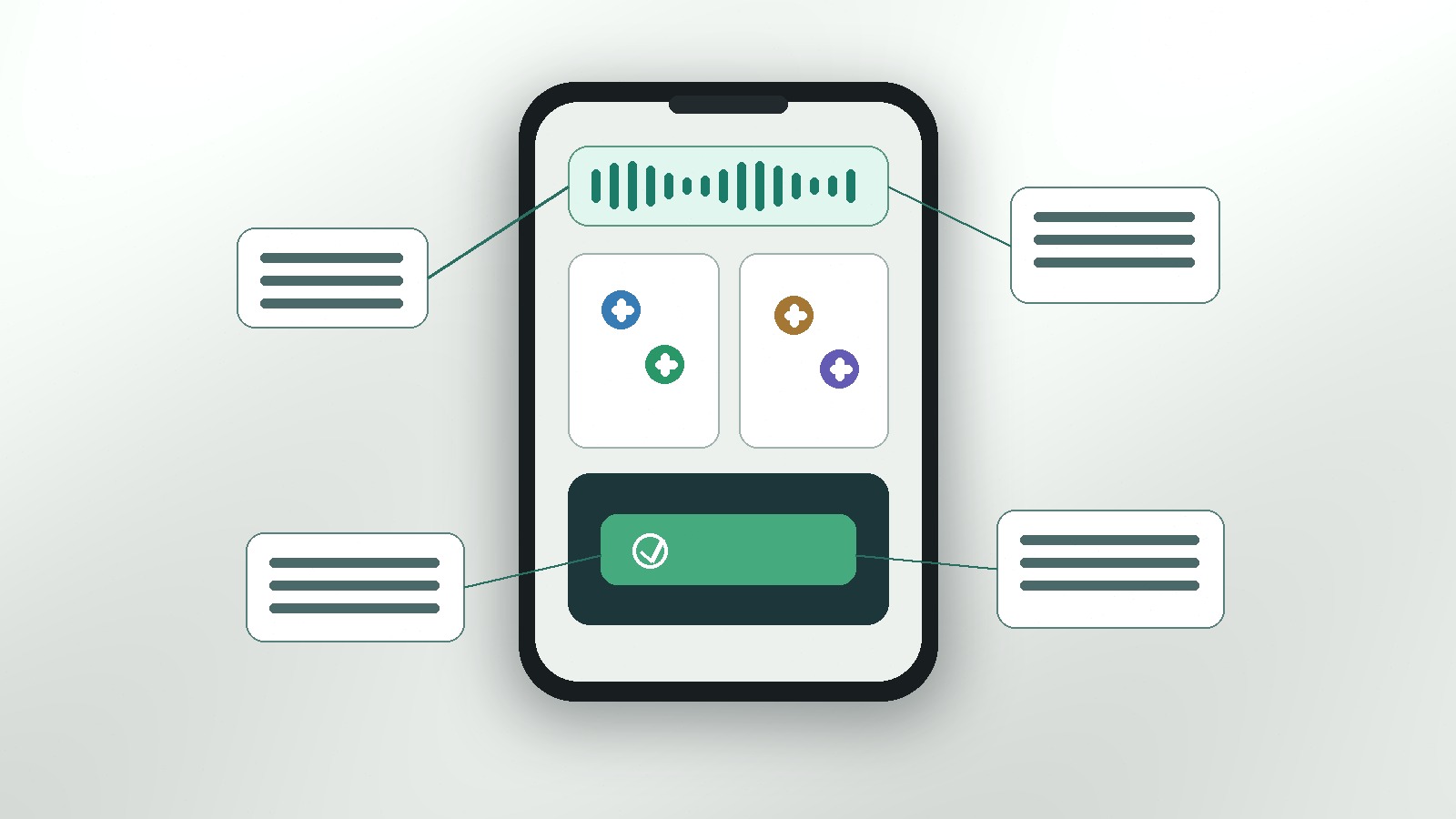
- FoneClaw currently ships as an Android phone agent with supported Android actions, 100+ built-in tools, visible progress, approvals, stopping, retry, permission recovery, Information Inbox, Memo, and Plus improvements.
- Meydo C1 is a distribution and integration milestone: Meydo C1 is Meydo hardware, DroiClaw is the main system, and FoneClaw is preinstalled as a system application.
- The long-term roadmap remains an AOSP-based FoneClaw Agent OS and future FoneClaw phone organized around a voice-first on-device personal agent, Agent Plugins, scoped context, and recoverable execution.
- Readers can use FoneClaw on supported Android phones today or evaluate Meydo C1 as a compact dedicated route while treating the future Agent OS as a roadmap, not a shipped operating system.
What FoneClaw Is Today
FoneClaw today is an Android phone agent. That is the current released baseline we are building from: a configured model interprets the user's request, and FoneClaw carries supported Android work through visible, permission-aware tools. The product already focuses on the parts that make phone agents useful in daily life: current context where the user provides it, supported actions, progress visibility, approval points, stopping, retry, permission recovery, and results the user can inspect.
The important present-tense answer is direct. FoneClaw currently provides the Android phone-agent runtime that lets users test real supported tasks now and gives us the live product baseline for roadmap decisions. The AOSP-based FoneClaw Agent OS is the separate long-term direction described in this roadmap. The current product surface includes 100+ built-in tools across supported Android workflows, plus improvements around Information Inbox, Memo management, Plus membership, UI clarity, long replies, and reliability. Those user-facing improvements matter because an agent OS is built from the repeated work of making intent, context, permission, action, and recovery dependable.
From our builder perspective, the hardest lessons come from the current Android product. A phone task often begins simply, then runs into screen state, missing permissions, active accounts, app support, model routing, connectivity, and user review. FoneClaw's job today is to make that path visible instead of pretending every instruction can become an invisible autonomous action.
For readers who want the current model-to-tool mechanics before the roadmap, AI Agent Phone Control on Android: Intent, Confirmation, Action explains how intent becomes a supported Android action with confirmation and result checks.
The Meydo C1 Preinstallation Milestone
The current Meydo C1 milestone should be stated precisely: Meydo C1 is Meydo hardware, DroiClaw is the main system, and FoneClaw is preinstalled as a system application. This is a distribution and integration milestone for FoneClaw, not the launch of FoneClaw OS and not the delivery of our future AOSP Agent OS.
Meydo presents C1 as a pocket AI phone, and Meydo's current DroiClaw material identifies DroiClaw as the operating-system foundation for that device direction. Inside this architecture, FoneClaw has a preinstalled system-application role. That placement can reduce setup friction and give users a more immediate path into supported FoneClaw workflows on the device, while still keeping the software layers clear: hardware, main system, and system application are different product states.
That distinction matters for trust. A preinstalled system application can feel closer to the device than an app added later, but it still works through actual accounts, connectivity, permissions, model configuration, supported services, and reviewable actions. Preinstallation does not turn every DroiClaw feature into a FoneClaw feature, and it does not make every app action available. The useful milestone is practical: FoneClaw reaches a dedicated compact AI-phone environment as a built-in app surface while our long-term OS roadmap remains separate.
For device-specific facts, specifications, preorder checks, and the three-layer C1 architecture, Meydo C1 AI Agent Phone: Hardware, DroiClaw, FoneClaw App, Specs, and Preorder Checks is the canonical product guide. Readers who want the broader category definition can use Agentic AI Phone Meaning: Context, Actions, Controls, and FoneClaw to separate AI-device branding from real context, action, and control behavior.
What System-App Deployment Teaches Us
System-app deployment teaches us where integration helps and where engineering discipline still matters. Deeper distribution can reduce friction: the user may discover the agent sooner, start tasks with fewer setup steps, and reach supported workflows more naturally. On a compact AI device, that can make a meaningful difference because the experience depends on quick invocation, short review loops, and minimal screen friction.
But deployment depth is not the same as unlimited control. The same product problems remain: identity, permissions, approvals, recovery, model routing, service availability, source context, and result evidence. If the user asks for a reminder, the system needs the right time and storage path. If the user asks for a message draft, the recipient and content need review. If the user asks for a setting change, the device state and required permission have to be clear. If the user asks for a cross-app task, the supported path decides whether FoneClaw can complete it, hand off, ask for recovery, or stop.
These lessons feed the roadmap directly. We want deeper integration because it can make the agent more reachable and more consistent. We also keep approvals, isolation, and recovery visible because closer integration increases the importance of user control. A system app that cannot explain its permissions or show its results is not a better agent; it is just more deeply placed.
That is why our roadmap treats identity, permission state, approval records, and recovery as architecture, not polish. AI Agent Sandbox vs Phone Permissions: Why Secure Agents Still Need Boundaries explains why even secure agents still need explicit phone boundaries. The same logic applies to system-app deployment: integration is valuable when it makes supported workflows easier to use while keeping the user in charge of consequential steps.
The Future AOSP Agent OS Direction
Our long-term destination remains an AOSP-based FoneClaw Agent OS and future FoneClaw phone. That future system is organized around a voice-first on-device personal agent: voice expresses intent, physical controls support fast invocation and interruption, and the screen shows evidence, choices, approvals, results, and recovery. The current Android agent and the Meydo C1 system-app milestone both inform that direction, but they do not complete it.
We choose AOSP as the future foundation because an agent phone still needs Android-compatible hardware support, permissions, device services, app compatibility, and system-level control surfaces. The differentiating layer is the agent-centered operating model we are building above it. In that model, the personal agent owns task state, user preferences, scoped memory, current context, plugin selection, and governed execution. Apps and services remain useful, but the agent becomes the coordinator around the user's intent.
Agent Plugins are central to that future. Traditional apps make the user open a destination and operate its interface. Agent Plugins expose scoped service capabilities that the personal agent can compose for a task: declared inputs, outputs, permission needs, approval behavior, failure modes, versioning, and trust identity. A plugin can help with a file, message, calendar item, travel step, note, or professional service, while the agent keeps the important state visible to the user.
The future system must preserve visible approvals, isolation, stop controls, and recovery. It should not replace app friction with hidden agent authority. When the task is sensitive, the user should see the target and approve the step. When access is missing, the system should explain and recover. When a plugin fails, the result should be inspectable. The OS Agent Foundation a Practical Phone AI Agent Needs in 2026 lays out the layered architecture behind that direction.
Roadmap Stages We Can Verify
The roadmap is easiest to measure as stages rather than labels. Stage one is the current Android phone agent: FoneClaw runs on supported Android phones and connects model reasoning to governed Android actions. Stage two is preinstalled system-application distribution, represented by the Meydo C1 milestone: FoneClaw is present on a dedicated compact AI phone as a built-in app surface while DroiClaw remains the main system. Stage three is deeper platform integration, where invocation, context, permissions, recovery, and service contracts become more native. Stage four is the future AOSP-based FoneClaw Agent OS and FoneClaw phone direction.
Each stage should be judged by user-visible capability, not by branding. Can the user invoke the agent quickly? Can the agent attach the right context? Does it request permissions at the right time? Does the user approve consequential steps? Can the task stop cleanly? Does the result show what changed? Can the product recover when the app, account, network, or permission state blocks the path?
The distinction between current Android app route, preinstalled system application, deeper platform integration, and future operating system helps readers avoid false certainty. A marketing label can sound complete before the product has the necessary controls. A system-app milestone can be meaningful without being an OS launch. A future hardware direction can guide architecture without setting a public launch date.
| Stage | What exists or is being pursued | How to evaluate it |
|---|---|---|
| Android phone agent | FoneClaw on supported Android phones. | Supported tools, permissions, approvals, progress, result evidence, and recovery. |
| Preinstalled system app | FoneClaw preinstalled as a system application on Meydo C1. | Setup friction, invocation, supported workflows, permission behavior, and live device experience. |
| Deeper platform integration | More native context, task state, policies, and service contracts. | Faster access, clearer boundaries, stronger recovery, and better task continuity. |
| Future Agent OS and phone | AOSP-based FoneClaw Agent OS and future FoneClaw hardware direction. | Released product evidence, system controls, plugin governance, personal context ownership, and user trust. |
For readers comparing dedicated AI hardware with using an agent on an existing phone, AI Phone vs Smartphone: AI Devices, Wearables, and Android Phone Agents Compared helps separate device category, portability, screen size, battery, and workflow fit.
Choose a Current Path Today
Users do not need to wait for the full roadmap to test the product direction. The current path is FoneClaw on supported Android phones. That route lets users evaluate governed Android actions today: screen or image context where applicable, Information Inbox, Memo workflows, calendar and communication tasks, settings and device status checks, visible progress, approvals, stopping, retry, and permission recovery. The current app route is where we continue to learn from everyday Android work.
The Meydo C1 route is different. It offers a dedicated compact hardware path with FoneClaw preinstalled as a system application and DroiClaw as the main system. That may appeal to users who want a pocket AI device rather than relying only on their existing smartphone. C1 is also a preorder product, so readers should verify live product details, region, shipping, duties, included items, services, account setup, and permissions before treating it as the right path.
The future route is the AOSP-based FoneClaw Agent OS and FoneClaw phone. That remains the destination: a voice-first personal agent, scoped Agent Plugins, user-owned context, visible approvals, reliable interruption, and recoverable execution. We will keep the present and future grammatically distinct because roadmap clarity helps users make better decisions today.
For the current Android route, use the live FoneClaw Download page to choose the available distribution for your device. For the dedicated compact-device route, the canonical Meydo C1 article linked above carries the current product and preorder checks. The practical decision is simple: use FoneClaw now where supported, evaluate Meydo C1 if dedicated hardware fits your workflow, and follow the Agent OS roadmap as the direction we are building toward.
Sources: This update uses the pinned current FoneClaw roadmap article, Meydo C1 official product information, Meydo's DroiClaw article, and FoneClaw's current public Features and Download pages.